
Lawn
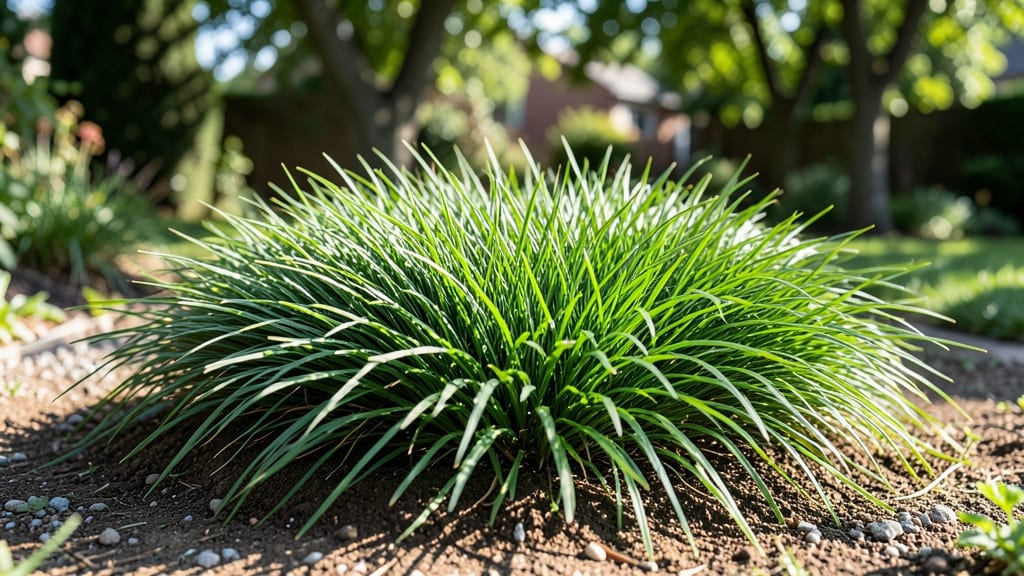
Fertilizing your lawn at the right time is the difference between a lush, green carpet and a patchy, struggling yard 🌱 — and getting it wrong can even invite pests or waste your money.
Struggling to decide when to fertilize your lawn? Timing is everything—apply too early or late, and you could waste money, harm grass health, or even attract pests.
This guide breaks down the perfect fertilization schedule based on your soil type, climate zone, and grass variety to maximize growth and minimize stress.
Most homeowners think spring is the only time to fertilize, but the truth is, your lawn’s needs shift with the seasons. Cool-season grasses like fescue thrive with a spring feed and a fall boost, while warm-season grasses like Bermuda prefer late spring and summer.
Climate plays a role too—southern lawns may need adjustments to avoid summer stress.
Below, I’ll walk you through the exact windows for spring, summer, and fall fertilization, how to read your soil’s signals, and the one mistake that ruins even the best-laid plans. Ready to turn your lawn into the envy of the neighborhood?
Best times to fertilize lawn by season and climate zone
Timing your lawn fertilization isn't just about the calendar—it's about understanding your climate zone and how your grass type responds to temperature shifts. In cold climates (USDA Zones 3-5), grass grows slowly in spring, while warm climates (Zones 8-10) see peak growth in late summer.
Even temperate zones (6-7) have sweet spots for fertilization that avoid waste or stress. The key is aligning applications with root growth periods when soil temps are ideal (55-75°F for cool-season grasses, 75-85°F for warm-season).
Most gardeners focus on spring and fall as prime fertilization windows, but your local weather patterns can shift these timelines by weeks. For example, northern lawns might delay spring feeding until after the last frost (typically mid-April), while southern lawns can fertilize as early as February.
Summer applications are riskier—unless you're in a humid subtropical zone where grass stays active year-round. Always check soil moisture before applying: dry soil locks out nutrients, while soggy soil causes runoff.
🌱 PRO TIP: Use a soil thermometer to confirm temps before fertilizing. Cool-season grasses need soil at 55-65°F, while warm-season varieties thrive at 75-85°F. This small step prevents wasted fertilizer and nutrient burn.
In cold climates, your early spring fertilization (March-April) jumpstarts growth after winter dormancy. Aim for a high-nitrogen fertilizer (24-0-5) when soil temps hit 55°F—this encourages leafy growth before summer heat arrives. Northern gardeners often split this into two light applications: one post-frost and another in early May.
For warm-season grasses in the South, hold off until soil temps exceed 70°F—typically late April or May—to avoid shocking tender roots.
Summer fertilization is a high-risk, high-reward move. In humid subtropical zones (like Florida or Louisiana), a light summer feed in July can sustain growth, but most regions should skip it entirely.
If you do fertilize in summer, use a slow-release formula and water deeply afterward to prevent nutrient burn. Drought-stressed lawns are especially vulnerable—fertilizer can accelerate moisture loss, turning your grass brown. Always check for wilting before applying.
Fall is the golden window for lawn care, especially in temperate zones. A late-summer/early-fall application (September-October) strengthens roots before winter. Cool-season grasses like fescue and ryegrass thrive with this timing, while warm-season types like St. Augustine benefit from a low-nitrogen feed (10-0-10) in late August.
Pro tip: Mow slightly shorter before fertilizing to enhance absorption.
Winter fertilization is a common myth that can backfire. Grass goes dormant below 50°F, and fertilizer won't
How soil type and grass variety affect fertilization timing
Your soil type and grass variety play critical roles in determining the best fertilization schedule. Different soils absorb nutrients at varying rates, while grass types have unique growth cycles. For example, clay soil holds moisture and nutrients longer, while sandy soil drains quickly, requiring more frequent feeding.
Meanwhile, cool-season grasses like fescue thrive in spring and fall, while warm-season grasses like Bermuda peak in late spring and summer.
Understanding these factors helps you avoid over-fertilizing (which can burn roots) or under-fertilizing (leading to weak growth). For instance, acidic soils may need lime adjustments before fertilizing, while loamy soil—the gold standard—balances nutrients perfectly.
Let’s break down the ideal fertilization timing for each combination to keep your lawn lush and healthy year-round.
📌 Comparison Table: Adjust fertilization timing based on your soil type and grass variety for optimal results.
| Soil Type | Grass Type | Best Fertilization Time | Frequency | Key Notes |
|---|---|---|---|---|
| Clay | Cool-Season (Fescue, Ryegrass) | Early spring & late fall | Every 8-10 weeks | Slow-release fertilizer; test pH (aim for 6.0-7.0) |
| Sandy | Cool-Season (Fescue, Ryegrass) | Early spring & mid-fall | Every 6-8 weeks | Use organic matter; nutrients wash out fast |
| Loamy | Cool-Season (Fescue, Ryegrass) | Late spring & early fall | Every 7-9 weeks | Ideal for balanced fertilization; minimal adjustments |
| Acidic | Cool-Season (Fescue, Ryegrass) | Early spring (after liming) | Every 8-10 weeks | Add lime 2-3 months before fertilizing |
| Clay | Warm-Season (Bermuda, Zoysia) | Late spring & early summer | Every 6-8 weeks | Avoid fertilizing in drought; water deeply post-application |
| Sandy | Warm-Season (Bermuda, Zoysia) | Early summer & late summer | Every 5-6 weeks | Use slow-release fertilizer to prevent leaching |
For cool-season grasses like fescue or ryegrass, focus on early spring and late fall fertilization. These grasses grow actively during cooler months, so applying fertilizer then encourages strong root development before winter dormancy.
In contrast, warm-season grasses like Bermuda or Zoysia thrive in late spring and summer, making those the ideal times to feed them.
If you have clay soil, fertilize in early spring and late fall to align with moisture availability. Sandy soil, however, drains quickly, so split applications every 6-8 weeks during the growing season are best.
For loamy soil, a balanced approach works—fertilize every 7-9 weeks without overdoing it, as this soil type retains nutrients well.
Always test your soil before fertilizing to check pH levels and nutrient deficiencies. For acidic soils, consider adding lime 2-3 months before fertilizing to create the right environment for nutrient absorption. Adjusting your schedule based on these factors ensures your lawn gets the nutrients