
Lawn
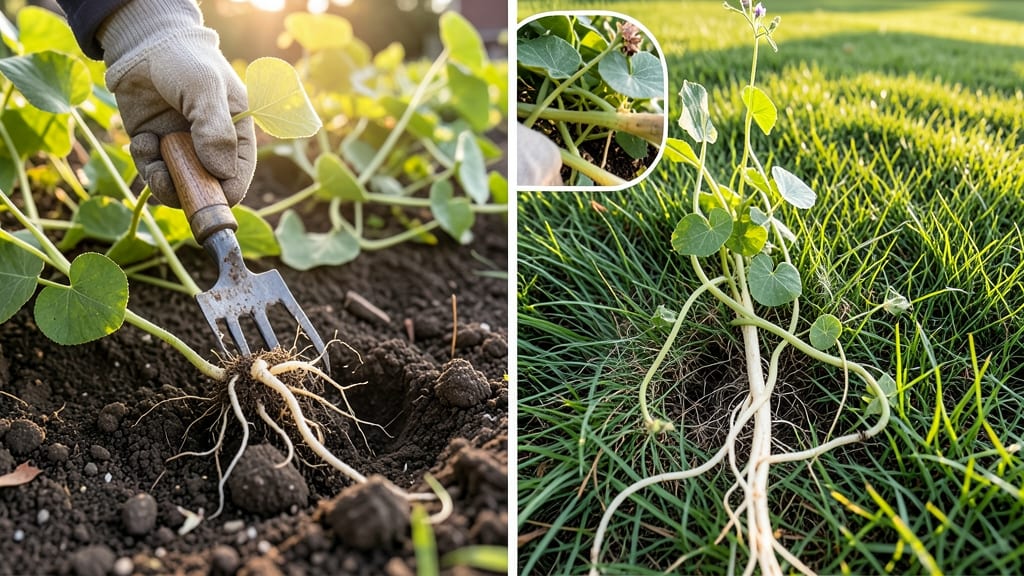
Bindweed in lawns is the gardener’s worst nightmare—those silvery-green vines choke grass roots while leaving you with a backache from digging. 🌱 I’ve wrestled with it for years, and I’ll show you how to remove it without destroying your lawn or your back, using methods that actually work.
The first step is identifying it correctly—bindweed has heart-shaped leaves and grows in a clockwise spiral, unlike morning glories (which go counterclockwise). Once you spot it, smothering with thick cardboard or landscape fabric for 6-8 weeks starves the roots naturally.
For stubborn patches, a targeted vine pull in early spring or fall—when soil is moist—gives you the best grip without ripping up grass.
You’ll see progress within 2-3 months of consistent effort, with fewer vines popping up each season.
The key is persistence: bindweed’s roots can live 20+ feet deep, but you can weaken them over time with repeated smothering or a spot treatment of vinegar (50% water, 50% vinegar) applied on a dry, windless day.
Prevention is all about healthy grass—thick, competitive turf leaves no room for bindweed to take hold. Overseed bare spots, water deeply but infrequently, and mow high (3-4 inches) to shade out weeds. It’s a marathon, not a sprint, but your lawn will thank you.
How Lawn Conditions Invite Bindweed
Bindweed (Convolvulus arvensis) isn’t just a pesky weed—it’s a perennial survivor that thrives in conditions your lawn might unintentionally create. Understanding why it takes root helps you disrupt its lifecycle before it spreads. Here’s why your lawn might be a bindweed buffet:
Bindweed spreads via rhizomes—thick, creeping roots that can lie dormant in soil for decades. Even small disruptions to your lawn’s surface trigger its growth:
- Construction or aeration: Digging, tilling, or aerating exposes dormant rhizomes, giving them a chance to sprout. Pro tip: If you’re renovating, test soil for bindweed first—even a tiny fragment can regenerate.
- Poor drainage: Bindweed loves moist, compacted soil. Waterlogged areas create the ideal environment for its roots to expand aggressively. 🔗 Check your lawn’s drainage to starve it out.
- Thin or patchy grass: Bare spots mean less competition for sunlight and nutrients. Bindweed’s vines can smother weak grass, turning your lawn into a bindweed highway.
Bindweed is a water hog. Unlike shallow-rooted grasses, it sends roots 6–10 feet deep to access moisture. Here’s how your watering habits might help it:
- Frequent, shallow watering: Encourages bindweed to grow more top growth (the pretty but invasive vines) while its roots stay hidden. Solution: Water deeply but infrequently (1–1.5 inches per week) to stress the weed.
- Sprinklers that overspray: If water lands on sidewalks or driveways, it can wash bindweed seeds back into your lawn—especially if those areas have bindweed growing nearby.
- Automatic sprinklers running on a schedule: Bindweed doesn’t follow your watering routine—it grows when soil is moist. Adjust timers to avoid consistent dampness.
Bindweed is a nutrient opportunist. It thrives in lawns where:
| Lawn Condition | How It Helps Bindweed | Fix It With |
|---|---|---|
| High nitrogen (from fertilizers) | Boosts leafy growth, but bindweed outcompetes grass for sunlight. | Use slow-release, balanced fertilizers (e.g., 16-4-8) and avoid over-fertilizing. |
| Low phosphorus (common in sandy soils) | Bindweed’s roots seek out phosphorus in deeper soil layers, making it harder to kill. | Test soil and amend with compost or bone meal (use sparingly). |
| Weedy, unkempt lawns | Bindweed spreads faster where other weeds (like crabgrass) already dominate. | Thicken grass with seed mixes and pre-emergent herbicides in early spring. |
Bindweed doesn’t just grow—it conquers. Even if your lawn is pristine, these factors can introduce it:
- Wind or animal transport: Seeds hitch rides on birds, deer, or even mower blades, landing in your yard from neighboring properties.
- Contaminated soil or mulch: Some garden centers sell bulk soil or compost that’s bindweed-free, but others don’t. Ask questions!
- Shared equipment: Renting a tiller or borrowing a lawnmower from a friend could transfer rhizome fragments to your yard.
Action step: Inspect new plants, soil amendments, or borrowed tools for bindweed before they enter your lawn.
Tackle the Creeping Invader
If bindweed has taken root in your lawn, don’t panic—this persistent perennial can be managed with the right approach. The key is to combine mechanical removal, chemical control (when necessary), and preventive measures to keep it from staging a comeback.
Below, we break down the best methods based on the root cause of your bindweed problem, from early-stage infestations to stubborn, deep-rooted patches.
Cause: Thin infestation, young plants, or bindweed just starting to spread. Fix: Bindweed is easiest to remove when it’s young and hasn’t established a deep root system. Here’s how to tackle it before it becomes a full-blown lawn menace:
🔥 Step 1: Identify & Weaken the Plants
- Morning is best: Bindweed’s stems are most flexible when cool, making them easier to pull.
Wait until the soil is slightly damp (after rain or watering) for better grip. - Look for the "heart-shaped leaves": Bindweed has distinctive arrowhead-shaped leaves and twining vines. Focus on these to avoid mistaking them for clover or other weeds.
🍳 Step 2: Pull by Hand (The Right Way)
- Grab the base: Use gloves (bindweed sap can irritate skin) and grasp the plant as close to the ground as possible.
- Twist and tug: Apply steady pressure while twisting the stem to loosen the roots. Do not break the vine—this can regrow into multiple plants!
- Check for root fragments: Even a small piece left in the soil can sprout.
Rinse roots in water to confirm no pieces remain.
👨🍳 Step 3: Smother Remaining Areas
- Cardboard or thick mulch: Cover the pulled area with wet cardboard or landscape fabric to block sunlight.
Leave it for 4–6 weeks to kill any missed roots or seeds. - Solarization (for stubborn spots): Lay clear plastic sheeting over the area in hot sun for 4–6 weeks. The trapped heat will cook remaining roots.
💡 Pro Tip:
> Label your work area! Bindweed can resprout from tiny fragments, so mark treated spots with flags or stakes to avoid retreading the same ground.
Cause: Mature bindweed with deep roots, widespread vines, or regrowth after previous attempts. Fix: When bindweed has spread aggressively, manual pulling alone won’t cut it. A two-pronged approach—cutting vines to starve the roots and targeted herbicide—works best.
⏰ Step 1: Cut Vines to Deplete Root Energy
- Timing matters: Perform this in late summer or early fall when bindweed stores energy in its roots for winter.
Cutting vines now weakens the plant before it can recover. - Use pruners or scissors: Trim vines at ground level every 1–2 weeks for 3–4 months. This exhausts the root system’s energy reserves. - Bag the clippings: Do not leave cuttings on the lawn—they can regrow!
🔪 Step 2: Apply Herbicide (Strategically)
- Glyphosate (for non-organic lawns): Spray only the bindweed leaves (not your grass) with a non-selective herbicide like glyphosate. Wait 24–48 hours, then cut the treated vines at the base.
This ensures the chemical is absorbed before disposal. - Vinegar + soap (organic option): Mix 1 gallon of vinegar, 1 cup dish soap, and 1 oz. horticultural oil in a spray bottle. Apply directly to leaves on a sunny day (avoids burning your grass).
Reapply every 3–5 days until vines die. - Pre-emergent herbicide (prevention): After removal, apply a grass-safe pre-emergent in early spring to prevent bindweed seeds from germinating.
🎯 Step 3: Repeat & Monitor
- First year: You may see 80–90% reduction in vines, but roots can linger. Keep cutting and treating for 2–3 seasons to fully eradicate.
- Watch for regrowth: New shoots may appear in spring. Pull these immediately—they’re easier to remove when small.
The best defense is a strong, healthy lawn that crowds out bindweed before it takes hold. Here’s how to fortify your turf:
🌿 Strengthen Your Grass
- Mow high (3–4 inches): Taller grass shades the soil, preventing bindweed seeds from germinating.
- Aerate annually: Compacted soil gives bindweed an advantage.
Aerate in early fall to improve grass root growth. - Fertilize properly: Use a slow-release, nitrogen-rich fertilizer in spring and fall to keep grass competitive.
🚫 Block Light & Seeds
- Mulch garden beds: Use 3–4 inches of wood chips or straw to smother any bindweed seeds trying to sprout.
- Remove nearby plants: Bindweed often spreads from gardens or flower beds. Inspect borders and pull any vines before they reach your lawn.
🔍 Stay Vigilant
- Inspect weekly: Check for new bindweed shoots, especially after rain or mowing.
- Clean equipment: Wash mowers, rakes, and tools with soapy water to avoid spreading seeds to uninfested areas.
Final Note: Bindweed is a marathon, not a sprint. Consistency is key—whether you’re pulling, cutting, or treating, stay on top of it before it regroups. With patience and persistence, you’ll reclaim your lawn without the backache!
Frequently asked questions
How can I tell if those vines are bindweed and not morning glories?
Bindweed has heart-shaped leaves that grow in a clockwise spiral around its stem, while morning glories twist counterclockwise. Bindweed also produces small white or pink flowers that open in the morning, similar to morning glories—but its vines are thicker and more aggressive, often smothering grass completely.
Will vinegar really kill bindweed without harming my grass?
Only if applied precisely! Mix 1 part white vinegar + 1 part water + 1 teaspoon dish soap and spray directly on bindweed leaves on a sunny day. Avoid grass—vinegar’s acidity can burn it. For best results, reapply every 3-5 days until vines turn brown. Test a small patch first!
How long does it really take to eliminate bindweed from a lawn?
Most homeowners see 50-70% reduction in the first year with consistent treatment, but full eradication can take 2-4 years. The key is persistence—bindweed’s roots can live 20+ feet deep, so combine vine cutting, smothering, and herbicide (if needed) for best results. Think marathon, not sprint!
Can I still use my lawn after treating bindweed with herbicide?
Yes, but wait 48 hours after application before walking on treated areas. For pets/kids, wait 72 hours or until the herbicide is dry. Always follow product instructions—glyphosate-based treatments are safe once fully absorbed, but avoid contact with skin or eyes during application.
What's the best time of year to tackle bindweed?
Early spring (when new shoots emerge) and late summer/fall (when roots store energy) are ideal. In spring, pull young plants when soil is moist. In fall, cut vines at ground level to starve roots before winter. Avoid treating during extreme heat or drought—stressed plants may regrow more aggressively.