
Lawn
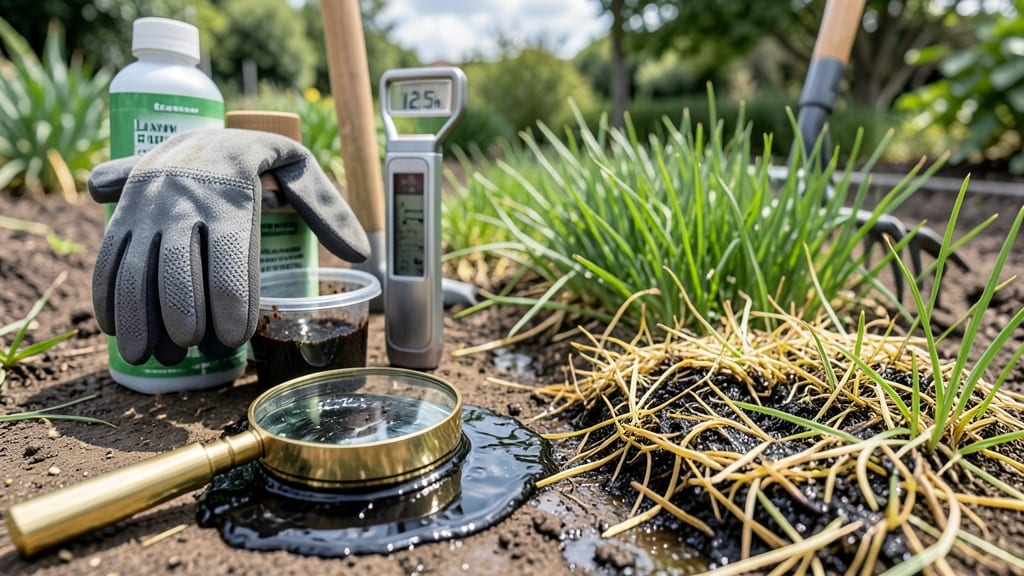
Black slime on your lawn isn’t just unsightly—it’s a sign your grass is under attack. 🌱 Whether it’s slime mold, algae, or organic gunk, this gunky mess can spread fast if you don’t act. The good news?
A simple oxygen bleach fix can dissolve it in just 15 minutes without harming your grass. The slime often appears after heavy rain, shade buildup, or poor drainage, creating the perfect damp, dark environment for fungi and algae to thrive. If ignored, it weakens your lawn’s roots and invites pests.
But don’t panic—this isn’t permanent damage, just a quick cleanup away. With the right spray solution, you’ll see the slime disappear almost instantly, leaving behind a fresh, green lawn. The key is acting fast and preventing future buildup with better airflow and sunlight.
Let’s get that lawn back to looking its best!
Most people assume black slime means their lawn is doomed, but it’s usually just a surface issue. Slime mold, for example, spreads like ink when wet but vanishes with the right treatment.
Algae thrives in shady, damp spots, while organic buildup comes from fallen leaves or pet waste left too long. The oxygen bleach method is safe, fast, and won’t leave chemical residue. You’ll need a spray bottle, a little bleach, and some elbow grease—but trust me, it works.
Once the slime is gone, focus on improving drainage and sunlight exposure to keep it from coming back.
After treatment, your lawn should look lush and healthy within hours. The slime won’t return if you address the root cause—literally. Water less frequently, rake up debris, and consider aerating compacted soil. If the problem persists, it might be time to test your soil or call a pro.
Root Causes of Dark Sticky Lawn Stains
If your lawn looks like it’s been hit by an oil spill—with thick, black, slimy patches—don’t panic. This unsightly mess is usually the result of a few key factors, often tied to organic decay, fungal activity, or environmental conditions.
Understanding why it happens is the first step to fixing it fast. Below, we break down the most common culprits and the science behind them.
Fungi thrive in moist, shaded, or nutrient-rich environments, and your lawn is basically their all-you-can-eat buffet. The black slime you’re seeing is often slime mold (like Fuligo septica or Arcyria denudata) or sooty mold, which feeds on decaying organic matter—think fallen leaves, thatch, or even pet waste.
These organisms produce sticky spores that coalesce into slimy, dark masses.
- Why it spreads: Warm, humid weather (60–80°F) with high humidity creates the perfect fungal party. Overwatering or poor drainage keeps the soil soggy, giving fungi a permanent home.
- Red flags: Slimy patches that appear after rain, in shaded areas, or near leaf litter. The slime may glow faintly under UV light (yes, really—try a blacklight test!).
- Actionable tip: Rake up thick thatch or debris to remove the food source. Fungi hate sunlight—thin out dense grass or prune overhanging branches to improve airflow.
Algae aren’t plants—they’re microscopic, photosynthetic organisms that multiply like rabbits when conditions are right. While most algae are green or brown, certain types (like black algae or cyanobacteria) produce dark, slimy colonies that cling to grass blades.
These thrive in compacted soil with excess nitrogen (from fertilizers or pet urine) and stagnant water.
- Why it sticks around: Algae need moisture to survive, so low-lying areas, irrigation overspray, or poor drainage turn your lawn into a petri dish. Compacted soil traps water, creating the perfect algae spa.
- Red flags: Slimy patches that feel slippery, often near sidewalks, driveways, or heavily trafficked areas. Unlike fungi, algae usually spreads in a more uniform, sheet-like layer.
- Actionable tip: Improve drainage with core aeration or sand top-dressing. Reduce nitrogen fertilizers—opt for slow-release or organic options. A stiff broom can physically remove surface algae before treatment.
Leaves, grass clippings, and other plant debris don’t just disappear—they decompose, and that process can get messy. When organic matter piles up faster than it breaks down (thanks to thick thatch or poor mowing habits), it creates a damp, anaerobic environment where bacteria and fungi feast.
The result? A black, jelly-like sludge that smells like a compost heap gone rogue.
- Why it builds up: Thatch layers (that spongy carpet between soil and grass) act like insulation, trapping moisture and blocking oxygen. Without proper decomposition, organic matter ferments, producing slimy byproducts.
- Red flags: Slimy patches that worsen after mowing or in areas with heavy foot traffic. The smell might be slightly sour or earthy.
- Actionable tip: Dethatch your lawn in early spring or fall to break up the layer. Mow high (3–4 inches) to reduce thatch buildup and improve airflow. Consider a light raking to remove surface debris weekly.
Dog urine isn’t just a lawn burn hazard—it’s a fertilizer for sooty mold and other fungi. The high nitrogen content in pet waste creates the perfect conditions for slimy growth, especially in concentrated areas like under trees or near favorite potty spots.
Even dried urine can react with soil minerals to form dark, crusty residues that trap moisture.
- Why it’s a problem: Urine increases soil pH and salt levels, stressing grass while providing a nutrient boost for mold and algae. Over time, these areas become breeding grounds for slimy colonies.
- Red flags: Slimy patches in high-traffic pet areas, especially near trees or fences. The grass may also show yellowing or thinning in these spots.
- Actionable tip: Dilute urine by encouraging pets to drink more water (add a pet water fountain!). Rake and flush affected areas with water to dilute residues. Consider a pet-safe fungal treatment if slime persists.
Sometimes, black slime isn’t caused by what’s on your lawn, but by what’s happening around it. Heavy rainfall, poor drainage, or even nearby construction can turn your yard into a swampy mess.
When water pools and doesn’t drain, it creates anaerobic (oxygen-free) zones where bacteria and fungi thrive, producing slimy byproducts.
- Why it happens: Clay soil or compacted turf acts like a sponge, holding water instead of letting it drain. Flat or sloped lawns can also funnel water into low spots, creating hotspots for slime.
- Red flags: Slimy patches that appear after storms or in consistently wet areas. The soil may feel gummy or smell like rotten eggs (a sign of anaerobic bacteria).
- Actionable tip: Test your soil’s drainage—dig a small hole and fill it with water. If it takes more than 6 hours to drain, you’ve got a problem. Add organic matter (compost) or sand to improve drainage. Install a French drain or swales for chronic wet spots.
Now that you know the why, the good news is that most black slime issues are temporary—and fixable with the right approach.
The key is acting fast before fungi or algae take over. Stay tuned for our next section on quick fixes to restore your lawn’s pristine (and slime-free) glory!
Quick Fixes for Lawn Slime Stains
Got that unsightly black slime creeping across your lawn? Don’t panic—there are practical, fast-acting solutions to tackle the problem head-on. Below, we break down the most effective fixes based on the root cause of your slime issue, from algae blooms to pet accidents or fungal growth.
Each method is designed to be easy, budget-friendly, and effective, with bonus prevention tips to keep your lawn looking lush and slime-free.
If your black slime is slimy to the touch and spreads like a greenish-black mat, it’s likely algae or moss thriving in damp, shaded areas. Oxygen bleach is a game-changer here—it kills the slime without harming your grass or the environment.
🍳 Step-by-Step Oxygen Bleach Treatment
- Choose the Right Product Grab a powdered oxygen bleach like OxiClean or Sodium Percarbonate. Avoid chlorine bleach—it’s harsher and can damage your lawn.
- Mix the Solution
- Fill a garden sprayer with 1 gallon of warm water.
- Add 1–2 cups of oxygen bleach powder and stir until fully dissolved.
- Pro Tip: 💡 For large areas, use a hose-end sprayer for even coverage.
- Apply Evenly
- Spray the solution directly onto the slime until the area is saturated but not dripping.
- Focus on shady, damp spots where algae/moss loves to grow.
- Let It Work Its Magic
- Wait 15–30 minutes (no need to rinse—it breaks down harmlessly).
- The slime should fizz and disappear as the oxygen bleach oxidizes it.
- Rake & Recover
- After treatment, rake up dead slime with a stiff lawn rake.
- Water lightly to help grass recover.
🌡️ Prevention Tips for Algae/Moss
- Improve drainage by aerating compacted soil or sloping low areas.
- Mow high (3–4 inches) to shade out moisture-loving slime.
- Apply a light nitrogen fertilizer in spring to promote healthy grass growth.
- Spread lime (if your soil is acidic) to create an unwelcoming environment for moss.
If the black slime is sticky, tar-like, or localized (like near dog runs or under trees), it’s probably pet waste buildup, fallen leaves, or decomposing organic matter. Here’s how to clean it up fast.
🔪 Deep-Cleaning Method
- Remove the Source
- Pick up pet waste, leaves, or debris with a garden glove or rake.
- For stubborn stains, use a plastic scraper to lift slime without digging into the soil.
- Apply a Vinegar or Baking Soda Solution
- Mix 1 part white vinegar with 1 part water in a spray bottle.
- _OR_ sprinkle baking soda directly on the stain, then spray with water.
- Let sit for 10 minutes before scrubbing with a stiff brush.
- Disinfect (Optional but Recommended)
- For pet-heavy areas, spray a 10% hydrogen peroxide solution (3% peroxide + water) to kill bacteria.
- Avoid overusing peroxide—it can bleach grass if applied too heavily.
- Re-Seed if Needed
- If the area looks bare, spread grass seed and top with a thin layer of soil.
✨ Prevention for Pet & Debris Slime
- Clean up waste immediately—don’t let it bake in the sun and turn black.
- Use pea gravel or mulch under dog runs to reduce moisture buildup.
- Rake leaves regularly—they trap moisture and accelerate slime growth.
- Train pets to use a designated area (far from your lawn) if possible.
If the black slime is powdery, crusty, or appears in patches (like after heavy rain), it could be fungal growth or actinobacteria (a harmless but unsightly soil microbe). Here’s how to treat it.
🍄 Fungicide & Soil Treatment Steps
- Identify the Fungus
- If it looks like black crust (common in cool, wet climates), it’s likely actinobacteria.
- If it’s fuzzy or mold-like, use a fungicide (like copper-based or potassium bicarbonate sprays).
- Apply a Fungicidal Spray
- Mix 1 tbsp baking soda + 1 tsp liquid soap + 1 gallon water for a natural fungicide.
- _OR_ use a store-bought fungicide (follow label instructions).
- Spray until damp but avoid oversaturating.
- Adjust Soil pH (If Needed)
- Test your soil—actinobacteria thrives in acidic soil (pH < 6.0).
- Add lime to raise pH if needed (follow package rates).
- Improve Airflow
- Thin out dense grass or overgrown plants to reduce humidity.
- Aerate your lawn in spring to prevent compacted, fungus-friendly soil.
🎯 Long-Term Prevention
- Water early in the day to allow grass to dry quickly.
- Avoid over-fertilizing—too much nitrogen can encourage fungal growth.
- Mow regularly to prevent thatch buildup (a fungus magnet).
- Dethatch every 2–3 years to improve airflow.
Planning a backyard barbecue or family gathering but spotted black slime last-minute? Try this express method:
- Cover the Area
- Lay down black plastic sheeting over the slime for 24–48 hours to bake it out in the sun.
- The heat will dry and kill most organic slime.
- Vacuum or Rake
- Use a leaf vacuum or stiff rake to remove dried slime.
- For pet stains, sprinkle cat litter or baking soda, let sit, then sweep.
- Quick Grass Recovery
- Lightly water and fertilize to help grass bounce back before guests arrive.
Final Thought: Most black slime issues are quick fixes—just match the treatment to the cause! For algae/moss, oxygen bleach works wonders in 15 minutes. For pet stains, vinegar and elbow grease do the trick.
And for fungus, a little soil adjustment goes a long way. Prevention is key, so act fast, stay consistent, and enjoy a slime-free lawn in no time! 🌿✨
Frequently asked questions
Is black slime on my lawn harmful to grass?
Not usually—it’s mostly unsightly rather than dangerous. Most black slime comes from harmless organisms like slime mold or algae, which feed on organic matter. However, if left untreated, it can smother grass by blocking sunlight and trapping moisture. The good news? It disappears quickly with proper treatment, leaving no lasting damage to healthy lawns.
Why does black slime appear after rain?
Rain creates the perfect conditions for slime growth! Moisture activates dormant spores in soil and thatch, while heavy watering washes nutrients into concentrated areas. Fungi and algae thrive in these damp environments, producing that slimy black film. The solution? Improve drainage and reduce watering frequency to prevent future outbreaks.
Can I use regular bleach to remove black slime?
No—regular chlorine bleach is too harsh for lawns. It can damage grass and leave harmful chemical residues. Instead, use oxygen bleach (like OxiClean) which breaks down safely. Mix 1-2 cups per gallon of water and apply directly to the slime. The solution works in 15-30 minutes without harming your lawn.
Will black slime come back if I treat it once?
Possibly! Treating the slime removes the visible problem, but the root cause (like poor drainage or thick thatch) may still exist. To prevent recurrence, focus on improving airflow (aerate compacted soil), reducing moisture (water early in the day), and removing organic buildup (rake regularly). Consistent maintenance keeps slime from returning.
Is black slime contagious to other lawns?
No, it won’t spread to neighboring lawns like a disease. Black slime organisms rely on specific conditions (moisture, shade, organic matter) to thrive. However, if you move infected soil (like from gardening or construction), you could accidentally transfer spores. Always clean tools between projects to prevent accidental spread.