
Lawn
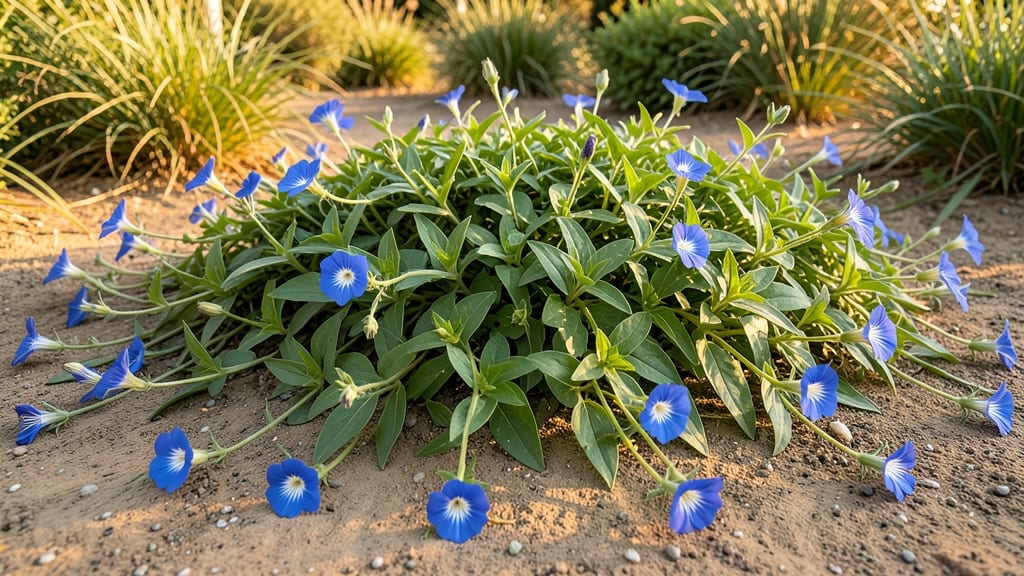
Blue star creeper transforms shady yards into vibrant carpets of tiny blue stars. 🌿 I planted mine last spring, and by summer, it had filled a 10x10-foot area with dense, fragrant foliage that outshines any lawn. This shade-loving ground cover thrives where grass fails, spreading quickly in moist, well-draining soil.
It handles foot traffic better than most lawn alternatives and blooms with delicate blue flowers that attract pollinators. The key? Keep it consistently moist but never soggy—it’s surprisingly drought-tolerant once established. You’ll love how it smothers weeds naturally while creating a soft, moss-like texture underfoot.
Perfect for under trees, slopes, or as a living mulch. Just avoid heavy clay soils, and you’re golden. Works beautifully alongside hostas, ferns, and shade-tolerant perennials. Here’s how to get started without the guesswork!
📚 In This Guide
- What you need
- Instructions
- Tips and common mistakes
- Wrapping up and next steps
What you need
- ● Blue Star Creeper Plants: 12–18 plants per 100 sq. ft. (check spacing instructions on the tag). Opt for Ilex glabra 'Blue Star' from a trusted nursery.
- ● Well-Draining Soil: Mix 1 part compost with 2 parts native soil (or potting mix for containers). Aim for a pH of 5.0–6.5—acidic is ideal!
- ● Mulch: 2–3 inches of pine bark or shredded leaves to retain moisture and suppress weeds.
- ● Watering Can or Hose: With a gentle spray nozzle (avoid blasting roots).
- ● Gloves & Pruners: Heavy-duty gardening gloves and bypass pruners (for shaping or trimming).
- ○ Edging Tool: To define borders neatly (optional but highly recommended for a polished look!).
- ● Slow-Release Fertilizer: A balanced 10-10-10 or acid-loving plant fertilizer (apply sparingly—too much can harm roots!).
- ● Landscape Fabric: If planting in high-weed areas, lay it under the mulch (not directly on plants).
- ● Container Garden Supplies: Large pots (12"+ depth) with drainage holes if growing in containers.
- ● Soil pH Test Kit: To double-check your soil’s acidity before planting.
Step-by-step instructions for establishing a blue star creeper lawn
This shade-loving ground cover spreads quickly once established—here's how to get it growing strong from day one.
🌱 Step 1: Prepare the Soil for Optimal Growth
Blue star creeper thrives in well-draining, slightly acidic soil with a pH between 6.0 and 6.5. Start by removing all weeds and debris from your lawn area, then loosen the top 4-6 inches of soil with a garden fork or tiller. This ground cover has shallow roots, so don't dig too deep—just break up compacted layers.
Work in 2-3 inches of compost or well-rotted leaf mold to improve drainage and fertility. If your soil tests heavy clay, add sand or perlite to create a looser texture. The goal is soil that feels like a damp sponge—not wet mud or dry dust. Test moisture by squeezing a handful: it should hold together but not leave water dripping when released.
🪴 Step 2: Plant Blue Star Creeper Plugs at Proper Spacing
For a fast-growing lawn, plant 4-inch nursery plugs spaced 12-18 inches apart in rows 18 inches apart. This spacing allows the creeping stems to fill gaps quickly without competition. Dig holes just deep enough to cover the plant's root ball completely—no deeper, or you'll invite rot.
Place each plug gently into its hole, then firm the soil around the roots with your fingers. Avoid compacting too hard, as this restricts root expansion. Water immediately after planting to eliminate air pockets and help roots make contact with soil. You'll see foliage begin to spread within 3-4 weeks if conditions are right.
☀️ Step 3: Provide Consistent Moisture and Shade
Blue star creeper needs regular watering for the first 6-8 weeks to establish roots. Keep the soil evenly moist—not soggy, not bone-dry. Water deeply 2-3 times per week, aiming for 1 inch of water per session. You'll know you're on track when water appears at the bottom of the planting area after 30 minutes.
This ground cover tolerates partial shade to full shade, making it perfect for under trees or north-facing yards. If planting in bright shade (dappled sunlight), growth will be slower but still vigorous. Avoid full sun—leaves will scorch and growth will stall. Mulch with 2 inches of shredded bark to retain moisture and suppress weeds.
✂️ Step 4: Maintain Through the First Growing Season
Once established, blue star creeper spreads rapidly on its own, but you can encourage faster coverage by lightly trimming any leggy growth in early spring. Use sharp shears to cut back stems that exceed 4-6 inches in height, which redirects energy to root expansion. This also prevents the plant from becoming too woody.
Fertilize once in early spring with a balanced, slow-release fertilizer (10-10-10). Apply at half the recommended rate—too much nitrogen promotes leaf growth over root spread. Watch for brown tips on leaves, which signal either underwatering or over-fertilization. Adjust care accordingly: more water for dryness, less fertilizer for burn.
⏰ Step 5: Expect Full Coverage in 1-2 Seasons
With proper care, blue star creeper will fill in completely within 12-24 months, creating a lush, low-maintenance lawn that stays green year-round. The key to speed is consistent moisture during establishment—skipping watering even once can set growth back weeks. Once mature, it requires minimal upkeep: occasional trimming and watering during droughts.
Here's the thing—this ground cover handles foot traffic surprisingly well once established, though it's not as durable as traditional grass. For high-traffic areas, consider adding a thin layer of straw mulch temporarily to protect new growth. Within a season, you'll have a soft, elegant lawn that thrives where grass struggles.
Tips & tricks for perfect blue star creeper lawn establishment
Between us, the difference between a patchy ground cover and a lush, fast-spreading lawn often comes down to these small but critical details.
Soil Prep Secret: Don't just loosen the top 4-6 inches of soil—actually test your soil's pH first. Blue star creeper thrives between 6.0-6.5, and if your soil is too alkaline, you'll need to amend it with sulfur or peat moss before planting. I've seen beautiful lawns fail because the soil was too alkaline—don't make that mistake. Use a simple soil test kit from your garden center to check before you start.
Planting Precision: Those 12-18 inch spacing measurements aren't arbitrary—they're designed to prevent competition while allowing the plants to fill in quickly. If you plant too close (under 12 inches), you'll get leggy growth fighting for space. If you space too far apart (over 18 inches), you'll have ugly gaps for months. Mark your planting rows with stakes and string for perfect spacing every time.
Watering Wisdom: The 6-8 week establishment period is critical, and those 2-3 waterings per week need to be consistent. I've learned this the hard way—skipping even one watering can set your plants back weeks. Use a rain gauge or tuna can to measure exactly 1 inch of water per session. In hot weather, you might need to water daily instead of every other day, so check soil moisture with your finger—it should feel like a damp sponge.
Mulch Matters: That 2 inches of shredded bark mulch isn't just decorative—it's essential for moisture retention and weed suppression. The bark should be spread evenly but not piled against plant stems. I like to refresh the mulch layer every few months to maintain its effectiveness. This simple step can cut your watering needs by 30% once established.
Pro Tips for Blue Star Creeper Lawn
- Between us, the difference between a patchy ground cover and a lush, fast-spreading lawn often comes down to these small but critical details.
- Soil Prep Secret: Don't just loosen the top 4-6 inches of soil—actually test your soil's pH first.
- Planting Precision: Those 12-18 inch spacing measurements aren't arbitrary—they're designed to prevent competition while allowing the plants to fill in quickly.
Frequently asked questions
How fast does blue star creeper spread, and will it take over my yard?
Blue star creeper grows at a moderate pace—about 6–12 inches per year—but it’s not aggressive like invasive ground covers. With proper edging (like mulch or landscape fabric), it stays contained while filling in gaps beautifully. Think of it as a gentle lawn companion, not a wildfire!
When is the best time to plant blue star creeper for a lawn?
For optimal root establishment, plant in early spring or early fall when soil is moist but not waterlogged. Avoid extreme heat or frost—this shade-lover thrives in 60–75°F temps. If planting in summer, water deeply daily for the first 2 weeks to help it acclimate.
Can I mix blue star creeper with other ground covers or grass?
It pairs well with hostas, ferns, or shade-tolerant grasses like fine fescue. Just space plants 12–18 inches apart to avoid competition. For a low-maintenance "lawn", try a 50/50 mix of blue star creeper and clover—it stays green longer and requires less mowing!
Why is my blue star creeper turning yellow or dying in patches?
Yellowing often signals overwatering, poor drainage, or fungal issues. Check for:
Pro tip: Mulch lightly (1–2 inches) to retain moisture without suffocating roots. Yes, it’s pricier upfront—$2–$5 per plant vs. grass seed ($0.50–$2/sq ft)—but it saves money long-term. No mowing, fertilizing, or reseeding! Plus, its drought tolerance and year-round greenery (in mild climates) make it a smart investment for shade gardens. Think of it as a luxury ground cover with low maintenance perks.
Is blue star creeper more expensive than traditional grass, and is it worth it?
Wrapping up and next steps
The Blue Star Creeper lawn is your secret weapon for a lush, low-maintenance yard—even in shady spots! 🌿 With its rapid growth, vibrant foliage, and drought tolerance, it’s the perfect ground cover for adding elegance without the hassle.
Whether you’re a seasoned gardener or a beginner, this plant delivers beauty and practicality in one package.
Ready to transform your space? Start by gathering your supplies, choosing the right location, and planting with confidence. Your dream lawn is just a few steps away—go ahead and make it happen! 🌟