
Plants
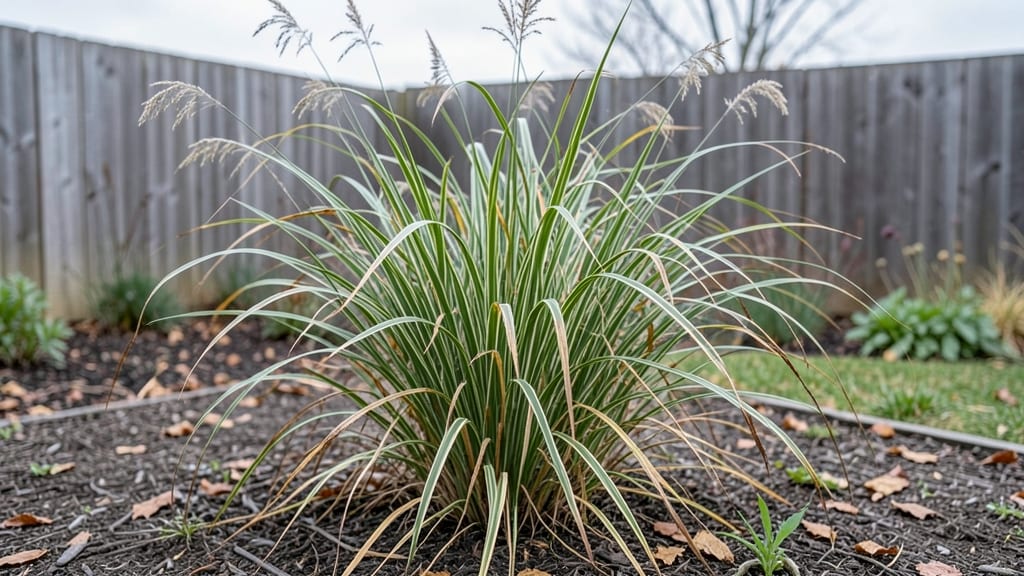
Braided ornamental grass 🌿 brings effortless texture and movement to any landscape, standing out as a natural privacy screen that thrives year-round.
Transform your garden into a serene, textured oasis with this low-maintenance plant—a breeze to grow compared to traditional hedges but packed with visual appeal. Its cascading, braided blades sway in the breeze, creating a dynamic focal point that softens hard lines and adds depth to borders.
Whether you're looking to add height to a shady corner or create a wind-resistant barrier, this grass pairs beautifully with perennials like hostas or heucheras for a layered look. Plus, its evergreen varieties keep color even in winter, ensuring your garden stays stunning through every season.
Discover how to choose the right variety, pair it with complementary plants, and maintain its lush appearance with minimal effort—so you can enjoy a garden that feels both polished and effortlessly natural.
How braided ornamental grass creates stunning textured privacy screens
Braided ornamental grass transforms any outdoor space into a living privacy screen with minimal effort. Unlike dense hedges, these grasses create soft, flowing textures that sway gracefully in the breeze while blocking unwanted views.
Their unique growth patterns—like the tight braids of Carex oshimensis 'Evergold' or the feathery plumes of Pennisetum varieties—add depth and visual interest year-round. The key lies in their height range (2-5 feet), seasonal color shifts, and wind-activated movement, which makes them far more dynamic than static fences.
What sets braided grasses apart is their adaptability to different climates and light conditions. Whether you need a sun-loving screen for a backyard or a shade-tolerant barrier near a patio, these grasses deliver natural privacy without the upkeep of traditional hedges.
Their arching stems and layered foliage create a multi-dimensional effect, making them ideal for modern or cottage-style gardens alike. Plus, they thrive in poor soils and require little to no pruning, saving you time and money.
Here’s how three top varieties compare for privacy screens, including their mature heights, seasonal colors, and wind resistance—critical factors for effective screening:
The seasonal color changes in braided grasses are one of their most underrated features. For example, Pennisetum varieties often develop soft pink or copper tones in autumn, while Carex grasses maintain their golden hues even in winter.
This year-round visual interest ensures your privacy screen never looks dull. Pair these grasses with evergreen shrubs like Ilex or Juniper to extend the seasonal appeal and create a multi-layered barrier that’s both functional and beautiful.
Another advantage is how wind movement enhances their privacy benefits. Unlike rigid fences, braided grasses bend and sway, creating a natural, organic screen that feels more inviting. In coastal areas or open spaces, this movement also reduces noise and softens harsh winds.
For maximum effect, plant grasses in groups of 3–5 to encourage cross-pollination of movement—think of it like a living wind chime for your yard. Their arching forms also provide vertical interest, making them perfect for sloped or uneven terrain.
If you’re aiming for a low-maintenance solution, braided grasses are hard to beat. They self-clean in winter (no raking needed) and regrow quickly after light pruning. For a textured contrast, pair them with broadleaf plants like hostas or ferns, which soften their upright forms.
In modern landscapes, their clean lines complement sleek hardscapes, while in traditional gardens, they blend seamlessly with perennials like black-eyed Susans or coneflowers. The key is to space them 18–24 inches apart for a dense, lush screen within 2–3 years.
For urban gardens where space is limited, dwarf varieties like Carex 'Frosted Curls' (1–2 ft tall) create micro-privacy zones near patios or windows. In rural settings, taller grasses like Stipa can replace wooden fences entirely, offering wild, natural beauty with zero upkeep.
The versatility of braided grasses makes them a top choice for homeowners who want privacy without the hassle of mowing, trimming, or chemical treatments. Their disease resistance and pest deterrence are added bonuses for busy gardeners.
To maximize their privacy potential, plant braided grasses in curved or staggered rows rather than straight lines. This breaks up the visual monotony while increasing the effective screening area.
For example, a 3-foot-tall screen planted in a zigzag pattern can block views 10–15 feet away, depending on the variety. Combine this with underplanting (like creeping thyme or sedum) to add color and texture at ground level. The result?
A multi-sensory garden that’s as functional as it is fabulous.
One common misconception is that braided grasses require full sun—but many varieties, like Carex oshimensis, thrive in partial shade, making them ideal for north-facing yards or woodland gardens.
Always check the USDA hardiness zone for your chosen variety (most braided grasses do well in zones 5–9). With the right placement, these grasses can outperform traditional hedges in both aesthetics and ease of care.
Start small with 3–5 plants to test their performance in your space before committing to a full screen.
Ready to transform your outdoor space? Braided ornamental grass is the effortless, stylish solution for privacy, texture, and movement—all while keeping your garden low-maintenance and lush. Whether you’re shielding a backyard oasis or adding vertical interest to a balcony, these grasses deliver year-round beauty with minimal effort
Top 5 braided ornamental grass varieties for different climates and landscapes
Choosing the right braided ornamental grass depends on your USDA zone, sunlight conditions, and design goals. Whether you need cold-hardy varieties for harsh winters or drought-resistant options for arid climates, each type offers unique textures and heights.
Let’s explore the top 5 varieties that thrive in diverse landscapes, from sun-drenched borders to shady corners.
For full-sun gardens, Pennisetum alopecuroides 'Hameln' stands out with its golden plumes and 3-foot height, perfect for privacy screens. Meanwhile, Carex oshimensis 'Evergold' excels in shade-tolerant spots, adding golden accents to woodland gardens. Each variety balances beauty and resilience, ensuring your garden stays vibrant year-round.
Pennisetum alopecuroides 'Hameln' thrives in USDA zones 5-9 and reaches 3 feet tall, making it ideal for sunny borders. Its golden plumes add warmth to summer landscapes, while its clumping habit prevents spread. For low-maintenance gardens, this variety requires minimal pruning and tolerates drought once established.
If you’re in a cooler climate, consider Miscanthus sinensis 'Zebrinus,' which boasts striking black-and-yellow striped blades and grows 5-6 feet tall. This cold-hardy grass excels in zones 5-9 and thrives in full sun to partial shade.
Its arching form adds movement to garden beds, while its winter interest keeps your landscape dynamic.
For shady spots, Carex oshimensis 'Evergold' is a standout with its golden foliage and 2-foot height. This evergreen grass thrives in zones 5-8 and tolerates moist, well-draining soil.
Its fine texture contrasts beautifully with hostas or ferns, creating a lush, layered look. Prune it lightly in early spring to maintain its shape.
In dry climates, Stipa tenuissima 'Mexican Feather Grass' offers silvery-blue plumes and 3-foot height, perfect for xeriscapes. This drought-resistant variety thrives in zones 7-10 and requires minimal water once established. Its airy texture adds softness to modern landscapes, while its winter hardiness ensures year-round appeal.
Finally, Hakonechloa macra 'Aureola' brings golden cascading blades to shady gardens, reaching 1-2 feet tall. This decorative grass excels in zones 5-9 and thrives in moist, acidic soil.
Its spreading habit makes it ideal for woodland gardens or container plantings, adding a touch of elegance with minimal care.