
Lawn
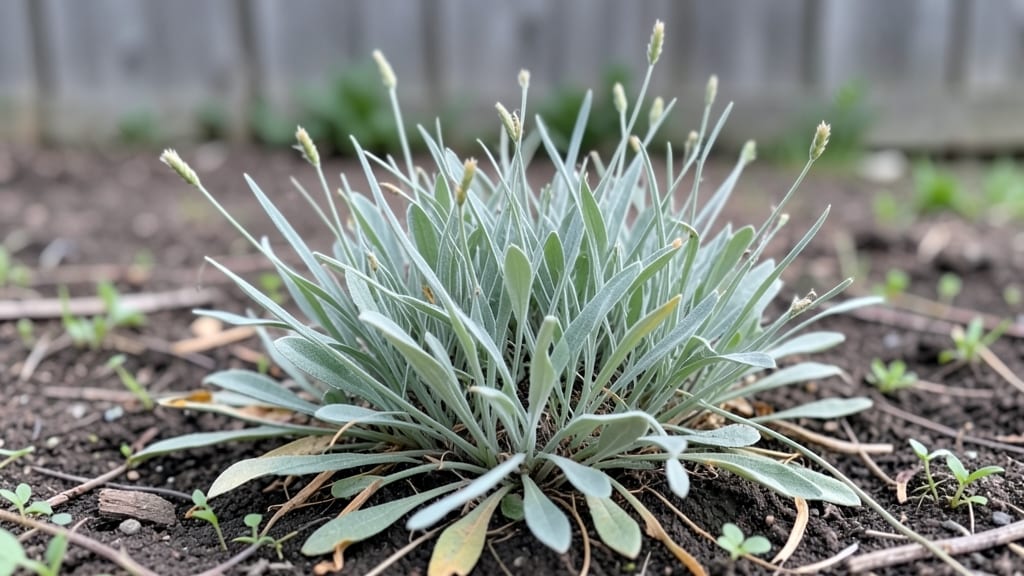
Your lawn’s broad-leaved grass might look lush, but those wide blades could signal deeper problems—like fungal infections or nutrient imbalances that weaken your turf.
Struggling with stubborn broad-leaved weeds ruining your lawn’s pristine appearance? These invasive plants can spread quickly, choking out your grass and making your yard look unkempt—unless you act fast with the right technique.
Orchard Grass 🌾 thrives in USDA Zone 6a when planted in early spring, but even the hardiest varieties can develop broad leaves if soil conditions or pests interfere. The key to fixing it lies in understanding the root cause—whether it’s fungal spots, grubs munching underground, or poor drainage.
In this guide, I’ll walk you through three actionable steps to identify the issue, treat it effectively, and restore your lawn’s health—so you can enjoy a thick, green carpet all season long.
How to identify common broad-leaved weeds in grass
Spotting broad-leaved weeds in your lawn can feel like finding a needle in a haystack—until you learn their telltale signs. These weeds thrive by stealing nutrients from your grass, so recognizing them early is key to keeping your lawn lush.
The first step is understanding their leaf shapes, growth patterns, and root structures, which set them apart from grass blades.
Most lawn weeds fall into a few common categories: dandelions, clover, plantain, and chickweed. Each has distinct features that make identification straightforward once you know what to look for.
For example, dandelions boast jagged, toothed leaves, while clover forms dense, three-leaf clusters. Ignoring these weeds allows them to spread rapidly, crowding out your grass.
Here’s a quick guide to help you spot the most invasive broad-leaved weeds in your grass:
| Weed Type | Leaf Shape | Root System | Growth Pattern |
|---|---|---|---|
| Dandelion | Deeply lobed, toothed edges | Deep taproot (hard to remove) | Roses in spring, yellow flowers |
| Clover (White/Red) | Three rounded leaflets | Shallow, fibrous roots | Low-growing, dense patches |
| Plantain (Broadleaf) | Wide, ribbed, oval leaves | Thick, fibrous roots | Forms tight rosettes near ground |
| Chickweed | Oval, smooth-edged leaves | Shallow, spreading roots | Mats along soil surface |
| Purslane | Thick, succulent, spoon-shaped | Shallow, creeping stems | Spreads in warm, dry areas |
Dandelions are among the most recognizable lawn weeds thanks to their deeply lobed leaves and yellow flowers that transform into fluffy seed heads. Their taproots can extend up to 12 inches deep, making them stubborn to remove.
If you spot these, act fast—they reproduce rapidly via seeds carried by the wind.
Clover, on the other hand, is easily identifiable by its three-leaf clover pattern, a classic symbol of good luck in gardening. Unlike grass, clover forms dense mats and fixes nitrogen in the soil, which can actually benefit some plants—but not your lawn.
Its shallow roots make it easier to pull than dandelions, but it spreads aggressively through underground runners.
Broadleaf plantain is another common offender, with its wide, ribbed leaves that grow close to the ground. This weed thrives in compacted soil and often appears in high-traffic areas like lawns and pathways. Its thick, fibrous roots make it resilient, so you’ll need to dig deep to remove it completely. Look for its tight rosette pattern as a dead giveaway.
Chickweed might seem harmless with its small, oval leaves, but it can smother grass by forming dense mats. It’s especially problematic in cooler months and prefers moist, shaded areas.
Its shallow roots mean it’s easier to pull, but it reproduces quickly through seeds, so tackle it before it spreads. Watch for its spreading habit along the soil surface.
Purslane is a succulent-leaved weed that thrives in hot, dry conditions, often popping up in cracks in driveways or between pavement. Its thick, spoon-shaped leaves store water, making it drought-resistant.
While it doesn’t spread as aggressively as others, its presence is a sign of poor soil moisture retention. Pull it early to prevent it from becoming established.
Once you’ve identified the broad-leaved weeds in your lawn, the next step is removal. The key is acting quickly—most weeds spread faster than grass grows.
Use the right tools, like a weeding knife for deep roots or a hand trowel for shallow ones, and always pull weeds when the soil is moist for easier extraction. Regular monitoring will keep your lawn looking its best.
🌱
The 3-Step pulling method for eradicating broad-leaved weeds
Manual removal is one of the most effective ways to tackle broad-leaved weeds in your lawn without relying on harsh chemicals. When done correctly, this method not only removes the visible foliage but also targets the root system to prevent regrowth.
The key lies in timing, tools, and technique—all of which I’ll break down in this step-by-step guide.
Timing is everything when it comes to pulling weeds. The best time to tackle broad-leaved weeds is during the early spring or fall when soil is moist but not waterlogged. This makes it easier to extract the entire root without breaking it off.
Avoid pulling during the peak summer heat, as the soil becomes hard and dry, making the process more difficult and less effective.
Step-by-Step Weed Removal
- Step 1: Gather the Right Tools
- Garden gloves – Protect your hands from thorns and dirt.
- Weeding knife or hori-hori – Ideal for cutting deep roots cleanly.
- Garden fork – Helps loosen stubborn roots in compacted soil.
- Step 2: Wet the Soil
- Water the area thoroughly 1-2 hours before pulling to soften the soil.
- Focus on the root zone of the weeds for maximum effectiveness.
- Step 3: Pull with Precision
- Grasp the weed at the base of the stem and pull upward with steady pressure.
- For deep-rooted weeds, use a twisting motion to loosen the root ball.
- Inspect the soil for leftover root fragments and remove them immediately.
Once you’ve pulled the weeds, dispose of them properly. Never compost them, as they can spread seeds and regrow. Instead, place them in a sealed bag and toss them in the trash. This ensures you’re not inadvertently replanting the weeds elsewhere in your yard.
After removing the weeds, take a moment to inspect the soil and surrounding area. Look for any remaining fragments or new sprouts, as these can quickly regrow if left unattended.
If you notice persistent weed regrowth in the same spot, it may indicate compacted soil or poor drainage, which can be addressed with aeration or compost amendments.
To keep your lawn weed-free long-term, consider implementing a preventative routine. This includes regular mowing at the correct height, overseeding with dense grass varieties, and applying a layer of organic mulch to suppress weed seeds.
Consistency is key—just a few minutes of maintenance each week can save you hours of weeding later.
With the right tools, timing, and technique, you’ll be well on your way to a cleaner, healthier lawn free of broad-leaved weeds. Happy gardening! 🌱