
Lawn
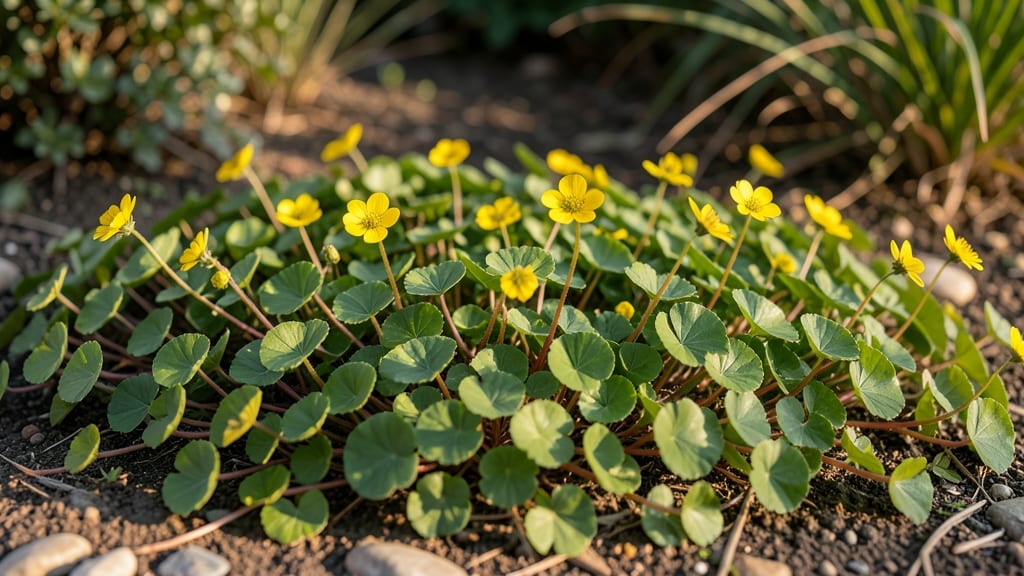
That bright yellow creeping lawn weed with flowers creeping through your lawn is likely creeping Charlie—a stubborn, fast-spreading menace that outcompetes grass and ruins your weekend mowing. 🌱 I’ve battled it for years, and the key to winning is knowing exactly what you’re dealing with before reaching for solutions.
This guide covers the three most effective ways to tackle it: organic methods like vinegar or corn gluten, targeted herbicides for tough spots, and long-term lawn restoration to prevent regrowth. No more wasting time on half-measures or watching it bounce back after one treatment.
By the end, your lawn will look thicker, greener, and weed-free—no more dandelion-like yellow blooms stealing the show. The secret? Consistency and the right approach for your yard’s health.
Works for any grass type, from Kentucky bluegrass to fescue. Let’s get rid of it for good!
Root Causes Behind Its Spread
That pesky creeping lawn weed with yellow flowers—likely creeping oxalis (Oxalis corniculata) or yellow nutsedge (Cyperus esculentus)—doesn’t just appear out of nowhere. Its rapid spread is a mix of biology, lawn care habits, and environmental factors.
Understanding these triggers helps you tackle the problem at its source. Let’s break down why it thrives in your yard.
Weeds like creeping oxalis and nutsedge exploit gaps in your lawn’s defenses. When your grass is sparse, stressed, or struggling, these invaders move in like unwelcome houseguests—except they never leave. Here’s why:
- Competition for resources: Healthy grass crowds out weeds by absorbing sunlight, water, and nutrients. If your lawn is thin, weeds get the upper hand.
- Shade and moisture retention: Weeds like oxalis thrive in partial shade, where grass often struggles. Their shallow roots also love moist soil, which thin lawns can’t regulate effectively.
- Soil compaction: Heavy foot traffic or machinery can compress soil, making it harder for grass roots to penetrate. Weeds, with their aggressive runners or tubers, fill the void.
Actionable fix: Test your soil’s pH and nutrient levels (ideal range: 6.0–7.0 for most grasses). Overseed bare patches in early fall with a disease-resistant grass blend like tall fescue or Kentucky bluegrass. Aerate compacted areas to boost root growth.
Water is a double-edged sword for lawns. Too little, and grass wilts; too much, and weeds like nutsedge (which stores water in its tubers) dominate. Here’s how excess moisture fuels their spread:
- Nutsedge’s water-storing tubers: Yellow nutsedge can survive droughts by storing water in underground tubers. Overwatering creates the perfect conditions for these tubers to multiply rapidly.
- Fungal growth: Soggy soil encourages fungal diseases (like brown patch) that weaken grass, leaving room for weeds to invade.
- Runoff and erosion: Poor drainage can wash away topsoil, exposing bare soil where weed seeds germinate.
Actionable fix:
- Water deeply but infrequently—aim for 1–1.5 inches per week, including rain. Use a rain gauge or tuna can to measure.
- Check for drainage issues: If water pools after rain, consider installing a French drain or grading your yard to slope away from your house.
- Mulch garden beds with wood chips or straw to retain moisture without suffocating grass roots.
Weeds often thrive in lawns with excess nitrogen or deficient potassium/magnesium. Here’s the science:
| Nutrient Issue | How It Helps Weeds | How It Hurts Grass |
|---|---|---|
| Too much nitrogen (N) | Promotes rapid weed growth (like oxalis) while grass may develop a weak root system. | Grass becomes top-heavy, prone to disease, and struggles in drought. |
| Low potassium (K) | Weeds like nutsedge are more drought-resistant and spread faster in K-deficient soil. | Grass loses cold resistance and recovers poorly from stress. |
| Low magnesium (Mg) | Oxalis and other weeds outcompete grass for magnesium, leading to yellowing (chlorosis) in lawns. | Grass develops interveinal yellowing (common in clay soils). |
Actionable fix:
- Get a soil test from your local extension office (costs ~$15–$20). Adjust fertilizers based on results—avoid quick-release nitrogen in favor of slow-release or organic options like compost.
- Add potassium sulfate or Epsom salt (magnesium sulfate) if deficiencies are detected. Follow package rates.
- Top-dress with compost (1/4 inch layer) to improve soil structure and microbial activity.
Climate, season, and even your local ecosystem play a role in weed proliferation. Here’s how:
- Warm seasons: Oxalis and nutsedge germinate best in soil temps above 60°F (15°C). Spring and fall are peak times for their spread.
- Disturbed soil: Aerating, digging, or even over-seeding can bring dormant weed seeds to the surface. Nutsedge tubers, in particular, fragment easily when tilled.
- Wildlife and wind: Birds spread oxalis seeds in their droppings, while wind carries lightweight seeds (like nutsedge) to new areas.
- Climate zones: Weeds thrive in humid, subtropical regions (Zones 7–10) but can persist in cooler areas if conditions are right.
Actionable fix:
- Time your tasks: Avoid heavy soil disturbance in spring or early summer. If you must aerate, do it in late summer/fall when weeds are less active.
- Mulch heavily: Apply 3–4 inches of mulch in garden beds to block light (suffocating weeds) and retain moisture.
- Use pre-emergent herbicides: Apply in early spring (before soil warms) to prevent weed seeds from germinating.
Pro Tip: 💡 Don’t pull weeds by hand in warm weather! The stress can cause them to release more seeds or tubers. Instead, smother them with cardboard or landscape fabric in problem areas.
Tackle This Weed Naturally
If your lawn is overrun by that creeping lawn weed with yellow flowers (likely dandelions or creeping Charlie), don’t panic—there are effective, practical ways to reclaim your green space. The right approach depends on the root cause, whether it’s poor lawn health, soil issues, or sheer persistence.
Below, we break down solutions by problem, from quick fixes to long-term strategies.
If the weed has already taken hold, act fast to prevent spread.🌱 Pull by Hand (Best for Small Areas)
- Timing is key: Pull when the soil is moist (after rain or watering) to avoid breaking roots. Early morning or late evening works best.
- Grip and tug: Use gloves to grasp the weed at the base, then pull upward with steady pressure. For deep roots (like dandelions), a dandelion digger tool can help.
- Remove debris: Toss weeds in the trash—not the compost—to prevent regrowth.
🔪 Mow High and Often
- Set your mower to 3–4 inches to shade out weeds and crowd them out with grass.
- Mow regularly (weekly in growing season) to weaken weeds before they flower and seed.
- Bag the clippings if weeds are prolific to avoid spreading seeds.
💡 Improve Soil Health
| Problem | Solution |
|---|---|
| Compacted soil | Core aerate in spring or fall to let air, water, and nutrients reach roots. |
| Poor drainage | Test soil pH (ideal: 6.0–7.0) and amend with compost or sand if needed. |
| Nutrient deficiency | Apply a balanced fertilizer (e.g., 10-10-10) in early spring or fall. |
🌿 Overseed Bare Spots
- Rake out weeds, then spread high-quality grass seed matched to your climate (e.g., fescue for cool regions, Bermuda for warm).
- Lightly cover seeds with straw to retain moisture.
- Water deeply 2x daily for 2–3 weeks until new grass sprouts.
🍳 Spot-Treat with Herbicides
- Selective herbicides: Choose products labeled for broadleaf weeds (e.g., 2,4-D or triclopyr). Follow label instructions exactly—overuse can harm grass.
- Natural options:
- Vinegar spray (1 gallon vinegar + 1 oz dish soap) for small areas (kills grass too—use sparingly).
- Corn gluten meal (pre-emergent) applied in early spring to prevent weed seeds from germinating.
- 🚫 Avoid post-emergent sprays if you have young grass or plan to overseed soon.
⏰ Timing Matters
- Apply herbicides before weeds flower (late spring/early summer) to stop seed spread.
- Reapply as needed—some weeds (like creeping Charlie) may require 2–3 treatments.
🌡️ Maintain Proper Watering
- Water deeply 1–2x per week (early morning) to encourage deep grass roots that outcompete weeds.
- Avoid light, frequent watering, which promotes shallow roots and weed growth.
🎯 Keep Lawn Dense
- Fertilize 2–3 times per year (spring, summer, fall) to keep grass lush.
- Dethatch if thatch layer exceeds ½ inch to improve water/fertilizer absorption.
💡 Pro Tip: Mulch garden beds with wood chips or straw to block weed seeds from reaching your lawn.
With consistency, your lawn can go from weed-infested to thick, green, and resilient. Start with one or two methods, monitor progress, and adjust as needed—your future self will thank you! 🌿✨
Frequently asked questions
What are the most common creeping lawn weeds with yellow flowers?
The three most likely culprits are creeping Charlie (Oxalis corniculata), yellow nutsedge (Cyperus esculentus), and dandelions (Taraxacum officinale). Creeping Charlie spreads via underground runners, nutsedge through tubers, and dandelions via wind-blown seeds.
Why does pulling these weeds often lead to regrowth?
Many creeping weeds like nutsedge and creeping Charlie have underground tubers or runners that fragment when pulled. Each broken piece can grow into a new plant. Always dig deep or use targeted herbicides to prevent regrowth.
Can I use vinegar to kill these weeds without harming my grass?
Vinegar works best as a spot treatment (1 gallon vinegar + 1 oz dish soap) for small areas, but it will also kill grass. For lawns, use corn gluten meal (pre-emergent) or selective herbicides (like 2,4-D) that target broadleaf weeds while sparing grass.
How long does it take to see results after treating these weeds?
Manual removal shows results immediately, but chemical treatments take 1–3 weeks to work. For persistent weeds like nutsedge, you may need 2–3 applications spaced 2 weeks apart in the growing season. Consistency is key!
Will overseeding my lawn prevent these weeds from coming back?
Yes, but only if done correctly. Overseed with dense, healthy grass (like fescue or Bermuda) in early fall, then maintain proper watering and fertilization. A thick lawn crowds out weeds naturally. Combine this with pre-emergent herbicides in spring for best results.