
Lawn
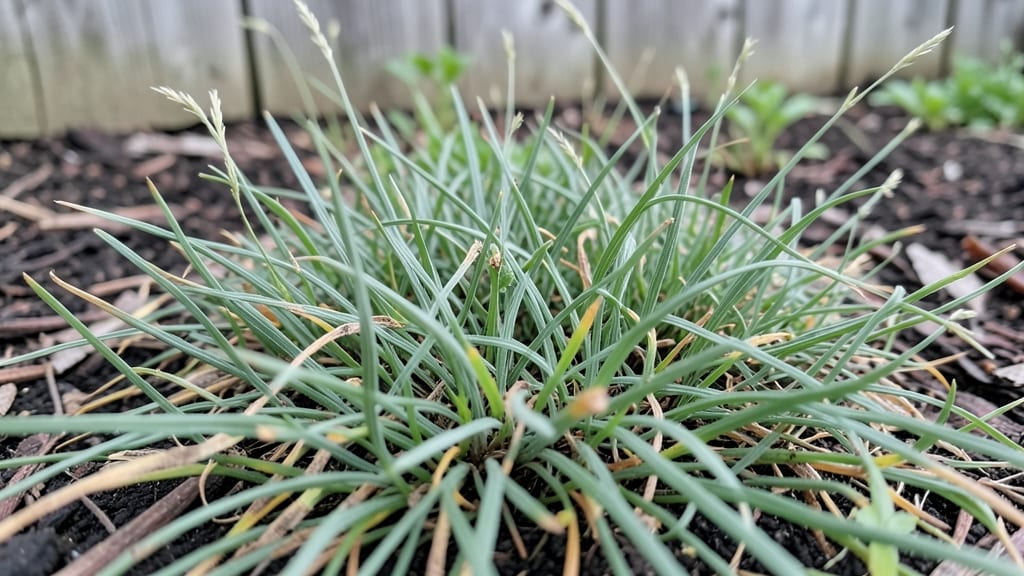
Reviving a brown grass plant 🌱 can feel like an uphill battle—especially when you’ve spent all season nurturing what should be a vibrant lawn.
Seeing patches of brown grass in your lawn can be frustrating—especially when you’ve invested time and care into maintaining a lush, green space. The good news? With the right approach, you can turn that dull, patchy lawn into a thriving carpet of green in just a few weeks.
Whether it’s drought, disease, or poor soil draining the life out of your grass, the key is identifying the problem fast.
Once you know what’s causing the brown spots, you can tackle it with targeted solutions—like adjusting your watering routine, testing your soil, or even giving your lawn a nutrient boost.
In this guide, I’ll walk you through a 5-step rescue plan to revive your brown grass quickly, plus long-term tips to keep it looking its best year-round. No more guesswork—just a greener, healthier lawn in no time.

Why your grass turns brown: common causes and fast fixes
Seeing patches of brown grass can feel like a mystery—especially when your lawn seems to thrive most of the year. The truth is, brown grass is usually a clear signal from your lawn that something’s off.
Whether it’s drought stress, fungal infections, or poor soil health, each cause requires a different fix. The key is identifying the root issue quickly to restore that vibrant green.
Before reaching for solutions, take a closer look at your lawn. Is the brown patch crunchy and dry? Or does it feel soft and spongy? These clues help pinpoint whether you’re dealing with underwatering, overwatering, or something more serious like grubs or disease.
Let’s break down the most common culprits and how to tackle them head-on.
🌱 Common Causes
- ✅ Drought Stress: Grass blades curl, turn brown, and feel brittle when water-deprived.
- ✅ Overwatering: Soggy soil leads to root rot and yellow-brown patches.
- ✅ Fungal Disease: Circular brown spots with dark rings signal issues like brown patch or dollar spot.
- ✅ Grubs/Pests: Spongy turf and visible insects indicate grub damage.
- ✅ Poor Soil: Compacted or nutrient-deficient soil stunts growth, leading to patchy browning.
🔍 Fast Fixes
- ✅ Drought: Water deeply 2x weekly (1-1.5 inches per session).
- ✅ Overwatering: Let soil dry 2-3 inches deep between waterings.
- ✅ Fungal Disease: Apply fungicide and improve airflow by thinning grass.
- ✅ Grubs: Use grub control or nematodes to eliminate pests.
- ✅ Poor Soil: Aerate and top-dress with compost for nutrients.
Let’s start with the most common issue: drought stress. If your grass feels dry and brittle, it’s likely thirsty. Grass roots need deep watering to reach at least 6 inches down.
A simple test is to dig a small hole—if the soil is dry below 2 inches, it’s time to water. Morning watering is best to reduce evaporation and fungal risks.
On the flip side, overwatering can be just as damaging. Too much moisture suffocates roots, leading to brown, mushy patches.
If your lawn feels spongy underfoot, cut back on watering and let the top 2-3 inches of soil dry out completely before watering again. Improving drainage with sand or compost can also help.
Fungal diseases like brown patch or dollar spot often appear as circular brown spots with darker rings. These thrive in hot, humid conditions and wet grass.
To treat, apply a fungicide and improve airflow by mowing higher (3-4 inches) and thinning dense areas. Water in the morning to let grass dry quickly.
If your lawn feels spongy and you spot white grubs when digging, you’re dealing with pest damage. These insects chew roots, causing brown patches. Use beneficial nematodes or a grub-specific insecticide to eliminate them. Over-seeding damaged areas can also help restore coverage faster.
Lastly, poor soil health often leads to patchy browning. Compacted or nutrient-deficient soil struggles to support grass growth. Aerate your lawn in spring or fall to relieve compaction, then top-dress with 2-3 inches of compost. This boosts organic matter and helps roots access water and nutrients more easily.
Don’t forget to check for thatch buildup—a layer of dead grass and roots over ½ inch thick can block water and air. Use a thatchet or vertical mower to thin it out.
A healthy lawn starts with healthy soil, so consider a soil test kit to check pH and nutrient levels.
If you’ve tried these fixes and your grass still isn’t recovering, the issue might be shade stress or an underlying disease like take-all root rot. In these cases, consult a local lawn care professional for targeted solutions.
With the right approach, your lawn can bounce back to green in as little as a week!
Remember, prevention is key. Regular mowing, proper watering, and seasonal fertilizing keep grass resilient. Now grab your tools—your lawn’s green revival starts today! 🌱
5-Step rescue plan to revive brown grass in under a week
If your brown grass plant looks more like a desert landscape than a lush lawn, don’t panic—this is a fixable problem. The key to fast recovery lies in addressing the root causes: underwatering, compacted soil, or nutrient deficiencies.
With the right approach, you can restore vibrant green grass in just 7 days. The secret? A combination of deep watering, soil aeration, and targeted fertilization to jumpstart growth.
Before diving into solutions, check for signs of disease or pest damage. Brown patches with a white powdery coating? Likely fungal infection. Circular brown spots with thin grass? Could be grubs or chinch bugs.
Once you’ve identified the issue, you can tailor your rescue plan for maximum effectiveness. The steps below cover the most common causes and provide actionable fixes to revive your lawn quickly.
Step-by-Step Rescue Plan
-
Step 1: Deep Water the Lawn
Water your lawn deeply for 30-45 minutes, 2-3 times per week. Use a soaker hose or irrigation system to ensure water penetrates 6 inches deep. Avoid light, frequent watering, which encourages shallow roots and drought stress. -
Step 2: Aerate Compacted Soil
Rent a core aerator to create holes in the soil, allowing water, air, and nutrients to reach the roots. Focus on high-traffic areas where soil compaction is worst. Follow up by top-dressing with 1/4-inch compost to improve soil structure. -
Step 3: Apply a Fast-Acting Fertilizer
Use a high-nitrogen fertilizer (like 24-0-4) to promote quick green-up. Spread evenly over the lawn and water lightly to activate nutrients. For organic options, try compost tea or fish emulsion for a gentler boost. -
Step 4: Treat for Pests or Disease
If brown spots persist, apply a broad-spectrum fungicide for disease or grub control for pests. For natural remedies, mix 1 gallon of water + 1 tbsp dish soap + 1 tbsp vegetable oil and spray affected areas. -
Step 5: Mow High and Mulch
Set your mower to 3-4 inches to reduce stress on the grass. Leave clippings as natural mulch to return nutrients to the soil. Avoid mowing brown patches, as they may not recover.
After completing these steps, monitor your lawn closely. Within 3-5 days, you should see signs of recovery, like greener blades and firmer soil. For long-term results, repeat soil aeration and fertilization every 6-8 weeks during the growing season.
Remember, consistency is key—skipping steps or rushing the process can lead to setbacks.
If your lawn still shows little improvement after a week, consider testing your soil pH (ideal range: 6.0-7.0) and adjusting with lime or sulfur as needed. A soil test kit from your local garden center makes this easy.
With patience and the right care, your brown grass will transform into a vibrant, healthy lawn in no time.
Don’t let brown grass discourage you—this is your chance to turn things around and enjoy a lawn that’s the envy of the neighborhood. Start today, and watch your grass bounce back to life in just a few days! 🌱