
Pests
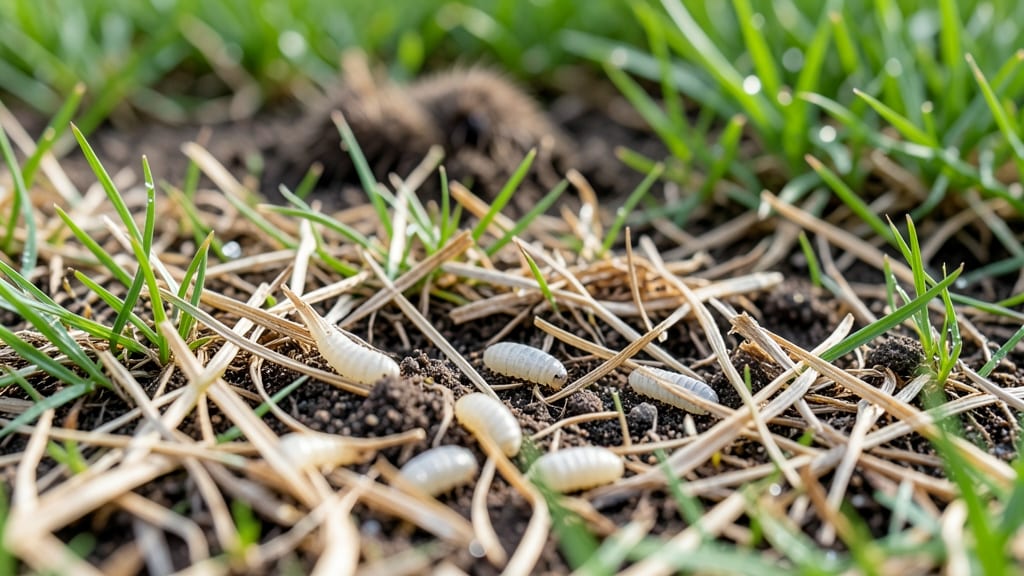
A grub-infested lawn can turn your green paradise into a patchwork of brown death in weeks. 🌱 I’ve battled these white, C-shaped pests before, and I’ll show you how to starve them out in 3 days using organic methods that actually work—no harsh chemicals required.
The first sign? Spongy grass that rolls back like a carpet, or skunks digging up your yard like it’s a buffet. Grubs thrive in moist, cool soil, and once they’re there, they munch on roots faster than you can say "lawn replacement."
But here’s the good news: beneficial nematodes and a few simple tweaks can turn the tide before you know it. You’ll see results within 72 hours—fewer brown patches, healthier grass, and no more critters turning your lawn into their personal buffet.
The key is timing, technique, and a little patience (though I know that’s hard when your yard looks like a war zone). This works for any grass type, from cool-season fescue to warm-season Bermuda. Let’s get your lawn back to lush in no time—without the chemical cleanup.
The Hidden Triggers Behind Lawn Grubs
Grubs—those white, C-shaped larvae—can turn your lush green lawn into a patchy, brown eyesore faster than you think. But why do they suddenly show up and wreak havoc? The answer lies in a mix of environmental conditions, lawn care habits, and the natural life cycle of beetles.
Understanding these triggers is the first step to stopping them before they cause irreversible damage.
Grubs thrive in moist, soft soil—think of it as their perfect buffet. Here’s why: - Excessive irrigation (especially in summer) creates ideal humidity levels for egg-laying beetles.
Adult Japanese beetles, for example, prefer to deposit eggs in damp, well-watered grass. - Compacted soil (from foot traffic, heavy equipment, or poor drainage) makes it easier for grubs to burrow deeper, where they’re protected from predators like birds and toads. - Thatch buildup (a layer of dead grass and roots) traps moisture and organic matter, giving grubs a cozy, high-nutrient environment to feast on.
Actionable fix: Aerate your lawn in early fall or spring to relieve compaction, and adjust watering to 1–1.5 inches per week (including rainfall). Let the top inch of soil dry between waterings to discourage egg-laying.
Grubs aren’t picky eaters—they’ll munch on grass roots, but they love nitrogen-rich fertilizer. Here’s the science: - High-nitrogen fertilizers (especially fast-release types) create a temporary "green boom" that attracts adult beetles.
They’re drawn to lush, nitrogen-fed grass, where they lay eggs in abundance. - Slow-release fertilizers (like organic compost or balanced 10-10-10 blends) are less appealing because they don’t trigger the same rapid growth response. - Grass clippings left on the lawn (a common "green" practice) add extra nitrogen, creating a grub magnet over time.
Actionable fix: Switch to a low-nitrogen, slow-release fertilizer (like milorganite or compost tea) in early summer when beetles are most active. Avoid heavy applications in June–July, the peak grub-hatching season.
If you’ve sprayed for grubs after they’ve hatched, you’ve already lost the battle. Here’s why timing matters: - Beetles lay eggs in late June–August, and grubs emerge 2–4 weeks later.
If you treat in May or September, you’re missing the window. - Adult beetles (the parents) are active from June to August, so preventing them from laying eggs is critical. - Larvae mature in 4–6 weeks, then pupate underground.
By the time you see damage (wilted patches in fall), the grubs are already half-grown.
Actionable fix: Apply grub-specific treatments (like milky spore or neem oil) in late May–early June to target eggs before they hatch. For organic control, use beneficial nematodes (Heterorhabditis bacteriophora) in early summer.
Grubs prefer stressed grass—it’s easier to digest, and the roots are already compromised.
Common stressors include: - Drought stress: Weakened roots make grass vulnerable to grub feeding. - Disease or fungus: Lawns with brown patch or dollar spot are prime targets. - Improper mowing: Cutting grass too short (below 2.5 inches) exposes roots and attracts beetles.
Actionable fix: Keep grass 3–4 inches tall for shade and root strength. Water deeply but infrequently to encourage deep root growth. Overseed bare spots in fall to thicken the lawn naturally.
Grubs don’t appear out of nowhere—they’re the offspring of Japanese beetles, June bugs, or European chafer beetles, which fly in from:
- Nearby gardens (especially roses, grapes, or linden trees—beetle favorites).
- Wooded edges or fields where adult beetles overwinter.
- Compost piles or leaf litter, which provide shelter for pupating grubs.
Actionable fix: Install beetle traps in late spring (but place them far from your lawn—they can attract more beetles!). Remove leaf litter and debris from lawn edges, and consider planting grub-repelling flowers like marigolds or catnip around the perimeter.
Grubs follow a seasonal pattern tied to temperature and rainfall:
- Southern states: Grubs hatch year-round but peak in spring and fall due to mild winters.
- Northern states: Eggs lay in late summer, and grubs overwinter before feeding in spring.
- Drought years: Beetles lay eggs earlier to take advantage of moisture.
Actionable fix: Monitor local beetle activity reports (from your cooperative extension service). Treat 2 weeks before peak egg-laying season in your region.
Before treating, confirm you have a grub problem:
- Roll back a small section of sod (use a shovel).
- Look for white, C-shaped larvae (1/4–1/2 inch long) in the top 2 inches of soil.
- If you find 5+ grubs per square foot, it’s time to act!
Why it works: This test saves you from over-treating for other issues (like fungus or chinch bugs).
Quick Fixes for a Damaged Lawn
A grub-infested lawn doesn’t have to be a lost cause—especially if you act fast! The key is identifying the root problem (literally) and applying the right organic solutions.
Below, we break down the most common causes of grub damage and how to reverse it in just 3 days with natural, eco-friendly methods.
Problem: Too much water creates a moist, inviting environment for grubs to thrive, weakening roots and leaving patches of dead grass.
Fix:
- 💦 Reduce Watering Immediately
- Water deeply 2-3 times per week (early morning) instead of daily shallow sessions.
- Use a rain gauge to ensure 1–1.5 inches per week—no more!
- 🌱 Aerate the Soil
- Rent a core aerator or use a manual spike aerator to break up compacted soil.
- Do this after watering so roots don’t dry out.
- 🐛 Introduce Beneficial Nematodes
- These microscopic predators kill grubs naturally without chemicals.
- Apply 1–2 pounds per 1,000 sq. ft. in the evening (they need moisture to work).
Prevention Tip: 💡 Mulch lightly (½ inch) to retain moisture without creating a grub paradise—stick to organic mulch like straw or shredded leaves.
Problem: Thatch (a layer of dead grass and roots) traps moisture and grubs, choking your lawn.
Fix:
- 🔪 Dethatch with a Rake or Machine
- Use a vertical mower (rental-friendly) or a stiff lawn rake to pull up thatch.
- Aim for ½ inch or less—any thicker, and you risk damaging roots.
- 👨🍳 Overseed Bare Spots
- Sprinkle high-quality grass seed (like tall fescue or Kentucky bluegrass) over thinned areas.
- Lightly rake in seeds and water gently daily for 10–14 days.
- 🌡️ Boost Soil Health with Compost
- Spread a ¼-inch layer of compost over the lawn after dethatching.
- This adds nutrients while improving drainage—grubs hate well-drained soil!
Prevention Tip: ✨ Mow high (3–4 inches) to reduce thatch buildup naturally over time.
Problem: Synthetic fertilizers (high in nitrogen) attract grubs and disrupt soil balance.
Fix:
- 🚫 Stop Synthetic Fertilizers Immediately
- Replace with organic options like compost tea, fish emulsion, or bone meal.
- 🌿 Use Milky Spore or Beetle Juice
- Milky spore (a natural bacteria) targets Japanese beetle grubs—apply in early summer.
- Beetle juice (fermented plant extract) repels grubs on contact.
- 🍎 Feed Your Lawn the Right Way
- Use a slow-release organic fertilizer (like alfalfa meal) to avoid nitrogen spikes.
- Follow package instructions for application rates.
Prevention Tip: 🎯 Test your soil (DIY kits at garden centers) to avoid over-fertilizing—grubs love imbalanced soil!
If your lawn is already showing brown patches, spongy feel, or animals digging, here’s your emergency 3-day plan:
| Day | Task | Tools/Materials Needed |
|---|---|---|
| Day 1 | Water deeply in the morning | Hose with adjustable nozzle |
| Apply beneficial nematodes | Nematode sprayer or hose-end applicator | |
| Day 2 | Aerate affected areas | Core aerator or manual spikes |
| Spread compost (¼ inch) | Garden compost or worm castings | |
| Day 3 | Overseed bare spots | Grass seed + light rake |
| Reapply nematodes if dry | Water lightly to activate |
Pro Tip: 🔥 Check for skunks or raccoons—if you see fresh digging, grubs are definitely the problem!
Final Reminder: Grubs multiply fast, but organic methods work within weeks—just stay consistent! Combine these fixes, and your lawn will bounce back healthier than ever. 🌱💪
Frequently asked questions
How can I tell if my lawn has grubs and not just drought stress?
Perform the sod roll test: Lift a small section of grass (about 6x6 inches) with a shovel. If the roots are white, C-shaped larvae (1/4–1/2 inch long), you’ve got grubs. Drought stress shows brown patches with dry, brittle roots, while grub damage feels spongy when stepped on.
Are beneficial nematodes safe for pets and kids?
Yes! Beneficial nematodes (Heterorhabditis bacteriophora) are non-toxic and target only grubs. They’re approved for organic lawn care and won’t harm pets, children, or beneficial insects like bees. Just avoid applying them when pets are on the lawn for 24 hours to let them settle into the soil.
Will milky spore work if I apply it after grubs have hatched?
No—milky spore targets Japanese beetle eggs and young larvae, so it’s most effective when applied in late May–early June. If grubs are already feeding, use beneficial nematodes (they attack mature grubs) or neem oil (repels adults). For next year, apply milky spore in spring to prevent future infestations.
How long does it take to see results from organic grub treatments?
You’ll notice improvement in 3–7 days with nematodes or neem oil, but full recovery takes 4–6 weeks as grass regrows. For severe damage, overseeding bare spots accelerates recovery. Repeat nematode applications every 4–6 weeks during grub season (spring–fall) for lasting control.
Can I use chemical insecticides if organic methods fail?
Yes, but use targeted chemical treatments like imidacloprid or trichlorfon (follow label instructions). Apply in evening to protect bees, and avoid synthetic fertilizers for 30 days after treatment. For long-term safety, combine chemicals with beneficial nematodes to rebuild natural defenses.