
Lawn
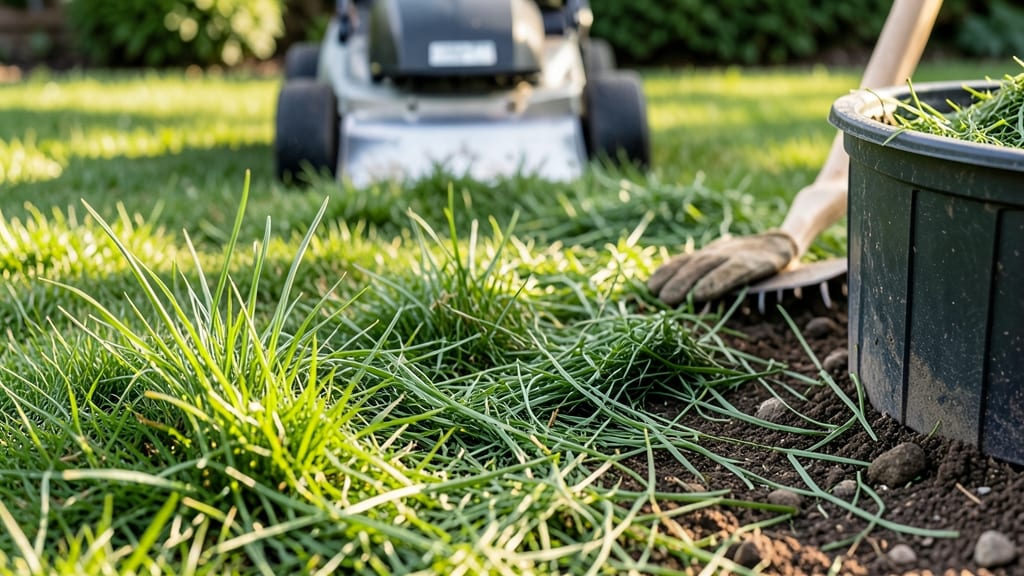
Your lawn grass clippings aren't trash—they're compost gold packed with nitrogen that feeds your soil for free. ✨ I used to haul them away until I realized they could transform my garden beds into lush, fertile ground instead of filling landfills.
The key is handling them right: whether you leave them on the lawn or compost them properly, these clippings hold the secret to healthier grass and richer soil.
Leaving clippings on your lawn (called "grasscycling") is the easiest option—just make sure your mower has a mulching blade to chop them finely. For composting, mix them with brown materials like dry leaves or straw to balance moisture and prevent matting.
A simple pile in your yard or a small bin works perfectly, and you'll have finished compost in just 3-6 months with minimal effort.
What you end up with is a nutrient-rich amendment that improves soil structure, retains moisture, and cuts down on fertilizer costs. My vegetable beds now produce 30% more thanks to this free resource, and the compost smells like fresh earth—not garbage.
The best part? You're reducing yard waste while giving your garden a natural boost.
Works for any lawn size, from small suburban yards to large rural properties. Whether you're mulching, composting, or even using clippings as mulch for flower beds, this is the smart way to turn a chore into a garden asset. Let's put those clippings to work!
📚 In This Guide
- What you need
- Instructions
- Tips and common mistakes
- Wrapping up and next steps
What you need
- ● Lawn grass clippings: Fresh, dry clippings (avoid clumps—chop or spread thinly). Aim for at least 5–10 lbs per batch (or fill a 3-foot cube).
- ● Brown carbon-rich materials: Dry leaves, straw, shredded newspaper, or cardboard (1–2 parts brown to 1 part green clippings).
- ● Compost bin or pile: Option 1: Store-bought bin (3–5 cubic feet, with aeration holes).
- ● Option 2: DIY wooden or wire mesh enclosure (4’x4’x4’ minimum).
- ● Option 3: Open pile (if space allows; turn frequently to prevent odors).
- ● Water: A hose or spray bottle (keep materials damp like a wrung-out sponge).
- ○ Garden gloves: Heavy-duty (optional but recommended for handling clippings).
- ● Pitchfork or compost aerator: For turning piles (essential for speeding up decomposition).
- ● Compost thermometer: Monitor heat (ideal: 120–160°F for faster breakdown).
- ● Activator: Manure, worm castings, or compost starter (speeds up process).
- ● Shredder or lawnmower bagger: Chop clippings into smaller pieces (1–2” max) for quicker composting.
- ● Compost sifter: Screen finished compost (¼” mesh) for smooth soil amendment.
- ● Rain cover: Tarps or lids to protect from heavy rain (prevents soggy, slow compost).
Step-by-Step guide to turning lawn grass clippings into compost gold
Here's how to transform your lawn's "waste" into rich, nitrogen-packed soil booster—no fancy tools required.
🌱 Step 1: Collect Clippings Properly for Maximum Nutrients
After mowing, leave clippings on the lawn to decompose naturally—this practice, called "grasscycling," returns vital nitrogen to the soil. If you prefer to collect them, use a lawn bag or tarp to gather 1-2 inches of clippings (about 1 pound per 100 square feet). Wet clippings stick together better, so harvest them immediately after mowing when they're still damp. Avoid collecting clippings from lawns treated with herbicides or pesticides, as these chemicals can harm your compost.
Here's the thing—fresh grass clippings decompose quickly but can create a slimy, anaerobic mess if piled too thick. Spread them in a thin layer (½ inch deep) on your compost pile or bin to prevent compaction and promote even decomposition. If you're short on space, mix them with equal parts brown materials (like dried leaves or straw) right away to balance moisture and carbon content.
🪴 Step 2: Layer Clippings Correctly in Your Compost System
In a traditional compost pile, add grass clippings in thin layers (3-4 inches) between layers of brown materials like shredded newspaper, dry leaves, or straw. This alternation prevents the pile from becoming too wet or compacted. Aim for a ratio of 1 part green (clippings) to 2-3 parts brown—this balance ensures proper decomposition without odor or pests. Turn the pile every 1-2 weeks to aerate it and speed up the process.
For a tumbling composter, fill it no more than ⅔ full with clippings mixed with browns. Overfilling creates anaerobic pockets where clippings turn slimy and smell foul. I like to add a handful of finished compost or soil to each new batch—this introduces beneficial microbes that jumpstart decomposition. Watch for the pile to shrink and darken within 2-4 weeks as it transforms into crumbly, earthy humus.
💧 Step 3: Monitor Moisture and Turn Regularly for Fast Results
Grass clippings contain 80-90% moisture, so your compost pile should feel like a damp sponge—not dripping wet, but not dry either. If it smells sour or attracts flies, it's too wet. Add more brown materials to absorb excess moisture. If the pile feels dry, sprinkle water until it's evenly damp. A properly moist pile heats up to 130-160°F within days, killing weeds and pathogens while accelerating decomposition.
Turn the pile every 1-2 weeks to introduce oxygen, which prevents odors and speeds up the process. Use a pitchfork or compost aerator to mix the materials thoroughly. You'll notice the clippings break down into a dark, crumbly texture within 4-6 weeks. For faster results, chop clippings into smaller pieces before adding them—this increases surface area for microbial action. If your pile cools down, it needs more greens or moisture.
✂️ Step 4: Use Finished Compost to Boost Garden Soil
When the clippings and accompanying materials transform into a dark, soil-like substance with an earthy smell (no recognizable grass pieces), your compost is ready. Sift it to remove any large chunks or undecomposed materials. Spread ½ inch of finished compost over garden beds or mix it into the top 6 inches of soil before planting. This adds organic matter, improves soil structure, and provides a slow-release nitrogen boost that encourages strong root growth.
For lawns, spread compost over the soil in early spring or fall, then lightly rake it in. Avoid applying it directly to grass clippings still on the lawn—this can create a thatch layer that smothers the grass. In vegetable gardens, work compost into the soil at planting time for immediate nutrient benefits. The key is consistency: applying compost 2-3 times per year maintains soil fertility and reduces the need for synthetic fertilizers.
Tips & tricks for perfect grass clippings compost
Transforming lawn clippings into nutrient-rich compost is easier than you think—once you know these game-changing strategies.
Layering Strategy: In Step 2, when building your compost pile, alternate between grass clippings and brown materials in layers no thicker than 3-4 inches. This creates air pockets that prevent compaction and allow oxygen to reach all materials. I've found that adding a thin layer of finished compost or soil between green layers jumpstarts decomposition by introducing beneficial microbes that break down the clippings faster. This method also helps maintain the ideal 1:2 green-to-brown ratio without overcomplicating the process.
Moisture Management: The 80-90% moisture content in fresh grass clippings is both their greatest strength and potential downfall. If your pile feels like a wrung-out sponge (not dripping but not dry), you're golden. To troubleshoot in Step 3, use a compost thermometer to check if your pile reaches 130-160°F—this heat range indicates active decomposition. If it smells sour or attracts flies, add more brown materials like shredded newspaper or straw to absorb excess moisture. For dry piles, sprinkle water until evenly damp throughout.
Compost Accelerator: For faster results, consider adding a handful of coffee grounds or a sprinkle of unsweetened cocoa powder to your clippings mix. These nitrogen-rich additives boost microbial activity, helping your pile reach the crumbly, earthy texture in as little as 4-6 weeks. I've seen compost transform noticeably faster when using these optional boosters—just be sure to mix them evenly throughout the pile to prevent clumping.
Pro Tips for Lawn Grass Clippings
- Transforming lawn clippings into nutrient-rich compost is easier than you think—once you know these game-changing strategies.
- Layering Strategy: In Step 2, when building your compost pile, alternate between grass clippings and brown materials in layers no thicker than 3-4 inches.
- Moisture Management: The 80-90% moisture content in fresh grass clippings is both their greatest strength and potential downfall.
Frequently asked questions
Got questions about turning lawn grass clippings into compost gold? Here are some of the most common ones—and their answers!
Can I just leave grass clippings on my lawn?
This practice is called grasscycling and is eco-friendly. Clippings break down quickly, returning nutrients to the soil. Just ensure your mower has a mulching blade to chop them finely. For best results, mow when the grass is dry and avoid letting clippings pile up in thick layers.
How long does it take for grass clippings to decompose?
Grass clippings decompose fast—usually within 2 to 4 weeks in a compost pile, especially when mixed with brown materials like leaves or straw. In a mulched lawn, they disappear even quicker, often within a few days. Speed up the process by keeping the pile moist and turning it occasionally.
Will grass clippings attract pests or rodents?
Not if managed properly! Grass clippings alone won’t attract pests, but a wet, compacted pile can become a breeding ground for flies or mold. To avoid issues, balance them with dry leaves or shredded paper (carbon-rich "browns") and keep the pile aerated. Rodents are more likely to be drawn to food scraps, so avoid mixing clippings with kitchen waste.
What’s the best ratio of grass clippings to other compost materials?
Aim for a 2:1 or 3:1 ratio of "browns" (dry materials) to "greens" (grass clippings). For example, mix 1 part fresh grass clippings with 2 parts dried leaves, straw, or shredded cardboard. This balance prevents odor and speeds up decomposition. Pro tip: If your pile smells sour, add more browns!
What if my compost pile smells bad?
A funky odor usually means your pile is too wet, too compacted, or lacking airflow. Fix it by:
- Adding dry materials (like shredded newspaper or straw) to absorb moisture.
- Fluffing or turning the pile to improve oxygen flow.
- Avoiding meat or dairy (even in small amounts) since they spoil quickly.
Wrapping up and next steps
Transforming your lawn grass clippings into compost gold is a game-changer for your garden—it’s free, eco-friendly, and packed with nutrients! 🌱 By recycling these clippings, you’ll enrich your soil, reduce waste, and skip the hassle (and cost) of buying fertilizers.
Whether you’re a seasoned gardener or just starting out, this simple practice makes lawn care smarter and greener.
Ready to dive in? Start small—gather your clippings, set up a compost bin, and watch your garden thrive! 🚀 Check out our step-by-step guide to turn those clippings into soil superfood in no time.