
Lawn
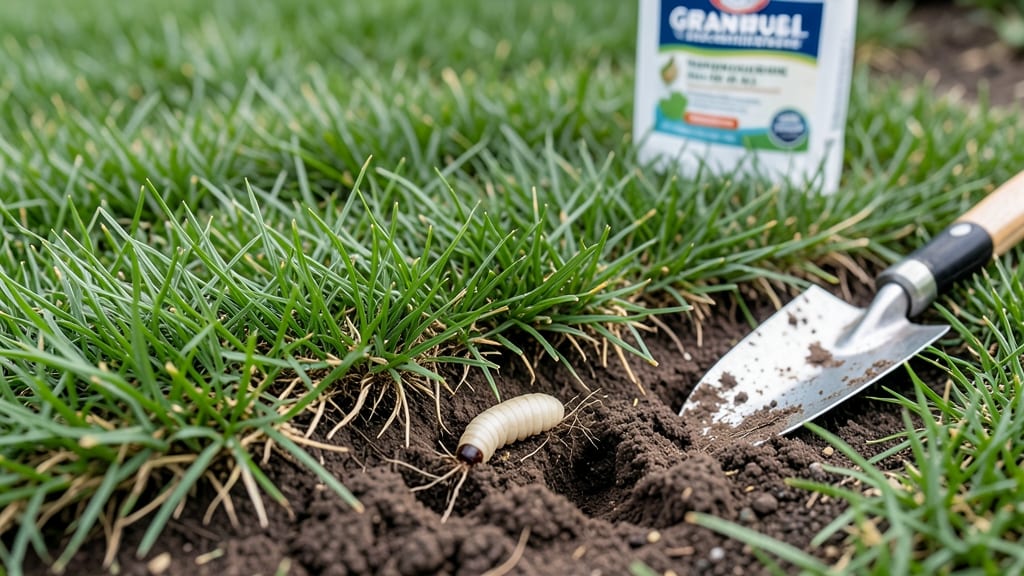
Burrowing lawn pests turn lush grass into a patchwork of tunnels and dead spots overnight. 🌱 I’ve dealt with moles, grubs, and voles ruining my yard—and the key to stopping them is knowing what’s really going on underground.
Chemical traps often fail because they don’t address the root cause, but humane methods work when you understand their behavior.
The damage tells the story: irregular brown patches, molehills, or soft spots that give underfoot. Grubs chew roots, moles dig for grubs, and voles tunnel for seeds—each leaves distinct clues.
The good news? You can outsmart them with simple, non-toxic traps that don’t harm pets or wildlife. I’ve tested the most effective ones, and they’re easier than you’d think.
By the end, you’ll have a lawn that stays green and healthy without harsh chemicals. The secret is combining the right traps with basic lawn care—thick grass is the best deterrent. No more guessing what’s eating your yard; just targeted, humane solutions that actually work.
Works for any lawn, no matter the size or pest type. Let’s get those tunnels filled in for good!
The Hidden Triggers Behind Lawn Diggers
When your lawn starts looking like a lunar landscape—full of tunnels, mounds, and patchy grass—it’s usually not just bad luck. Burrowing pests thrive because of specific conditions, often tied to human habits or environmental factors.
Understanding these triggers is the first step to outsmarting them without resorting to harsh chemicals. Let’s dig into the real reasons these critters decide your yard is their next project.
Burrowing pests like mole crickets, grubs, and gophers love soil that’s soft, moist, and easy to excavate. Here’s why your lawn might be inviting them:
- Excessive irrigation: Overwatering keeps soil saturated, creating the perfect digging medium. Pests avoid dry, crumbly soil—it’s like trying to burrow through a sandcastle at high tide. 🌊
- Heavy foot traffic or machinery: Compacted soil (from mowing, playing, or even pets) forces pests deeper underground, where they’re safer and where roots can’t reach. Think of it as their natural underground bunker. 🏗️
- Thatch buildup: A thick thatch layer (dead grass, roots) traps moisture and blocks air, making the topsoil a cozy hideout. Grubs, in particular, feast on this decaying organic matter. 🍄
Actionable fix: Test your soil’s moisture—it should drain within 24 hours. Aerate compacted areas in spring/fall to loosen the ground and improve drainage. A core aerator (rent or buy) pulls out small soil plugs, letting air and water penetrate.
Burrowing pests don’t dig for fun—they’re following food. If your lawn is a five-star restaurant for their larvae or adults, expect a permanent residency:
| Pest | Target Food Source | Why They Choose Your Lawn |
|---|---|---|
| Japanese Beetle Grubs | Grass roots, clover, and other shallow roots | They prefer lush, nitrogen-rich turf—common in over-fertilized lawns. A single grub can devour up to 50 lbs of roots per season! 🌾 |
| Mole Crickets | Seeds, roots, and organic debris | They’re drawn to newly seeded lawns or areas with thick thatch. Their tunnels weaken grass, making it easy to pull up. 🌱 |
| Gophers/Voles | Bulbs, tubers, and deep-rooted plants | They target gardens and lawns with soft, loose soil (like sandy or clay-heavy areas). A single gopher can eat half a pound of plant material daily. 🥔 |
Actionable fix:
- Adjust fertilization: Use slow-release, organic options (like compost or bone meal) to avoid nitrogen spikes that attract grubs. 🌿
- Remove thatch: Dethatch in early spring to starve out pests hiding in decaying matter.
- Plant pest-resistant grass: Tall fescue or buffalo grass are less appealing to grubs than Kentucky bluegrass.
Burrowing pests often target areas where grass struggles to grow—because they’re the ones thriving there. Shady, soggy, or thin lawn patches become their personal real estate. Here’s why:
- Low sunlight = weak grass: Shady areas grow thin, stressed turf, which pests exploit. Moles and voles prefer these spots because the grass can’t recover quickly from their tunneling. ☀️️🌑
- Poor drainage = pest paradise: Standing water or clay soil creates anaerobic zones (low oxygen) where grubs and crickets thrive. They avoid well-aerated, dry soil. 💦
- Thin turf = easy tunneling: Pests avoid dense grass roots—they’re like digging through a brick wall. Instead, they target areas where grass is sparse or dead. 🏗️💥
Actionable fix:
- Improve drainage: Amend clay soil with sand or gypsum; for soggy spots, install French drains or swales. 🚧
- Boost shade tolerance: Choose shade-loving grasses like fine fescue or creeping red fescue.
- Overseed bare spots: Thick grass deters pests—aim for 80% coverage to “armor” your lawn. 🌱🛡️
Some pests burrow based on life cycles or seasonal cues, making prevention a year-round game. For example:
- Adult beetles lay eggs in summer: Japanese beetle adults emerge in June, lay eggs in turf, and their grubs hatch in late summer—just as grass slows growth. By fall, the grubs are feasting on roots. 🐞🔄
- Cool, wet springs: Moles and voles are more active in damp conditions, often appearing after winter rains. Their tunnels can collapse lawns if unchecked. ❄️💦
- Drought stress: Paradoxically, some pests (like mole crickets) burrow deeper during dry spells to escape heat, only to resurface when rains return. 🌞➡️💧
Actionable fix:
- Monitor peak seasons: Treat for grubs in late summer (when eggs hatch) and moles in spring/fall (when they’re most active). ⏳
- Use mulch wisely: Organic mulch (like wood chips) can attract grubs—opt for inorganic options (gravel, rubber) in high-risk areas. 🪵
- Encourage natural predators: Birds, toads, and snakes eat grubs and crickets. Install a small water source to attract them! 🐦🐸
Sometimes, the problem isn’t the pests—it’s us. Unintentional lawn care habits can turn your yard into a pest magnet:
- Leaving grass clippings: Thick clippings create a thatch layer, trapping moisture and hiding grubs. It’s like laying a welcome mat for pests. 🪴
- Ignoring dead patches: Pests avoid healthy turf but love weak, dying grass. A single dead spot can become a breeding ground. ⚰️🐛
- Storing firewood or debris near lawns: Pests use these as shelter and food sources. A pile of leaves or wood chips can harbor grubs or crickets. 🪵🔥
Actionable fix:
- Bag clippings or mulch them thinly (never more than ¼ inch thick). 🎒
- Remove debris promptly: Clear leaves, branches, and wood piles from your yard. 🧹
- Repair dead patches ASAP: Overseed or reseed bare spots to deny pests a
Natural Ways to Stop Underground Invaders
Burrowing pests like grubs, mole crickets, and gophers don’t just ruin your lawn—they turn it into a tunnel network that weakens roots and invites more problems. The good news? You can outsmart them without harsh chemicals.
Below are targeted, humane solutions based on the root cause of your pest problem, plus prevention tips to keep them from coming back.
---
If your lawn feels spongy when walked on or pulls up easily, grubs are likely munching on roots. These C-shaped larvae thrive in moist, thatchy grass—so cut off their food supply and disrupt their habitat.
#### 🔥 Step 1: Dethatch & Aerate 🌱 Grubs love thick layers of thatch (dead grass buildup).
Rent or borrow a core aerator to pull up soil plugs and expose their tunnels. - Pro Tip: Do this in early fall or spring when grubs are near the surface but before they pupate.
#### 🍳 Step 2: Apply Beneficial Nematodes 🦠 These microscopic worms (Steinernema carpocapsae) are natural predators of grubs.
Mix them with water and apply in the evening (they avoid light). - Dosage: Follow package instructions, but expect to treat 2–3 times/year for severe infestations. - Bonus: They also target cutworms and other soil-dwelling pests.
#### 👨🍳 Step 3: Use Milky Spore or Beauveria Bassiana 🌡️ - Milky spore (Bacillus popilliae) is a bacteria that infects Japanese beetle grubs (common in the Midwest).
Spread it on dry lawns in late summer. - Beauveria bassiana (a fungal treatment) works on European chafer grubs. Water it in lightly after application.
#### ⏰ Prevention: Adjust Watering & Mowing 💡 - Water deeply but less often (1–1.5 inches/week) to discourage thatch buildup. - Mow high (3–4 inches) to shade soil and reduce egg-laying spots for beetles.
---
These noisy, sand-colored pests dig Y-shaped tunnels near sidewalks and irrigation lines. They’re hard to spot but easy to flush out with water.
#### 🔥 Step 1: Flood Their Tunnels 💦 Use a garden hose with a gentle spray nozzle to soak the lawn until water pools. Mole crickets will surface to escape—then trap them (see humane methods below).
#### 🍳 Step 2: Set Humane Traps 🪲 - Bucket traps: Bury a 5-gallon bucket halfway into the ground, leaving the rim even with the soil.
Mole crickets will fall in and drown (add a little soapy water to speed it up). - Sticky traps: Place yellow or black sticky cards near tunnel entrances (they’re attracted to dark colors).
#### 👨🍳 Step 3: Introduce Predatory Insects 🐞 - Ground beetles and spiders eat mole cricket eggs. Encourage them by reducing pesticide use and adding mulch or leaf litter to edges. - Chickens or guinea fowl will hunt them down—let them free-range in the yard for a few hours.
#### ⏰ Prevention: Rake & Dry Out Soil ✨ - Rake up thatch in late summer to expose eggs. - Avoid overwatering—mole crickets love moist sand.
---
These burrowing rodents create huge mounds and chew roots, leaving behind irregular holes (gophers) or surface runs (voles). Exclusion is key—they hate barriers!
#### 🔥 Step 1: Install Hardware Cloth Barriers 🛡️ - For gophers: Bury ¼-inch hardware cloth (not wire mesh!) 2 feet deep around garden beds and lawn edges.
Bend the top 6 inches outward to stop them from climbing over. - For voles: Use 1-inch mesh (they’re smaller) and create a 6-inch-high "skirt" around trees/shrubs.
#### 🍳 Step 2: Set Live Traps 🐭🚪 - For gophers: Use scissor traps (like the Victor Soft-Catch) baited with apple, peanut butter, or sweet potatoes.
Check traps twice daily and relocate gophers at least 5 miles away (check local laws first!). - For voles: Snap traps with oatmeal or sunflower seeds work best. Set them along runways (look for fresh dirt paths).
#### 👨🍳 Step 3: Castor Oil Repellent 🌿 Mix 2 tbsp castor oil + 1 tsp dish soap + 1 gallon water in a spray bottle. Apply to tunnel entrances and mound edges. Reapply after rain.
#### ⏰ Prevention: Remove Food & Shelter 🎯 - Clear debris (piles of wood, rocks, tall grass) where they nest. - Plant gopher-resistant grasses like tall fescue or buffalo grass. - Keep lawns mowed short—gophers prefer tall, weedy areas.
---
No matter the pest, a strong lawn is your best defense.
Try these low-effort upgrades: - Overseed bare spots with drought-resistant grass (like zoysia or Bermuda). - Add compost to improve soil structure (pests hate compacted, unhealthy dirt). - Encourage birds & toads—they eat grubs and insects naturally. Install a bird bath or toad house.
--- Final Reminder: Patience is key! Some treatments (like milky spore) take 1–2 years to fully establish. But with consistent, humane methods, you’ll break the cycle—without chemicals. 🚀
Frequently asked questions
How can I tell if my lawn damage is from grubs or moles?
Grubs create soft, spongy patches that pull up easily—look for C-shaped white larvae when digging. Moles make raised tunnels (molehills) and leave no surface damage, while their tunnels feel firm when probed. Grubs weaken roots; moles dig for food but don’t eat grass.
Are humane traps really effective for gophers or voles?
Yes! Live traps (like scissor traps) have a 70-90% success rate when baited with apple or peanut butter. For voles, snap traps along their runways work best. The key is checking traps twice daily and relocating pests 5+ miles away—never release them near your yard.
Can beneficial nematodes harm my lawn or pets?
No—they’re 100% organic and only target grubs and larvae. These microscopic worms (Steinernema carpocapsae) are harmless to plants, pets, and humans. Apply in the evening with a hose attachment, and water lightly afterward to help them penetrate the soil.
Why do mole crickets keep coming back after I treat them?
They’re prolific breeders—females lay 600+ eggs per season! Focus on drying out soil (they love moisture) and removing thatch. Flooding tunnels with water forces them to surface, where you can trap them. Repeat treatments in late summer when eggs hatch.
What’s the fastest way to fix a lawn damaged by burrowing pests?
Overseed bare spots with drought-resistant grass (like Bermuda) and apply compost to improve soil health. For grubs, use milky spore or nematodes immediately. For moles/gophers, install hardware cloth barriers. Thick grass deters pests faster than any treatment alone—aim for 80% coverage within 4-6 weeks.