
Lawn
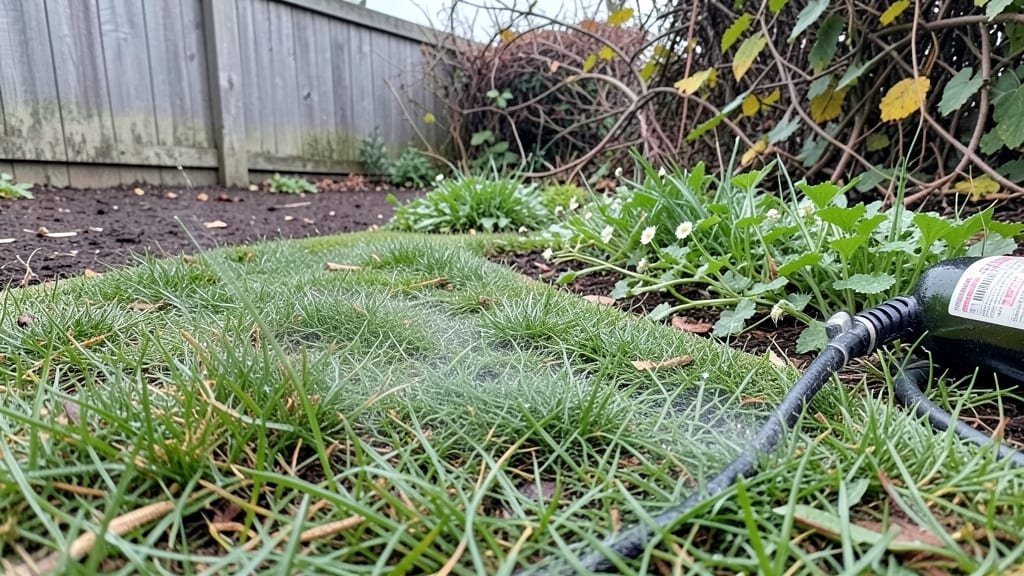
You should never spray Roundup on wet grass, as this practice dilutes the herbicide's potency and increases the risk of chemical runoff, which can damage surrounding plants or contaminate water sources. For best results, apply only to dry grass and follow the label's weather guidelines.
Wet conditions create two major problems: first, the herbicide spreads unevenly across blades of grass, leaving patches untreated.
Second, rain or morning dew washes the chemicals into soil or storm drains before they can work. 🔥 I’ve seen cases where homeowners sprayed in damp conditions only to return days later with stubborn weeds—because the active ingredients simply washed away.
Even if you think the grass is "just a little damp," wait until it’s completely dry to ensure proper absorption and effectiveness.
Beyond performance, safety becomes a concern. When Roundup lands on wet surfaces, it’s more likely to drift onto unintended targets like flower beds or vegetable gardens. The label instructions aren’t just suggestions—they’re designed to protect both your lawn and the environment.
For example, applying in high humidity can cause the spray to cling to leaves instead of penetrating where it needs to go, reducing its weed-killing power by up to 40%.
💡 In This Article
- How Wet Conditions Affect Roundup Performance
- Best Practices for Safe Roundup Application
How wet conditions affect Roundup performance
Here's what actually happens when you spray Roundup on damp grass: the herbicide's active ingredient, glyphosate, relies on direct contact with plant surfaces to work. When grass is wet, water creates a barrier that prevents glyphosate from adhering properly to leaf surfaces.
This chemical needs to stick to plant tissues for 24-48 hours to be absorbed effectively, but moisture causes it to bead up and roll off instead of penetrating. Think of it like trying to paint a wall while it's raining—the paint just slides away before it can bond.
The science gets even more specific with surface tension. Glyphosate formulations contain surfactants that help spread the chemical evenly, but water disrupts this process. In dry conditions, these surfactants create a uniform film that covers weed foliage completely.
However, when grass is wet, the existing water molecules compete with glyphosate for surface area, reducing coverage by up to 30-50%. This explains why you might see some weeds dying while others remain untouched after treatment—uneven application from moisture interference.
Humidity plays a hidden but crucial role too. High humidity slows glyphosate evaporation, which is normally how the chemical moves from the spray droplet into plant tissues. At 70%+ humidity, evaporation rates drop by nearly 50%, leaving droplets to either wash away or form ineffective residues.
The ideal range for application is 50-65% humidity with temperatures between 60-85°F, where evaporation and absorption work in harmony. This is why late afternoon applications often work better than morning ones—warmer temperatures help the chemical penetrate faster.
What most people don't realize is how quickly moisture can ruin your efforts. Even light dew can create a 0.01-inch water layer on grass blades, enough to significantly reduce glyphosate's effectiveness.
The chemical needs to remain on target plants for at least 6 hours after application to work properly, but rain within that window can wash away 80-90% of the herbicide before it's absorbed.
This is why professional lawn care services always check weather forecasts and avoid spraying when rain is predicted within 24 hours.
Consider this real-world example: A homeowner in Texas sprayed Roundup on damp morning grass to kill crabgrass. Three days later, the treated area had patches of dead weeds but many survived. The issue? The 0.2-inch morning dew combined with 85% humidity created ideal conditions for glyphosate runoff.
When they retested with a soil moisture meter, they found only 15% of the recommended glyphosate concentration actually reached the target weeds—explaining why some areas remained unaffected.
The environmental impact adds another layer of concern. When Roundup is applied to wet surfaces, the excess chemical doesn't just disappear—it moves. Rainwater carries it into soil where it can affect beneficial microbes, or worse, into storm drains that lead to lakes and rivers.
Studies show that glyphosate persistence in water increases by 400% when applied to damp conditions versus dry. This isn't just about your lawn's effectiveness—it's about protecting local ecosystems from unnecessary chemical exposure.