
Pruning
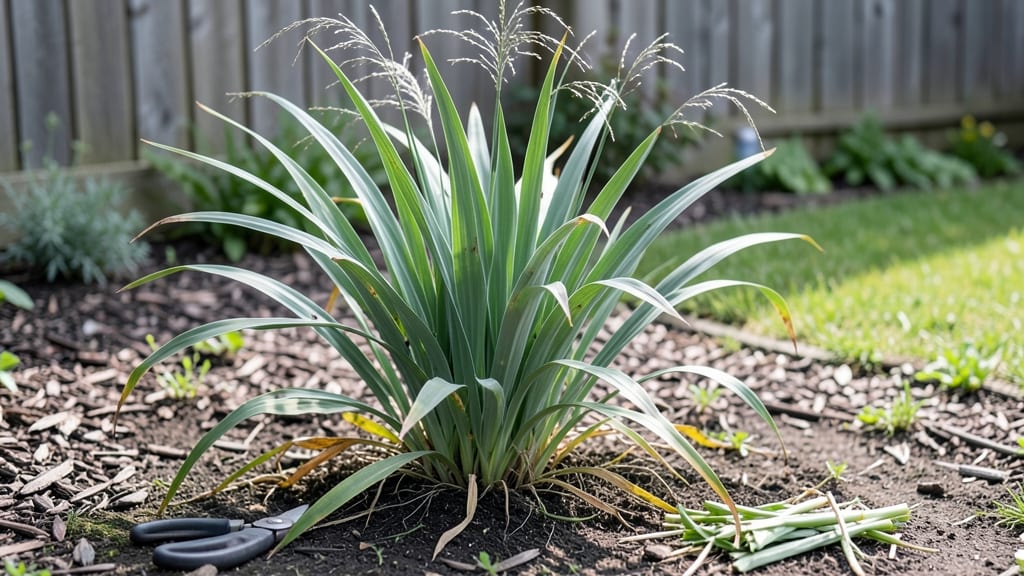
You can trim ornamental grasses in summer only for deadheading spent blooms, as aggressive pruning risks damaging new growth and weakens stems during heat stress. Late summer or early fall is the best time to cut back overgrown varieties like miscanthus or pampas grass to promote fresh spring growth.
Summer is when ornamental grasses are most vulnerable because their energy focuses on growth rather than recovery.
Cutting back too much can disrupt photosynthesis, leaving stems exposed to pests or drought. 🌿 I’ve seen clients accidentally stunt their grasses by trimming in July—waiting until after Labor Day gives the plant time to harden off before winter.
For varieties like maiden grass or fountain grass, even a light trim can reveal old, unsightly stems that won’t regrow until spring.
If you must prune in summer, focus on removing only dead or damaged foliage. Use clean, sharp shears and avoid cutting more than one-third of the plant’s height. After trimming, water deeply and apply mulch to protect roots from heat. This approach minimizes stress while still keeping your garden tidy.
💡 In This Article
- How Summer Trimming Affects Ornamental Grass Growth
- Best Practices for Late-Season Grass Maintenance
How summer trimming affects ornamental grass growth
Here's what's actually happening when you trim ornamental grasses in summer: Their growth cycle is already in full swing, with energy focused on elongating stems and developing new foliage.
Cutting back too aggressively removes the photosynthetic leaves that fuel this growth, leaving the plant to rely on stored energy in its rhizomes—the underground stems that store nutrients.
This disruption can weaken the plant's ability to recover, especially during the peak heat of July and August when temperatures often exceed 90°F for prolonged periods. 🔥
The science behind this involves the plant's source-sink relationship. In summer, leaves act as the "source" (producing energy via photosynthesis) while roots and new shoots are the "sink" (consuming that energy). Trimming removes the source, forcing the plant to divert energy from growth to repair damaged stems.
For example, Miscanthus sinensis (maiden grass) can take 2-3 years to recover from severe summer pruning, while Pennisetum alopecuroides (fountain grass) may never fully regrow if cut back too aggressively.
The lack of foliage also exposes tender stems to UV radiation, which can cause sunburn and make plants more susceptible to fungal infections like rust disease.
What most people don't realize is how timing affects recovery. In spring, ornamental grasses have just emerged from dormancy and are rebuilding their energy reserves. A light trim in late May or early June can actually encourage bushier growth by stimulating lateral shoots.
But by summer, the plant's growth is 80-90% complete, and pruning becomes counterproductive. The exception is deadheading spent blooms, which removes only the flower stalks (about 10-20% of the plant's height) without significantly impacting foliage.
This allows the plant to redirect energy to seed production while maintaining its photosynthetic capacity. 💫
Comparing seasonal growth cycles highlights why fall is the ideal time for pruning. In autumn, grasses begin senescing (aging) as daylight shortens, and their growth slows dramatically.
Cutting back 2-3 inches above the ground in late September or October removes old foliage that could harbor pests over winter while leaving enough energy in the rhizomes for spring regrowth.
For instance, Panicum virgatum (switchgrass) can regrow from 50% of its rhizome system after a fall trim, whereas summer pruning might only yield 10-20% recovery due to heat stress. The key factor is giving the plant time to harden off before winter dormancy.
Disease susceptibility is another critical factor. Summer-pruned grasses often develop brown patch or leaf blight because their exposed stems lack the protective layer of foliage. The relative humidity in summer (often 60-80%) creates the perfect conditions for fungal spores to thrive.
For example, Cortaderia selloana (pampas grass) is particularly vulnerable to powdery mildew after summer cuts, as the dense clumps trap moisture. In contrast, fall-pruned grasses enter winter with cleaner stems and reduced moisture retention, minimizing disease risk. 🌟
Consider these key factors when evaluating your approach: The height-to-width ratio of your grass (taller varieties like Andropogon gerardii need more aggressive trimming), your local climate (drought-prone areas require even more caution), and the age of the plant (young grasses recover faster than mature specimens).
For example, a 3-year-old Miscanthus might bounce back from a fall trim, but the same cut in summer could set it back 1-2 growing seasons. Always prioritize root health over cosmetic appearance—healthy rhizomes are the foundation of vibrant regrowth.
What I've learned from years of gardening is that ornamental grasses are low-maintenance plants, but they do have their limits. The goal isn't to keep them perfectly manicured year-round but to work with their natural growth cycle.
A well-timed fall trim can actually reduce your workload in spring by removing old growth before new shoots emerge. Think of it like giving your grasses a haircut before winter vacation—they'll come back refreshed and ready to grow in the spring. ✨