
Size
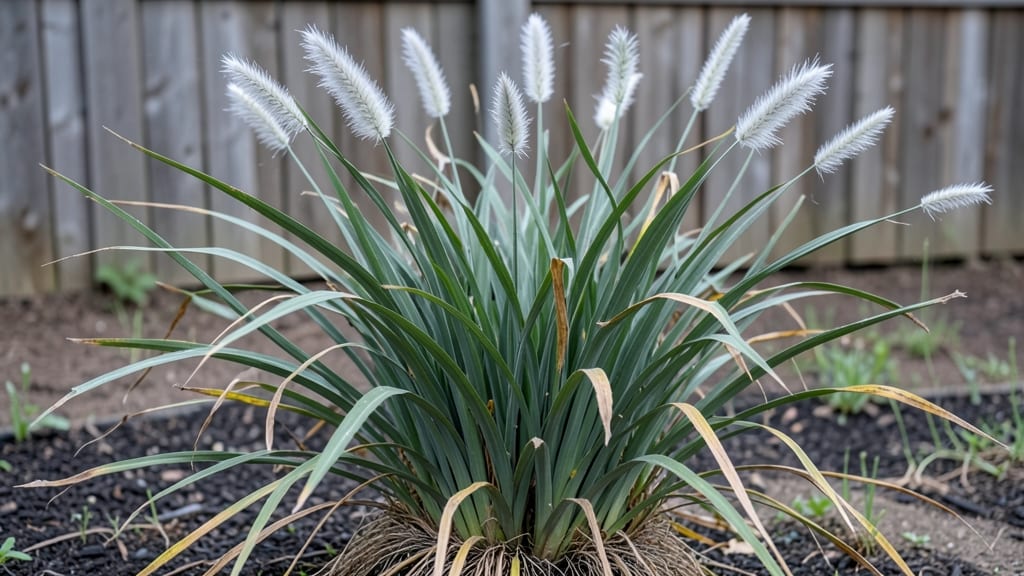
The pampas grass growth rate is remarkably fast, with plants spreading 3 to 6 feet per year under optimal conditions, while mature clumps can reach heights of 6 to 10 feet. Its expansive rhizome system thrives in warm climates with full sun and well-draining soil.
The pampas grass growth rate isn't just about width—it's also about how quickly it establishes dominance in your landscape. 🌿 Once planted, this ornamental grass can double its spread within a few years if left unchecked, especially in regions like the southern U.S. where temperatures stay consistently warm.
The key to managing its rapid expansion lies in understanding its seasonal cycles: while it grows aggressively during spring and summer, it enters dormancy in winter, which gives you strategic windows for containment.
What makes pampas grass particularly challenging is its deep root system, which can push through concrete and spread underground. This means traditional mowing won't stop its expansion—you'll need physical barriers or division techniques to control its reach.
Many gardeners swear by installing buried edging or using root barriers during planting to prevent it from overtaking flower beds or lawns.
💡 In This Article
- Factors Influencing Pampas Grass Spread Speed
- Controlling Pampas Grass Aggressive Growth
Factors influencing pampas grass spread speed
Here's what actually happens underground: Pampas grass (Cortaderia selloana) spreads primarily through its extensive rhizome network, which can extend up to 3-5 feet horizontally in a single growing season.
These underground stems produce new shoots at nodes spaced about 6-12 inches apart, creating a dense mat of growth.
The speed of this expansion is directly tied to soil temperature—roots remain active when soil temps stay above 50°F (10°C), which explains why growth accelerates in southern climates where winter dormancy is minimal.
Sunlight exposure is the single most critical factor in determining growth rate. Pampas grass thrives in full sun (6+ hours daily), where it can achieve its maximum 3-6 feet per year spread.
In partial shade, growth slows dramatically—sometimes by 50% or more—because the plant's energy production via photosynthesis is reduced. The feathery plumes you see are actually seed heads that develop after flowering, but the real growth engine is those hidden rhizomes responding to sunlight intensity. 🌞
Soil drainage makes or breaks pampas grass's expansion plans. This plant despises soggy conditions—waterlogged soil can stunt growth by 70% or more because the roots suffocate. Ideal soil has a pH between 6.0-7.5 and excellent drainage, allowing those rhizomes to spread freely.
In heavy clay soils, growth can become stunted unless you amend with sand or organic matter. The plant's native habitat in South America's pampas region (hence the name) features well-drained soils, which is why it performs poorly in areas with poor drainage.
Water availability creates another critical variable. While pampas grass is drought-tolerant once established, it grows most aggressively when receiving 1-1.5 inches of water weekly during its active growing season (spring through fall).
In arid regions, growth may slow to 1-2 feet per year as the plant conserves resources, but it will still spread faster than most ornamental grasses. The key is that consistent moisture keeps those rhizomes actively growing—drought stress triggers dormancy and reduces expansion rates.
Seasonal dormancy patterns vary dramatically by region. In USDA zones 8-10 (where winters are mild), pampas grass grows year-round with minimal slowdown. But in zones 6-7, cold snaps below 20°F (-7°C) can kill back growth completely, resetting the expansion cycle each spring.
This is why northern gardeners often see more controlled spread—freeze-thaw cycles naturally limit rhizome activity during winter months. 🌡️
What most people don't realize is how humidity affects growth rates. In high-humidity regions (like Florida or Louisiana), fungal diseases can attack the rhizomes, actually slowing expansion by 30-40% compared to drier climates.
The plant's native adaptation to semi-arid conditions means it performs best in moderate humidity—too much moisture creates ideal conditions for root rot, which undermines that aggressive spread.
For a real-world comparison: In California's coastal regions (like San Diego), pampas grass can spread 5-6 feet per year due to perfect conditions—warm winters, dry summers, and full sun.
But in the Pacific Northwest, where summers are cooler and humidity higher, the same plant might only expand 1-2 feet annually. This regional variation explains why growth rates in gardening catalogs often seem inconsistent—what works in Arizona may fail in New England.