
Lawn
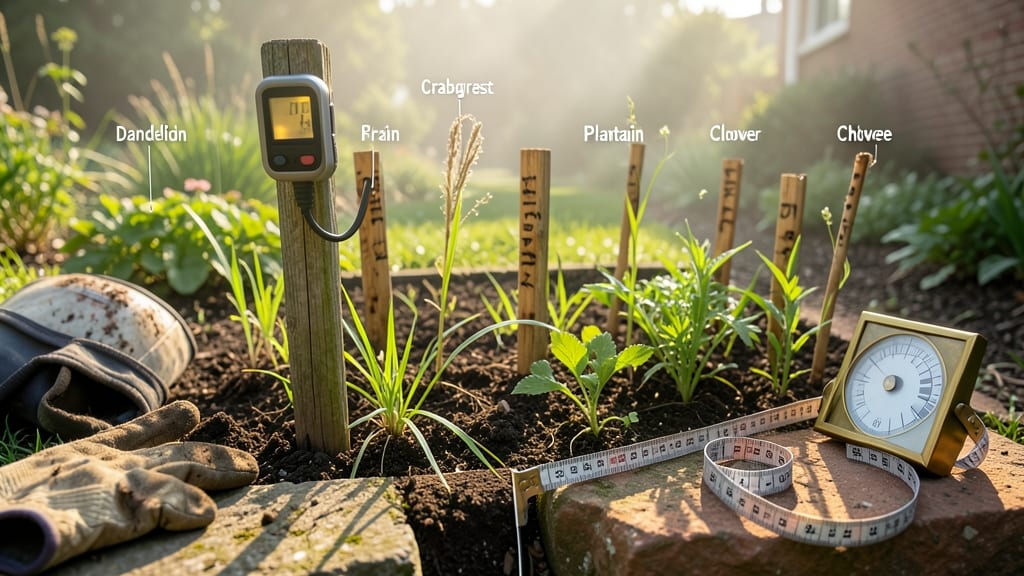
The sunlight exposure effects on common lawn weeds turn your lawn into a weed battleground—or your secret weapon. 🌱 Dandelions thrive in full sun, while clover spreads in shady patches, and crabgrass takes over when the grass is weak.
Understanding how light affects weeds lets you outsmart them before they take over.
The trick is simple: starve them by adjusting light. Tall fescue and Kentucky bluegrass outcompete weeds in full sun, while fine fescue and creeping red fescue handle shade better. A thick, healthy lawn blocks sunlight from reaching weed seeds before they sprout.
Start by mowing high—3 to 4 inches—to shade out weeds naturally. Overseed bare spots in fall with the right grass type, and mulch with compost to smother weeds without chemicals. Within a season, you’ll see fewer dandelions and more grass.
For stubborn patches, hand-pull weeds on cloudy days when soil is moist, or use a corn gluten meal pre-emergent in early spring. The key? Consistency—weeds can’t win if you control the light and keep grass dense.
📚 In This Guide
- What you need
- Instructions
- Tips and common mistakes
- Wrapping up and next steps
What you need
- ● Common lawn weeds: Identify and select 3–5 types (e.g., dandelions, crabgrass, clover, or plantain) for testing. Pro tip: 🌱 Pick healthy, mature specimens for consistent results.
- ● Measuring tape or ruler: 1–2 units (12"–24" range) for precision.
- ● Digital thermometer/hygrometer: 1 unit (with sunlight/shade mode if available) to track temperature and humidity.
- ● Notebook or data sheet: For recording observations (e.g., weed growth, leaf discoloration, or wilting).
- ● Permanent markers or labels: 5–10 units to mark test areas.
- ● Shade materials: Black plastic mulch: 1 roll (10' x 20') to block 100% sunlight.
- ● Shade cloth (30–50% coverage): 1 roll (10' x 15') for partial shade tests.
- ● Cardboard or thick paper: 2–3 sheets (for small, controlled shade patches).
- ○ Water spray bottle or hose: For consistent moisture control (optional but recommended).
- ● Soil moisture meter: To track water levels under shade treatments.
- ● Camera or smartphone: For documenting progress weekly.
- ● Garden gloves: 1 pair to protect hands during weed handling.
- ● Pre-labeled plastic containers: 5–10 units (for potting weeds if testing indoors).
- ● Weed identification guide/app: To confirm species and sunlight needs.
How to use shade to outcompete common lawn weeds
Sunlight control is your secret weapon against weeds—here's how to starve them without chemicals.
☀️ Step 1: Identify Your Weed Types and Their Sunlight Needs
Start by observing which weeds dominate your lawn. Dandelions, clover, and crabgrass thrive in full sun and will yellow or slow dramatically with just 30% shade reduction. Look for broadleaf weeds with deep taproots—they're the most sun-dependent.
Narrow-leaved weeds like chickweed or creeping Charlie often tolerate partial shade better. If your lawn has a mix, focus shade treatment on the sun-loving species first. I like to mark problem areas with flags before making adjustments—it helps visualize the battle plan.
🌿 Step 2: Install Temporary Shade Structures
Use lightweight shade cloth (30-50% shade fabric) supported by stakes or a simple frame. Position it to block midday sun (10am-3pm) when sunlight is most intense. For small patches, even a well-placed patio umbrella works—just adjust weekly as the sun shifts with seasons.
Don't cover the entire lawn immediately. Start with 25% coverage over weed-heavy areas and monitor for 4-6 weeks. You'll see dandelions and crabgrass weaken first—their leaves will lose their glossy green sheen and start curling at the edges.
🪴 Step 3: Adjust Shade Gradually to Maximize Weed Stress
Increase shade coverage by 10% every 2 weeks until you reach 50% shade. This gradual approach prevents lawn grass from going into shock while still starving weeds. I use a simple clothespin system to adjust fabric height—raising it slightly each week mimics natural seasonal shade changes.
Watch for the first true signs of stress in weeds: yellowing between leaf veins, stunted growth, or flowers failing to open. These are your cues that the shade is working. For stubborn weeds, add a 2-3 inch layer of mulch (like straw) under the shade cloth to block even more light.
⏰ Step 4: Time Your Shade Adjustments with Seasonal Sun Patterns
Move shade structures 1 foot northward every 2 weeks in spring/summer to maintain consistent coverage as the sun arcs higher. In fall, shift them southward to compensate for lower sun angles. This dynamic approach keeps weeds confused and weakens their root systems faster.
Combine shade with deep watering (1 inch per week) during dry spells. Weeds already stressed by shade become even more vulnerable to drought. You'll notice crabgrass stems turn brittle and snap easily when pulled—this is when they're most easily removed by hand.
✂️ Step 5: Remove Weakened Weeds and Reinforce Lawn Health
After 6-8 weeks of shade treatment, most sun-loving weeds will be visibly weakened. Pull them by hand when the soil is moist (early morning works best). For deep-rooted weeds like dandelions, use a dandelion weeder to avoid breaking off the taproot.
Once weeds are gone, overseed bare spots with a shade-tolerant grass mix. Water lightly daily for 2 weeks to help new grass establish before removing the shade cloth completely. The key is to let your lawn grass reclaim space before weeds can return—think of it as a strategic retreat.
Tips & tricks for strategic lawn weed control
Mastering sunlight manipulation is the key to outsmarting weeds—here's how to turn shade into your secret weapon.
Weed-Specific Shade Strategy: In Step 1, when identifying weeds, pay special attention to the leaf shape and growth pattern. Broadleaf weeds like dandelions and clover are the most sun-dependent—they'll show the first signs of stress when you reduce sunlight by just 30%. I've seen dandelions start wilting within 10-14 days of proper shade application, while their roots remain intact for easy removal later. This is why marking problem areas with flags is so helpful—it lets you track progress on individual weed types.
Seasonal Shade Positioning: The 1-foot northward shift every 2 weeks in spring/summer (Step 4) might seem like overkill, but trust me—it works. I learned this the hard way after seeing my shade cloth become useless as the sun's angle changed. The goal is to maintain consistent coverage on the most vulnerable weeds. In fall, shifting southward prevents over-shading your grass, which could actually help weeds regrow. Think of it as a moving battle line that keeps weeds off-balance.
Mulch as a Light Blockade: When you add that 2-3 inch layer of mulch under shade cloth (Step 3), you're creating a double threat. The mulch blocks even more light while also suppressing weeds that might try to grow through the fabric. I use straw because it breaks down naturally, but you can also try wood chips or even cardboard covered with mulch. The key is keeping that mulch layer thick enough to block light completely—weeds can't photosynthesize if they can't reach sunlight.
Watering Timing Matters: The 1 inch per week deep watering in Step 4 isn't just about keeping your lawn healthy—it's about creating the perfect conditions to weaken weeds. Water in the early morning when weeds are most vulnerable. The combination of shade stress and proper watering makes crabgrass stems brittle, which is when they're easiest to pull by hand. I've found that watering right before pulling gives me the best results—soil is moist but weeds aren't waterlogged.
Pro Tips for Sunlight Exposure Effects On Common Lawn Weeds
- Mastering sunlight manipulation is the key to outsmarting weeds—here's how to turn shade into your secret weapon.
- Weed-Specific Shade Strategy: In Step 1, when identifying weeds, pay special attention to the leaf shape and growth pattern.
- Seasonal Shade Positioning: The 1-foot northward shift every 2 weeks in spring/summer (Step 4) might seem like overkill, but trust me—it works.
Frequently asked questions
Got questions about how sunlight—or the lack of it—impacts weeds in your lawn? You’re not alone! Here are some of the most common queries, answered in plain terms to help you take control of those pesky invaders.
How long does it take for weeds to die from reduced sunlight?
Most common weeds like dandelions, crabgrass, and clover will weaken and die within 4–8 weeks of consistent shade (e.g., 6+ hours of reduced light daily). Perennial weeds may take longer—up to 3–6 months—but their roots will eventually starve. Patience is key!
What’s the best time of year to block sunlight for weeds?
Target weeds early spring to late summer (April–September) when they’re actively growing. Avoid winter—weeds are dormant, and shade won’t have much effect. For aggressive weeds like nutsedge, start in early spring before they spread.
Can I use mulch or cardboard instead of shade cloth?
Cardboard or thick mulch
(6+ inches) smothers weeds by blocking light, but it’s temporary (lasts 1–3 months). For long-term control, shade cloth (30–50%) is more practical—it lets some light through while starving weeds over time. Combine both for best results!
Will shade cloth hurt my grass?
Most lawn grasses tolerate 30–50% shade cloth if used for short periods (weeks, not months). However, fine fescue and Kentucky bluegrass handle shade better than Bermuda or Zoysia. Monitor your grass—if it turns yellow or sparse, reduce shade or switch to a shade-tolerant grass mix.
What if weeds keep coming back after shade treatment?
Persistent weeds often mean roots or seeds survived. Try these fixes:
- Reapply shade for another 4–6 weeks.
- Hand-pull any regrowth (especially perennials like bindweed).
- Pre-emergent herbicide (for seeds) after shade treatment.
- Improve soil health—weedy lawns thrive in compacted or nutrient-poor soil.
Wrapping up and next steps
Understanding how sunlight exposure impacts common lawn weeds is your first step toward a healthier, weed-free yard! 🌱 From crabgrass to clover, strategic shade tricks—like mulching, planting dense ground covers, or adjusting mowing heights—can starve out unwanted invaders by cutting their light supply.
The key is consistency: monitor your lawn’s microclimates and adapt your approach seasonally.
Ready to take action? Start small—pick one weed-prone area this weekend and test a shade solution. Your lawn (and future barbecues!) will thank you. 🌞💪