
Lawn
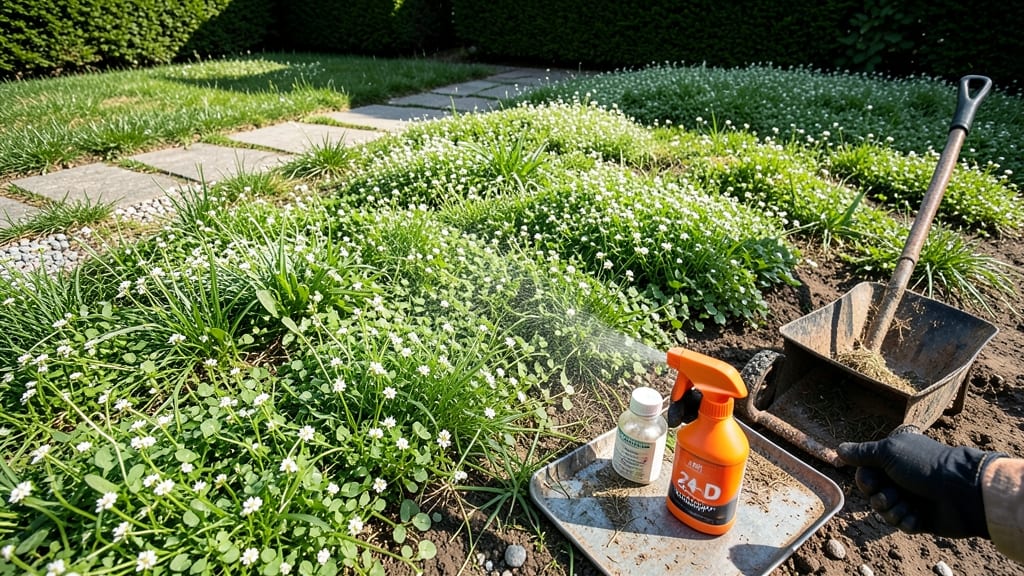
Tired of battling stubborn chickweed in your lawn? This invasive weed spreads quickly, smothering grass and ruining curb appeal. Discover 10 battle-tested removal methods—from natural solutions to chemical-free techniques—that actually eliminate chickweed for good.
Hand-Pulling Chickweed with Gloves
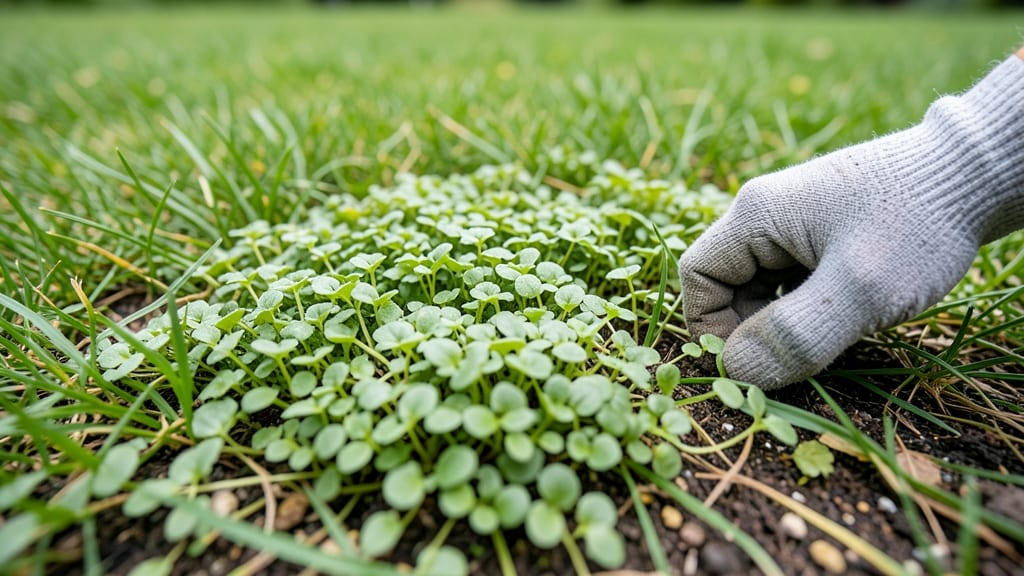
When chickweed first appears as tiny green mats in your lawn, hand-pulling with gloves is the most satisfying way to stop it before it spreads. This method works best for small infestations where you can see individual plants, giving you direct control without harsh chemicals.
Wait until the soil is moist (after rain or watering) to make pulling easier—dry soil causes roots to break, leaving fragments that regrow. Wear gardening gloves to protect your skin from the weed’s mild irritating sap, which can cause rashes on sensitive hands. Grab the plant at the base and pull firmly upward, ensuring you remove the entire root system.
This approach is perfect for organic gardeners who prefer hands-on solutions and want to avoid synthetic herbicides. Plus, it’s a great way to clear weeds without disturbing nearby grass. 🌱
Vinegar Spray for Chemical-Free Killing
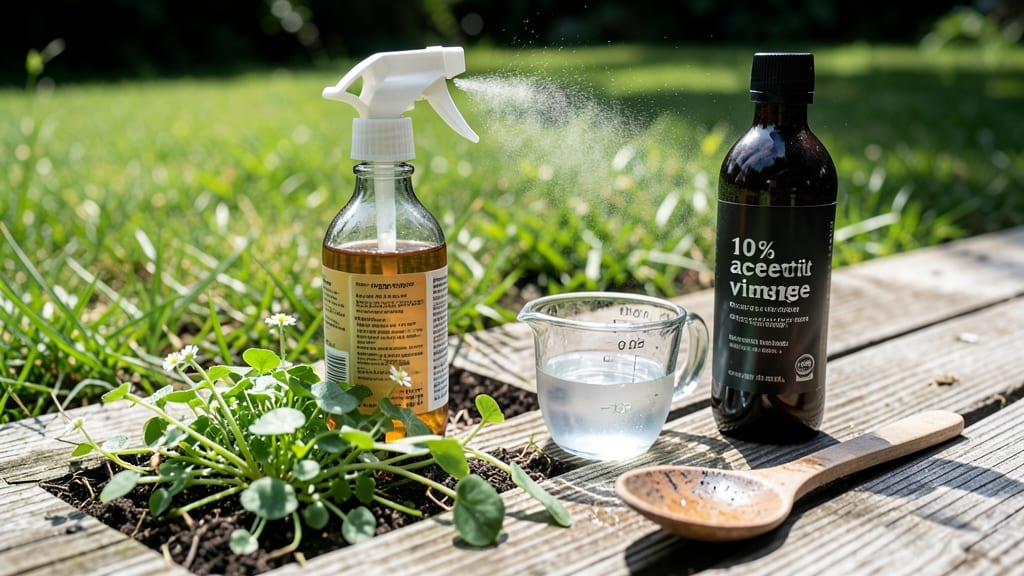
Skip the harsh chemicals—your pantry already holds a powerful chickweed killer. A simple vinegar spray made with 10% acetic acid (the strongest grocery-store variety) delivers fast results by dissolving weed cell membranes on contact, without harming your grass when used correctly.
Mix equal parts vinegar and water in a spray bottle, then apply on a dry, sunny day to avoid drift. The acid works best when leaves are fully saturated, so focus on the chickweed’s broad leaves and stems. Reapply every 5–7 days for stubborn patches, and always spot-test on a small grass area first to confirm safety.
This method is ideal for eco-conscious gardeners who want to avoid synthetic herbicides while still achieving visible results within days. Just remember: vinegar won’t prevent regrowth from seeds, so pair it with overseeding for long-term control. 🌱
Corn Gluten Meal Pre-Emergent Barrier
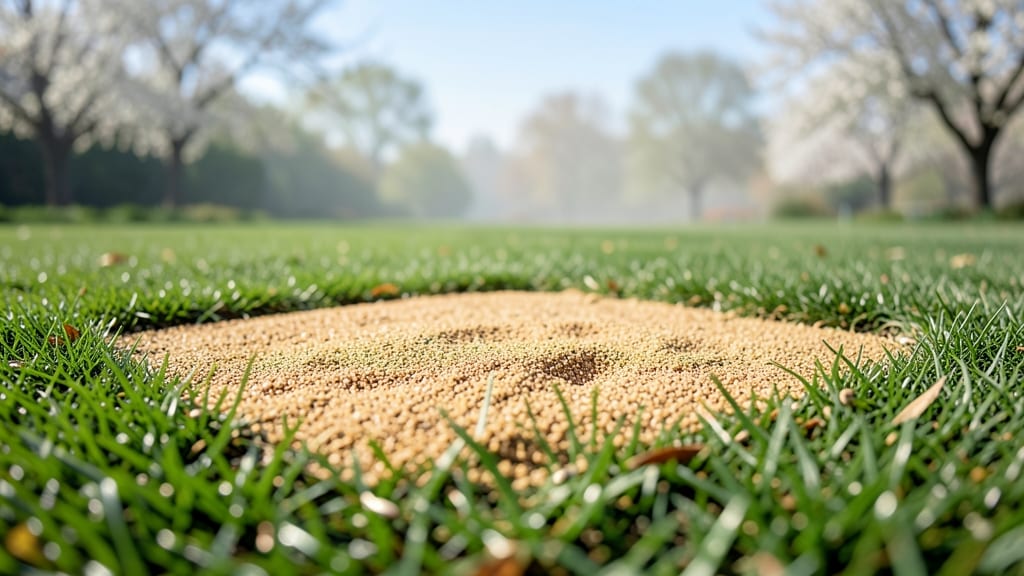
Stop chickweed before it starts with a natural pre-emergent barrier that’s as gentle on your lawn as it is effective. Corn gluten meal disrupts chickweed seeds’ ability to germinate, giving your grass a head start without harsh chemicals. This organic approach is perfect for early spring application, when weeds are just waking up.
Apply 20 pounds per 1,000 square feet as a light top dressing before seeding or when chickweed seeds are dormant. Water lightly to activate the meal, which breaks down into nitrogen, feeding your lawn while blocking weeds. Reapply every 3–4 months for continuous protection, especially in new lawns or areas prone to chickweed.
Ideal for eco-conscious gardeners and those with newly seeded lawns, this method prevents more than just chickweed—it builds healthier soil while keeping your yard weed-free. 🌱
Boiling Water Spot Treatment
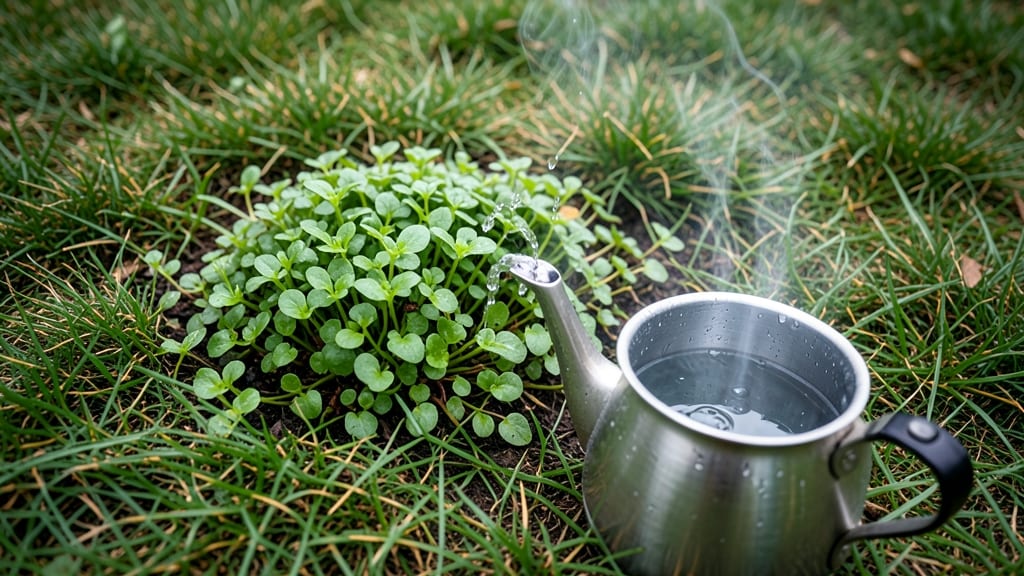
When chickweed pops up in tight clusters but you don’t want to drag out the vinegar spray or dig through the soil, boiling water delivers an instant, surgical strike. This method works by instantly killing the plant cells—no chemicals, no waiting, and no collateral damage to surrounding grass.
Simply boil water (about 1-2 gallons), then carefully pour it directly onto the localized chickweed patches while avoiding healthy grass. The heat disrupts the weed’s cellular structure within seconds, and you’ll see immediate wilting. For best results, treat on a dry, sunny day when the weeds are actively growing. This approach is ideal for sidewalks, driveways, or small lawn sections where precision matters.
Perfect for gardeners who want a fast, chemical-free solution without the hassle of hand-pulling or waiting for slow-acting treatments. Just be cautious—hot water can damage nearby plants if not applied carefully. 💡
Solarization for Large Chickweed Patches
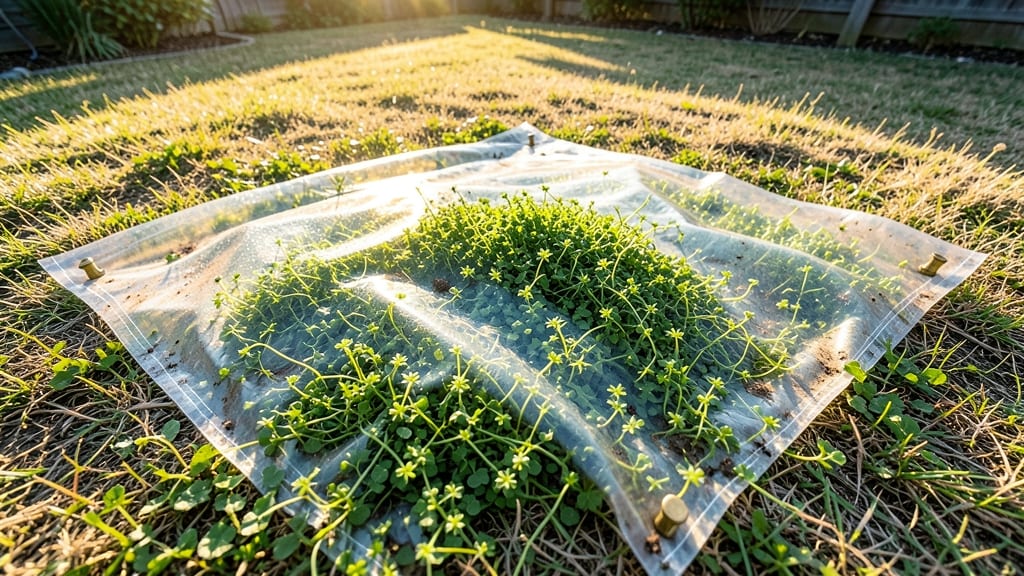
When your lawn is overrun with chickweed and manual methods feel impossible, solarization becomes your secret weapon. This passive, sun-powered technique works by trapping heat under clear plastic to cook weeds—including stubborn chickweed—right out of the soil.
Lay down clear plastic sheeting (at least 1–2 mil thick) over the infested area, securing edges with soil or bricks. Leave it for 4–6 weeks during hot, sunny weather (ideal temperatures: 85°F+). The trapped heat kills chickweed roots and seeds while improving soil structure—no chemicals needed. Best for large patches in neglected lawns where other methods fall short.
This method is perfect for gardeners in warm climates who prefer low-effort solutions. Just remember to remove any remaining debris after treatment and reseed with grass for a fresh start. 💚
Salt and Soap Weed Killer Mix
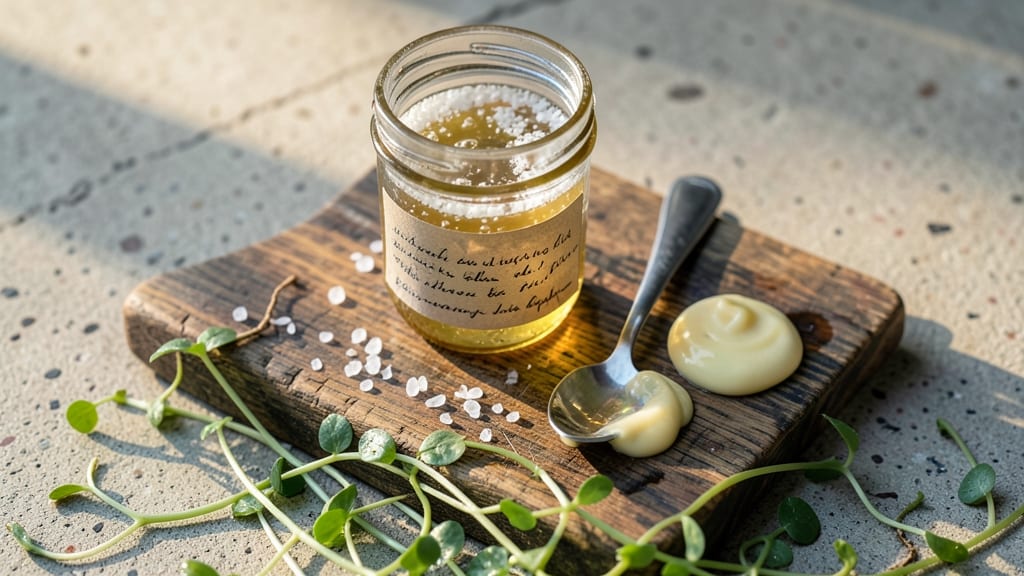
When you need a fast, budget-friendly way to tackle chickweed without harsh chemicals, a salt and soap mix delivers double-duty results. The coarse salt dehydrates the weed’s roots while the dish soap clings to leaves, breaking down their protective membranes for a two-pronged attack.
Mix 1 cup of coarse salt with 1 tablespoon of dish soap in a spray bottle, then apply directly to chickweed on a dry, sunny day. Reapply every 3–4 days until the weeds turn crispy and brown—avoid spraying grass to prevent salt damage. This method works best for small to medium patches and is ideal for gardeners who prefer natural, pantry-based solutions.
Perfect for those with limited tools or tight budgets, this DIY approach gives you control without the need for specialty equipment. Just remember: precision is key to keeping your lawn lush. 💡
Preventative Thick Grass Overseeding
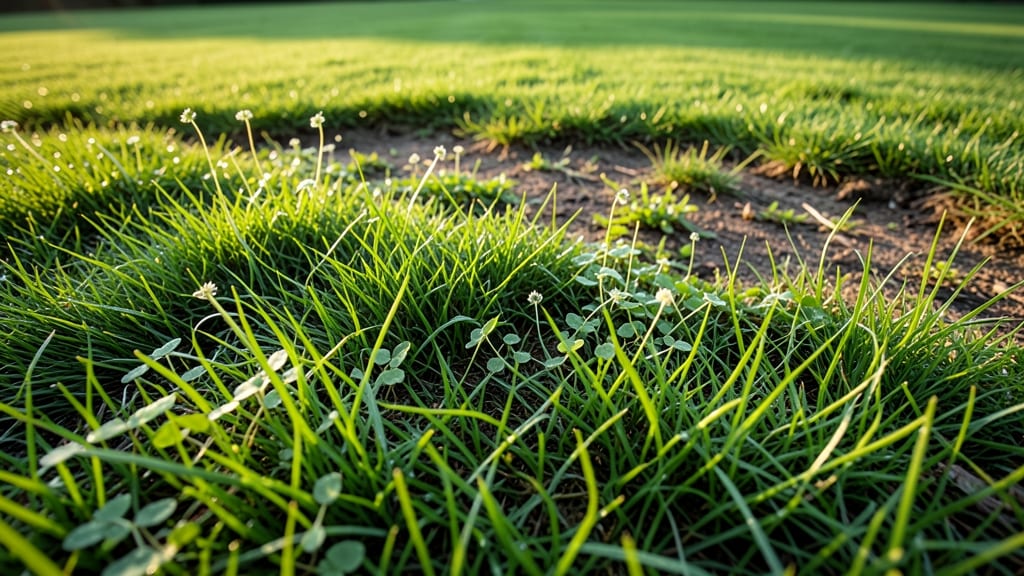
If you’ve tried spot-treating chickweed but it keeps creeping back, the real fix lies in thickening your grass—not just killing weeds. Chickweed exploits thin lawns, so overseeding with dense varieties like tall fescue or perennial ryegrass creates a natural barrier that crowds out weeds before they take hold.
Time your overseeding for early fall when soil is warm and moisture levels are ideal. Choose cool-season grasses that establish quickly and fill gaps left by thinning grass. A high-quality seed blend with at least 80% fine fescue or ryegrass ensures rapid germination and outcompetes chickweed for sunlight and nutrients.
This method is ideal for homeowners who want long-term prevention without chemicals. A lush lawn not only blocks chickweed but also reduces future weed seeds from germinating. 🌱
Dandelion Chickweed Vinegar Spray
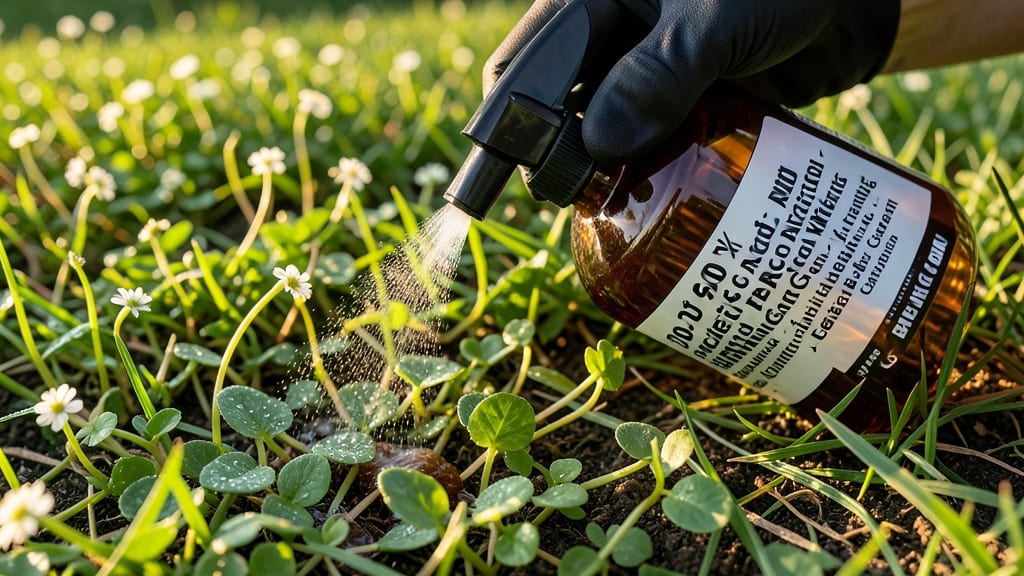
When chickweed has taken over your lawn and manual methods feel hopeless, a commercial-grade vinegar spray (20–30% acetic acid) is your heavy artillery. Unlike household vinegar, this potent solution penetrates deep into stubborn weeds, dissolving their cellular structure for a fast, chemical-free kill.
Use a pump sprayer for even coverage—focus on the leaves and stems in dry, sunny conditions (avoid windy days to prevent drift). Reapply every 3–5 days until the chickweed turns crispy brown. This method works best for large, established patches where precision matters, offering a stronger alternative to diluted vinegar sprays.
Perfect for gardeners who want fast results without synthetic herbicides, this approach is ideal for urban lawns or high-traffic areas where chickweed is a persistent nuisance. Just be cautious near desirable plants—test a small area first! 🌟
Mulching with Cardboard and Compost
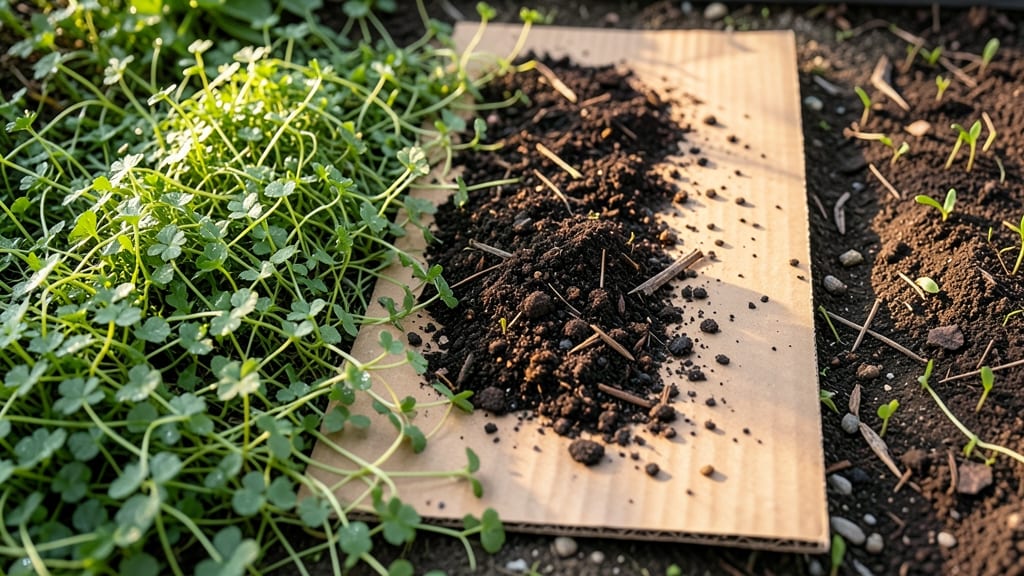
Transforming a chickweed-overrun area into a thriving garden bed doesn’t require harsh chemicals—just a simple, two-layer strategy. By smothering weeds with cardboard and enriching the soil with compost, you create a weed-blocking barrier while preparing the ground for new plantings.
Start by laying down flat cardboard (no tape or glossy ink) over the infested area, ensuring it overlaps edges to block all light. Then, top with a 4-6 inch layer of compost, which will break down over time, adding nutrients while keeping weeds suppressed. This method works year-round, even in cooler months, and is perfect for gardeners transitioning lawns to flower beds or vegetable patches.
Perfect for urban gardeners or those with limited time, this approach doubles as a soil amendment—no digging required! Just add mulch on top to keep the layers in place. 🌱
Professional Herbicide for Severe Cases

When chickweed has taken over your entire lawn—especially after construction or on large properties—targeted herbicides like 2,4-D or triclopyr are your heavy artillery. These selective herbicides attack chickweed while preserving grass, but they require precision to avoid drift or damage to nearby plants.
Apply these herbicides on a calm, wind-free day using a pump sprayer with a fine nozzle for even coverage. Focus on active growth periods (spring or fall) when chickweed is most vulnerable. Always follow label instructions for dilution rates and safety precautions, including wearing gloves and protective eyewear.
This method is ideal for landscapers, property managers, or homeowners with expansive lawns where organic solutions would be impractical. For best results, combine herbicide treatment with post-application overseeding to restore grass density. ✨