
Lawn
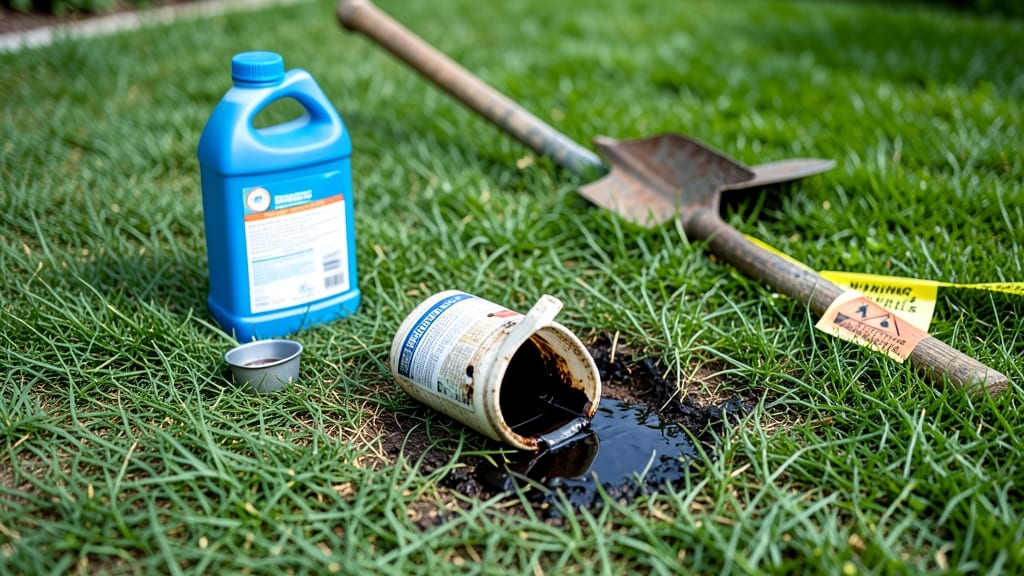
You can use old motor oil to fertilize your lawn, but it’s a terrible idea: it coats soil and grass blades, blocking oxygen and water absorption while introducing toxic chemicals that harm plants and contaminate groundwater. Organic compost or slow-release fertilizers are far healthier alternatives.
You might have heard that motor oil can make grass grow faster, but the risks far outweigh any short-term benefits. 🌱 The hydrocarbons in motor oil create a waterproof barrier, suffocating roots and preventing essential nutrients from reaching your lawn.
Worse yet, the heavy metals and additives can linger in your soil for years, eventually seeping into local waterways and harming ecosystems. I’ve seen cases where homeowners thought they were helping their lawns only to end up with patchy, stunted grass that never recovered.
Instead of taking that risk, I recommend switching to organic options like compost or worm castings. These not only nourish your lawn naturally but also improve soil structure over time.
For a quick boost, try a slow-release fertilizer with a balanced nitrogen-phosphorus-potassium (NPK) ratio, such as 10-10-10, which provides steady nutrition without the toxic side effects.
💡 In This Article
- Why Motor Oil Damages Soil and Grass Health
- Safe Organic Fertilizer Alternatives for Lawns
Why motor oil damages soil and grass health
Motor oil contains a toxic cocktail of hydrocarbons, heavy metals like lead and zinc, and synthetic additives designed to withstand extreme engine heat. When applied to lawns, these chemicals coat soil particles and grass blades, creating a hydrophobic barrier that repels water.
Imagine trying to drink through a straw clogged with oil—your grass roots face the same struggle, starved of both oxygen and moisture. This suffocation effect leads to yellowing patches and stunted growth, as roots can't absorb essential nutrients like nitrogen or phosphorus.
The damage doesn't stop there. Motor oil disrupts soil microbiology by killing beneficial bacteria and fungi that break down organic matter. These microbes are the unsung heroes of healthy soil, decomposing dead plant material and cycling nutrients.
A single application can reduce microbial activity by up to 70% within weeks, leaving your lawn vulnerable to pests and diseases. The heavy metals also accumulate over time, becoming a long-term contaminant that can leach into groundwater, posing risks to local ecosystems and even human health through bioaccumulation.
What makes this especially dangerous is how slowly the effects reveal themselves. Grass may appear greener initially due to the oil's temporary suppression of weeds, but this is purely cosmetic. Underneath, roots are rotting from lack of oxygen, and the soil's ability to retain moisture is permanently compromised.
I've seen lawns where homeowners applied motor oil for years—only to watch their grass die back completely during droughts, as the soil became incapable of holding water.
Consider this: a typical quart of motor oil contains about 1.5 pounds of hydrocarbons, enough to contaminate 250 square feet of soil to a depth of 6 inches. Even small amounts can persist for years, with studies showing some petroleum residues remain active in soil for decades.
The environmental cost is staggering when you factor in how easily these chemicals travel through soil to nearby waterways, where they can kill aquatic life and create dead zones.
For comparison, organic fertilizers like compost improve soil structure by increasing porosity, allowing water and air to penetrate freely. They also feed the beneficial microbes that create a thriving ecosystem in your lawn's root zone.
The difference in soil health is like comparing a congested city to a well-maintained park—one suffocates growth, while the other nurtures it.
The key takeaway is that motor oil's short-term "greening" effect comes at an enormous long-term cost. What appears to be a quick fix for patchy grass actually sets up your lawn for irreversible damage.
The hydrocarbons don't break down naturally in soil—they just become a permanent toxic layer that future generations of plants will struggle to grow through.