
Plants
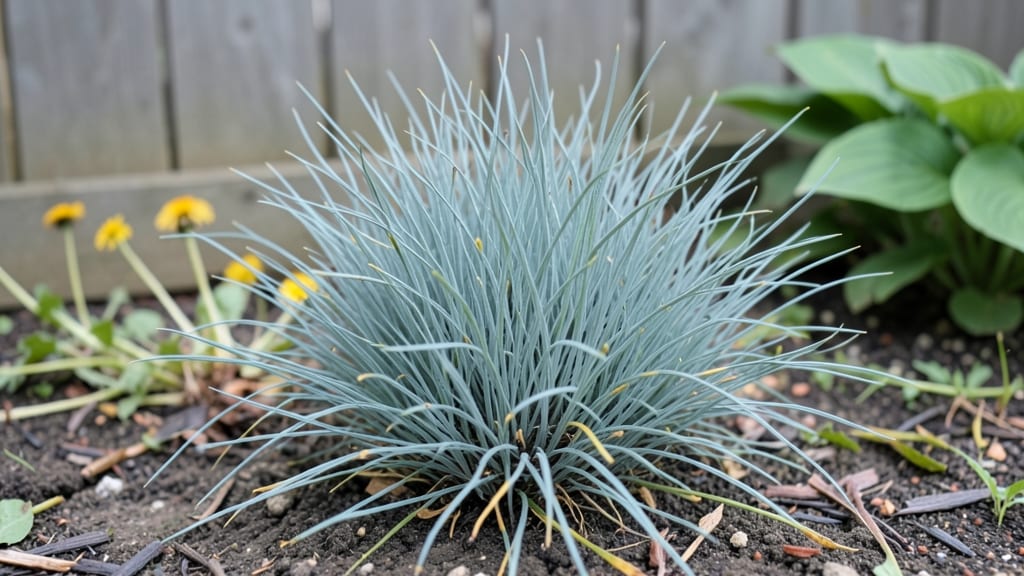
Blue fescue grass care starts with understanding why this drought-resistant stunner thrives where most plants fail. I’ve grown it for years in my hot, dry climate, and it’s become the showstopper of my garden—steel-blue tufts that stay crisp even in summer’s peak.
The secret lies in its love for well-draining soil and full sun, paired with watering that mimics nature’s rhythms rather than a strict schedule.
You’ll need just three things to keep it happy: a sunny spot with at least 6 hours of direct light daily, soil that drains like a sieve (amend heavy clay with sand or gravel), and a watering can or drip system to avoid soggy roots.
Overwatering is its kryptonite—once established, it survives on rainfall alone. Pruning is simple too: snip back any browned growth in early spring, and you’ll encourage fresh, vibrant new shoots.
What you’ll end up with is a textured, low-maintenance groundcover that stays lush through winter and never needs mowing. The blue-gray foliage contrasts beautifully with roses, lavender, or even dark-leaved heucheras, and it stays compact without spreading like aggressive grasses.
Plus, deer and rabbits leave it alone—another win for lazy gardeners.
Here’s the best part: it handles heat, drought, and poor soil like a champ, making it perfect for rock gardens, slopes, or even container plantings. Just avoid rich, fertile soil (it prefers lean conditions), and you’re golden. Ready to turn your garden into a blue-hued masterpiece with almost no effort?
📚 In This Guide
- What you need
- Instructions
- Tips and common mistakes
- Wrapping up and next steps
What you need
- ● Blue fescue grass seeds or sod: Choose high-quality, certified seeds (e.g., Festuca glauca) or pre-grown sod for instant results. Quantity: ~1 lb of seed covers ~100 sq. ft.
- ● Well-draining soil: Blue fescue prefers sandy, alkaline soil (pH 6.5–7.5). Amend heavy clay with perlite or coarse sand.
- ○ Compost or organic fertilizer: A balanced, slow-release formula (e.g., 10-10-10) or compost to enrich soil. Optional: Bone meal for phosphorus boost.
- ● Garden gloves & knee pads: Protect your hands and knees during planting and maintenance.
- ● Watering can or hose with a gentle spray nozzle: Blue fescue hates soggy roots—avoid overhead watering.
- ● Pruners or shears: Sharp, clean tools for trimming dead growth (sterilize with rubbing alcohol).
- ○ Mulch (optional): Lightweight mulch (e.g., gravel or straw) to retain moisture and suppress weeds.
- ● Soil pH test kit: Ensure your soil’s alkalinity is ideal for blue fescue.
- ● Drip irrigation system: For automated, efficient watering (especially in dry climates).
- ● Edging tools: Define borders neatly if planting in containers or garden beds.
- ● Fungicide (preventative): Use sparingly if your area is prone to fungal issues.
Instructions for growing and maintaining blue fescue grass
Here's the straightforward approach I've used to keep blue fescue thriving with almost no effort.
Establish the Right Soil and Planting Conditions
Blue fescue prefers well-draining soil with a slightly alkaline pH between 6.0 and 7.5. If your soil is heavy clay, mix in 2-3 inches of coarse sand or perlite to improve drainage before planting. This grass tolerates poor soil but grows best in loamy, sandy, or rocky conditions where water doesn't pool.
Plant blue fescue in full sun to partial shade, with at least 6 hours of direct sunlight daily. In hot climates, afternoon shade helps prevent leaf scorch. The best time to plant is in early spring or fall when temperatures are mild. Space plants 6-12 inches apart to allow for air circulation, which reduces fungal risks.
Water Sparingly and Only When Necessary
Blue fescue is famously drought-resistant, but proper watering during establishment is key. Water deeply once a week for the first 4-6 weeks after planting to encourage deep root growth. Once established, water only when the soil feels bone-dry 2-3 inches below the surface. Overwatering causes root rot, so always let the soil dry out completely between waterings.
During extreme drought, you may see the grass turn blue-gray—this is normal and temporary. Water lightly if the foliage looks crispy, but avoid soggy soil. Mulch with 1-2 inches of gravel or coarse bark to retain moisture and suppress weeds without smothering the grass.
Prune and Maintain for a Neat Appearance
Shear blue fescue in early spring before new growth begins to shape the plant and encourage bushiness. Use sharp shears to cut back one-third of the plant's height at a time. Avoid cutting into old, woody stems, as this can harm the plant. If you notice leggy growth, trim the stems back to 2-3 inches above the base to promote denser regrowth.
Remove any dead or discolored foliage throughout the year to keep the plant looking tidy. Blue fescue doesn’t need frequent pruning—just a light trim once or twice a year keeps it looking its best. Never fertilize, as this grass thrives in lean soil and excessive nutrients cause weak, floppy growth.
Protect Against Pests and Diseases
Blue fescue is generally pest-resistant, but watch for scale insects or spider mites in dry conditions. If you spot sticky residue on leaves or webbing, spray the plant with neem oil or insecticidal soap to control infestations. Avoid chemical pesticides, as they can harm beneficial insects and the grass itself.
Fungal diseases like powdery mildew can occur in humid, shaded areas. Improve air circulation by spacing plants properly and avoid overhead watering. If mildew appears, remove affected leaves and treat with a copper fungicide if necessary. Most issues can be prevented by keeping the soil dry and the plant in full sun.
Tips & tricks for perfect blue fescue grass care
These simple strategies will help you keep your blue fescue looking lush and vibrant with minimal effort.
Soil Preparation: Before planting, test your soil's pH using a simple kit from your garden center. Blue fescue thrives in slightly alkaline conditions between 6.0 and 7.5. If your soil is too acidic, you can raise the pH by mixing in crushed limestone according to package instructions. This grass is forgiving, but proper soil preparation makes all the difference in its long-term health and appearance.
Planting Timing: I've found that planting in early spring or fall gives blue fescue the best chance to establish strong roots before extreme weather. In hot climates, avoid planting during peak summer months when soil temperatures can stress young plants. The 6 hours of daily sunlight mentioned in the instructions is crucial—if your yard has afternoon shade, position your plants to get morning sun instead.
Watering Strategy: During those first critical 4-6 weeks, I recommend using a moisture meter to check soil dryness at 2-3 inches deep. This helps you avoid both underwatering and overwatering. For established plants, I've switched to drip irrigation on a timer set for 10 minutes every other week, which gives consistent moisture without the risk of overwatering. This mimics natural rainfall patterns perfectly.
Pruning Precision: When you're ready to shear in early spring, take a close look at your plants before cutting. If you notice any brown or woody stems at the base, trim those back first to about 2-3 inches above the ground. This prevents them from becoming a permanent eyesore. For the rest of the plant, cut back one-third at a time—this gradual approach encourages bushier growth rather than shocking the plant.
Pro Tips for Care Of Blue Fescue Grass
- These simple strategies will help you keep your blue fescue looking lush and vibrant with minimal effort.
- Soil Preparation: Before planting, test your soil's pH using a simple kit from your garden center.
- Planting Timing: I've found that planting in early spring or fall gives blue fescue the best chance to establish strong roots before extreme weather.
Frequently asked questions
How often should I water blue fescue grass?
Once established (after 2–3 years), blue fescue thrives on very little water—think once every 2–4 weeks during dry spells. Water deeply (1–2 inches) at the base to encourage deep root growth. Overwatering is the #1 killer, so let the soil dry out between waterings. Pro tip: Mulch lightly to retain moisture without smothering the grass.
When is the best time to trim blue fescue?
Trim in early spring or late fall (never cut more than one-third of the grass height at a time). Avoid mowing during summer dormancy—it stresses the plant. Use sharp shears or a lawnmower set high (3–4 inches) to maintain its signature tufted look. Warning: Never trim wet grass—it dulls blades and tears foliage.
Does blue fescue need full sun?
While it prefers full sun (6+ hours/day), blue fescue tolerates partial shade (3–6 hours). In shadier spots, growth may be slower, and color may fade to a softer green. If planting in shade, choose a sheltered location to avoid fungal issues from poor airflow. Bonus: It’s perfect for rock gardens or slopes where other grasses struggle!
How do I get rid of weeds in blue fescue?
Weeds hate blue fescue’s dense, competitive growth—but they still sneak in! Hand-pull weeds early (before they seed) or use a hula hoe for larger patches. Avoid herbicides (they’ll kill your grass too). For stubborn weeds, apply corn gluten meal in fall to prevent germination naturally. Remember: Consistency is key—check soil monthly for intruders.
Does blue fescue survive winter?
This cold-hardy grass handles USDA Zones 3–9 with ease. In winter, it may turn brown (normal dormancy), but it always greens up in spring. For extra protection in harsh climates, add a light layer of straw mulch (1–2 inches) around the base. Fun fact: It’s one of the few grasses that improves with age—older clumps get even more vibrant!
Can I grow blue fescue in containers?
Yes! Blue fescue is ideal for containers—just use a well-draining mix (like cactus/succulent soil) and a pot with drainage holes. Choose a shallow but wide container (12+ inches in diameter) to mimic its natural spreading habit. Group 3–5 clumps together for a fuller look. Tip: Rotate pots occasionally for even growth.
Wrapping up and next steps
Caring for blue fescue grass is a rewarding journey that brings year-round beauty with minimal effort—perfect for busy gardeners or drought-prone areas! 🌿 With the right tools, a few simple steps, and a little patience, you’ll enjoy its striking blue-green hues and resilience for seasons to come.
Whether you’re tackling watering, mowing, or pest control, remember: consistency is key, and this hardy grass will thank you with vibrant, low-maintenance charm.
Ready to transform your space? Start small—plant a patch, experiment with care techniques, and watch your blue fescue thrive! Share your progress or ask questions in gardening communities for extra tips. Happy growing! 🌱