
Lawn
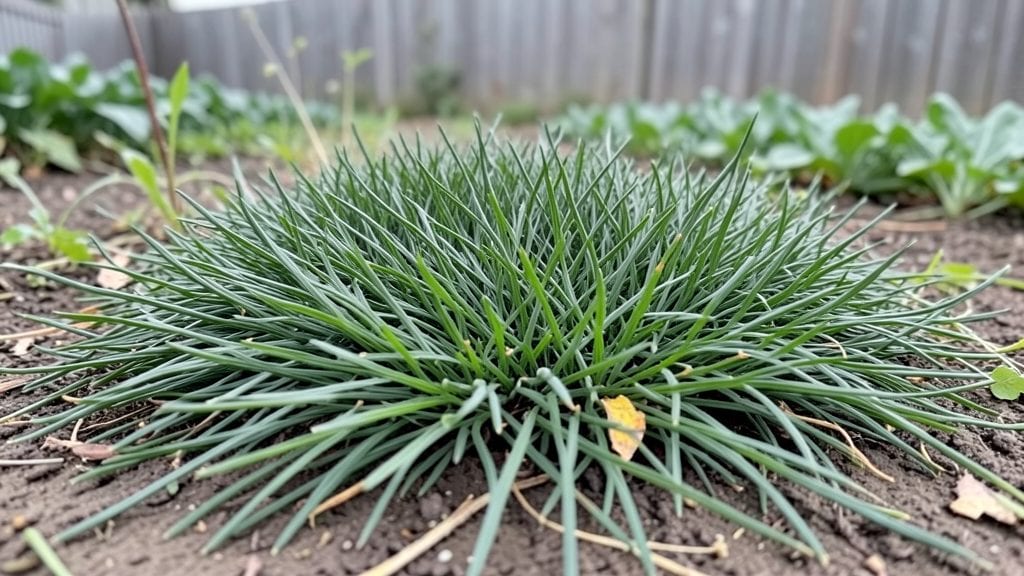
Mastering carpet grass runners 🌿 is the secret weapon for a lawn that fills in faster than weeds take over.
Struggling to fill bare spots in your lawn? Carpet grass runners—nature’s own lawn-filling tool—can transform patchy grass into a lush, green carpet in just weeks. But how do you maximize their spreading potential for the fastest, densest results?
This low-maintenance grass thrives in USDA Zone 6a and beyond, spreading effortlessly when given the right conditions. The key lies in understanding how to encourage those runners to stretch and root, turning thin patches into thick, weed-resistant coverage.
In this guide, I’ll walk you through proven techniques to boost runner growth, from soil prep to watering schedules, so your lawn fills in faster than ever—without the guesswork.
How carpet grass runners spread: science-backed growth patterns
Carpet grass (Axonopus affinis) spreads using two key biological structures: stolons (above-ground runners) and rhizomes (underground stems). These natural extensions allow the grass to fill bare spots efficiently, creating that coveted dense, weed-resistant lawn.
Understanding how these runners function is the first step to harnessing their full potential for rapid lawn repair.
The stolons of carpet grass grow horizontally along the soil surface, forming new roots and shoots at nodes every 6-12 inches. Meanwhile, rhizomes grow underground, creating a robust root network that stabilizes the grass and improves drought resistance.
Together, these structures allow carpet grass to spread 2-3 times faster than many other lawn grasses under optimal conditions.
To maximize runner production, focus on three critical factors: sunlight exposure, soil moisture, and nutrient availability. Carpet grass thrives in full sun (6+ hours daily) but can tolerate partial shade, though its spreading rate slows significantly.
The ideal soil type is loamy and well-draining, with a pH between 6.0 and 7.0—slightly acidic to neutral—though it adapts to a range of soil conditions.
Moisture plays a pivotal role in runner development. While carpet grass is moderately drought-tolerant once established, consistent moisture during the active growing season (spring and fall) encourages stolon and rhizome growth.
Aim for 1-1.5 inches of water per week, either from rainfall or irrigation, to maintain optimal soil moisture without waterlogging.
Seasonal growth cycles dictate when carpet grass runners spread most aggressively. In spring (April-May), as temperatures rise and frost recedes, stolons begin elongating rapidly. This is your prime window for propagation or encouraging natural spread.
By late summer, growth slows due to heat stress, and runners may go dormant until cooler fall temperatures return.
Identifying healthy runners is essential for successful propagation. Look for vigorous stolons that are green and flexible, not brown or brittle. Healthy runners should have small nodes (growth points) every 4-6 inches, indicating active growth.
Avoid using runners from stressed plants, as they’ll produce weak offspring with limited spreading potential.
Accelerating runner spread during optimal windows involves strategic interventions. For example, lightly fertilizing with a balanced 10-10-10 NPK in early spring stimulates stolon production. Pair this with mowing at 1.5-2 inches to encourage lateral growth rather than vertical shoot development.
Additionally, watering deeply in the morning reduces evaporation and supports root and stolon development.
Common missteps can hinder runner spread. Over-fertilizing with high nitrogen can promote leafy growth at the expense of stolons, while scalping the lawn (mowing too short) damages runners and stresses the plant.
Similarly, compacting soil through heavy foot traffic or machinery restricts rhizome expansion, limiting the grass’s ability to fill gaps naturally.
For best results, time your propagation efforts to align with the grass’s natural growth cycles. In early spring, lay healthy stolons directly onto prepared soil, securing them lightly with pins or small rocks until roots establish.
By mid-fall, runners will have spread significantly, creating a dense ground cover that chokes out weeds and prepares for winter dormancy.
Monitor your lawn’s progress by observing stolon length and root development. A well-established carpet grass lawn will show stolons extending 12+ inches within 6-8 weeks of optimal growing conditions.
Use this as a benchmark to adjust your care routine—whether it’s increasing water during dry spells or adding compost to improve soil structure.
🌱
Understanding the science behind carpet grass runners empowers you to create a lawn that fills bare spots naturally and efficiently. By aligning your care routine with the grass’s growth patterns—prioritizing sunlight, moisture, and seasonal timing—you’ll unlock its full potential for rapid, dense coverage.
Start with healthy stolons, maintain optimal growing conditions, and watch your lawn transform into a lush, weed-resistant carpet in record time.
🌿
5 Proven techniques to encourage faster carpet grass runner spread
Want your carpet grass to spread like wildfire? The key lies in understanding how to optimize its natural runners—those horizontal stems that create dense, weed-blocking coverage. Unlike aggressive spreaders like Bermuda, carpet grass runners grow steadily when given the right conditions.
The secret? A mix of smart mowing, targeted fertilization, and strategic watering that mimics its native tropical habits.
Most gardeners unknowingly stifle growth by over-mowing or under-watering, leaving patches bare. But with these five science-backed techniques, you can double—or even triple—the spread rate of your carpet grass within a single growing season. The best part? These methods require minimal extra effort once you set them up.
Cutting too short (1 inch) severs runners, slowing spread. Taller grass shades soil, keeping roots cool and runners active.
1 inch of water per week encourages root and runner growth. Early morning watering prevents fungal issues while keeping soil consistently moist.
Use a 10-10-10 NPK fertilizer in spring and early fall to boost runner production. Avoid phosphorus-heavy mixes—they promote roots over spread.
In spring, gently pull healthy runners (with nodes) from thick patches and lay them over bare soil. Secure with landscape pins until roots form (2-3 weeks).
Too much fertilizer burns runners, while scalping (mowing <1 inch) weakens growth. Stick to light, frequent feedings and adjust mower blades seasonally.
One of the biggest mistakes I see is over-fertilizing in summer. Carpet grass goes dormant in heat, and excess nutrients just burn the runners. Instead, focus on spring and fall feedings when growth is most active. Pair this with deep watering, and you’ll see runners thicken within weeks.
For manual propagation, timing is everything. The best window is after the last frost but before 90°F heat. Lay runners on bare soil, ensuring nodes touch the ground—they’ll root in 10-14 days if kept moist. This method fills gaps 3x faster than waiting for natural spread.
Pro tip: If your carpet grass is slow to spread, check the soil pH. Ideal levels are 6.0-7.0. Test your soil—acidic conditions (below 5.5) stunt runner growth. Amend with lime if needed, but do it in early spring to avoid disrupting dormant runners.
With these techniques, your carpet grass will spread like a green carpet—filling bare spots, crowding out weeds, and giving you that luxurious, low-maintenance lawn you’ve been dreaming of. Start with just one method this season, and watch the difference! 🌿