
Lawn
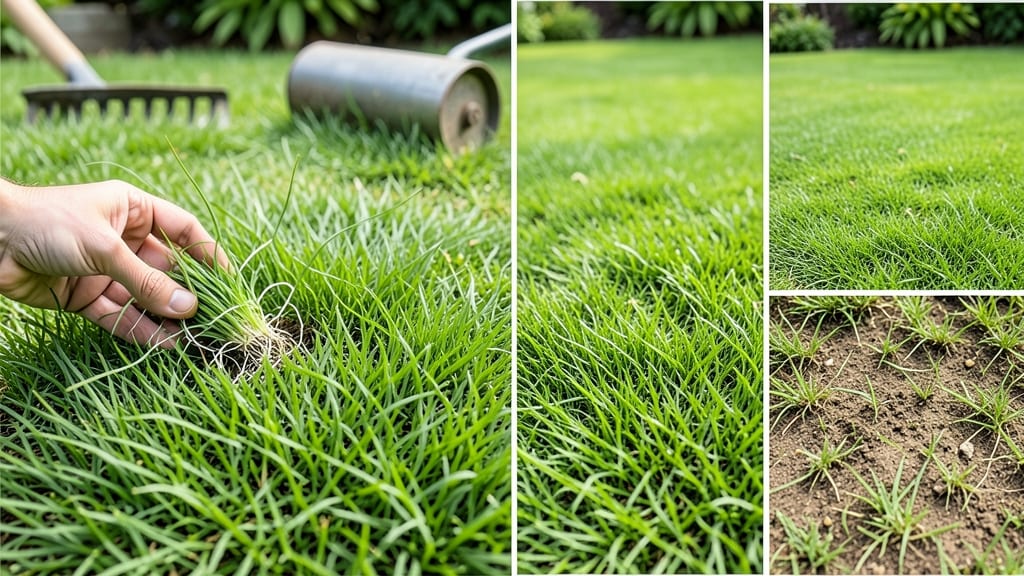
Grass runners spreading across your lawn like unwanted vines? 🌱 I’ve battled these fast-growing stolons for years, and I’ll show you how to stop them without tearing up your yard. The key is catching them early—before they smother your grass or create that patchy, uneven look you’re trying to avoid.
Start with your mower: raising the blade to 3-4 inches weakens runners by starving them of sunlight, while manual removal with a sharp spade works best in small patches. For stubborn spots, a targeted herbicide (like glyphosate) can be effective—but only if you’re prepared to reseed afterward.
The goal isn’t just to kill what’s there but to break the cycle.
Once the runners are gone, focus on thickening your grass with overseeding and proper watering. A dense lawn leaves no room for stolons to take hold, and regular dethatching keeps new growth from sneaking in.
It’s a long-term game, but within 3-4 months, you’ll see a fuller, healthier lawn that stays runner-free.
Pro tip: Check for runners in early spring or fall when they’re most active. And if you’ve got pets or kids, skip the herbicides—vinegar sprays or corn gluten meal are safer organic alternatives that still get the job done. Your lawn will thank you.
📚 In This Guide
- What you need
- Instructions
- Tips and common mistakes
- Wrapping up and next steps
What you need
- ● Grass runners (plants or seed): 10–20 plants (for small patches, ~1 sq ft each) or 1–2 lbs of seed (for larger areas, ~5 lbs per 1,000 sq ft).
- ● Best picks: Creeping red fescue, clover, or stoloniferous grasses like Bermuda or Zoysia.
- ● Soil amendments: Compost (5–10 lbs, spread evenly over the area).
- ● Topsoil (1–2 inches depth, if soil is poor or compacted).
- ● Tools: Garden rake (for leveling soil).
- ● Hand shovel or spade (for digging small holes).
- ● Garden hose with spray nozzle (for watering).
- ● Pruners or scissors (to trim runners if needed).
- ● Mulch: Straw or shredded leaves (1/4 inch thick) to retain moisture.
- ● Fertilizer: Slow-release granular fertilizer (10-10-10 ratio, ~1 lb per 100 sq ft).
- ● Weed barrier fabric: If weeds are a problem (lay down before planting).
- ● Knee pads or gloves: Because crawling in dirt is way more fun with these!
Step-by-Step instructions for establishing grass runners in bare lawn spots
Here’s how to transform those pesky bare patches into lush, fast-growing ground cover that blends seamlessly with your lawn.
🌱 Step 1: Prepare the Soil for Optimal Growth
Start by removing any weeds, rocks, or debris from the bare spot using a garden rake. You want the soil surface clean and ready to receive the grass runners. Loosen the top 1-2 inches of soil with a garden fork or tiller to improve aeration and root penetration.
If the soil feels compacted or hard, mix in a small amount of compost or topsoil to boost fertility. Grass runners thrive in well-draining soil, so avoid areas where water pools after rain. Once prepped, lightly rake the soil to create a smooth, even surface for planting.
🌿 Step 2: Plant Grass Runners Strategically
Grass runners spread quickly, so space them about 6-12 inches apart to allow room for growth. Lay the runners horizontally, ensuring the roots are in contact with the soil. Press them gently into the ground to secure them, but don’t bury them too deeply—just enough to keep them stable.
Cover the runners lightly with soil, leaving the top leaves exposed to sunlight. This ensures the grass can photosynthesize while the roots establish. Water immediately after planting to help settle the runners into place and encourage root contact with the soil.
💧 Step 3: Water Consistently for Fast Establishment
Keep the soil evenly moist for the first 2-3 weeks—this is critical for root growth. Water deeply 2-3 times per week, aiming for about ½ inch of water per session. Avoid overwatering, as soggy soil can suffocate roots and invite disease.
You’ll know you’re doing it right when the runners start to spread and fill in the bare spot within 3-4 weeks. Once the grass runners are fully established, you can reduce watering to 1 inch per week, matching your regular lawn watering schedule.
☀️ Step 4: Maintain and Encourage Spread
Grass runners grow best in full sun to partial shade, so avoid planting in deep shade where they’ll struggle to thrive. Once established, mow the runners at the same height as your lawn to keep them uniform. A mower height of 2-3 inches works well for most varieties.
If the runners start to thin out or look sparse, lightly rake the area and add a thin layer of compost to refresh the soil. This encourages new growth and helps the runners fill in any gaps naturally. With proper care, your grass runners will blend seamlessly into the lawn within a few months.
Tips & tricks for perfect grass runners in lawn
Let me share the secrets that'll help your grass runners take root faster and spread beautifully across those bare patches.
Soil Prep is Everything: In Step 1, don't just loosen the top 1-2 inches—really focus on breaking up any compacted layers. I like to use a garden fork to create little air pockets down to about 3 inches deep. This gives those roots room to grow downward while the runners spread outward. Think of it like giving your grass a breathing space to establish itself properly.
Planting Technique Matters: When you're spacing those runners 6-12 inches apart in Step 2, try to stagger them like bricks in a wall. This creates a more natural look and prevents gaps from showing later. Also, make sure the roots are facing downward—they'll anchor better and start growing immediately. A quick trick: lay them out first to visualize the pattern before pressing into the soil.
Watering Wisdom: The 2-3 weeks of consistent moisture in Step 3 is non-negotiable, but here's the thing: water in the morning. This gives the soil time to dry slightly during the day, reducing the risk of fungal issues. I use a rain gauge to measure my ½ inch per session—it's amazing how much difference precise watering makes in those early weeks. And when you see those runners starting to spread after 3-4 weeks, that's your reward for patience!
Maintenance Hack: For Step 4, if your runners start looking a little ragged after mowing, don't panic. Just give them a light top-dressing of compost (about ¼ inch thick) and water it in. This refreshes the soil nutrients without smothering the grass. I've found this little boost helps them recover faster than just mowing alone.
Pro Tips for Grass Runners In Lawn
- Let me share the secrets that'll help your grass runners take root faster and spread beautifully across those bare patches.
- Soil Prep is Everything: In Step 1, don't just loosen the top 1-2 inches—really focus on breaking up any compacted layers.
- Planting Technique Matters: When you're spacing those runners 6-12 inches apart in Step 2, try to stagger them like bricks in a wall.
Frequently asked questions
Got questions about grass runners? We’ve got answers!
Whether you're troubleshooting patchy lawns or wondering how to speed up coverage, these FAQs will help you get the most out of your ground cover solution.
What are the fastest-growing grass runners for filling bare spots?
Look for aggressive spreaders like creeping red fescue or Kentucky bluegrass—they can grow up to 6–12 inches per year under ideal conditions. For instant results, try annual ryegrass (germinates in 5–10 days) or crabgrass (fast but short-lived).
How long does it take for grass runners to fill a bare spot?
With proper care, most grass runners fill small gaps (1–2 sq ft) in 4–6 weeks. Larger areas (5+ sq ft) may take 2–3 months. Speed up growth by watering daily for the first 2 weeks and fertilizing lightly with a high-nitrogen formula.
Do grass runners need special watering techniques?
Yes! Water lightly but frequently (about ¼ inch/day) to encourage shallow root growth. Avoid deep soaking, which can drown seedlings. Use a sprinkler with a gentle mist setting or a soaker hose for even coverage. Early morning watering (6–9 AM) reduces evaporation and fungal risks.
Can I use grass runners as a permanent ground cover?
Some runners, like creeping thyme or clover mixes, work as low-maintenance alternatives to grass. However, traditional grass runners (e.g., Kentucky bluegrass) may require mowing and fertilizing long-term. For a no-mow option, consider dwarf mondo grass or lichen for shady spots.
Why are my grass runners dying or turning brown?
Common culprits: overwatering (roots rot), underwatering (drought stress), or thatch buildup (blocking nutrients). Check for pests (grubs, chinch bugs) or disease (fungus, rust). Adjust watering, aerate compacted soil, and apply a fungicide if needed. If brown patches persist, test your soil’s pH—ideal range is 6.0–7.0.
Pro Tip: For stubborn bare spots, try a seed + sod combo—lay sod around the edges while seeding the center. This creates a buffer zone
that speeds up full coverage!
Wrapping up and next steps
Transforming bare patches into lush, green lawns doesn’t have to be a challenge—grass runners are your secret weapon! 🌱 These fast-growing ground covers are perfect for filling gaps quickly, saving you time and effort.
Whether you’re a seasoned gardener or just starting, the key is choosing the right type, preparing your soil, and giving them the care they need to thrive.
Ready to take action? Start small—pick a sunny spot, gather your supplies, and plant your grass runners this weekend. With patience and a little TLC, you’ll soon enjoy a uniform, vibrant lawn that’s the envy of the neighborhood. Happy gardening! 🌿