
How To
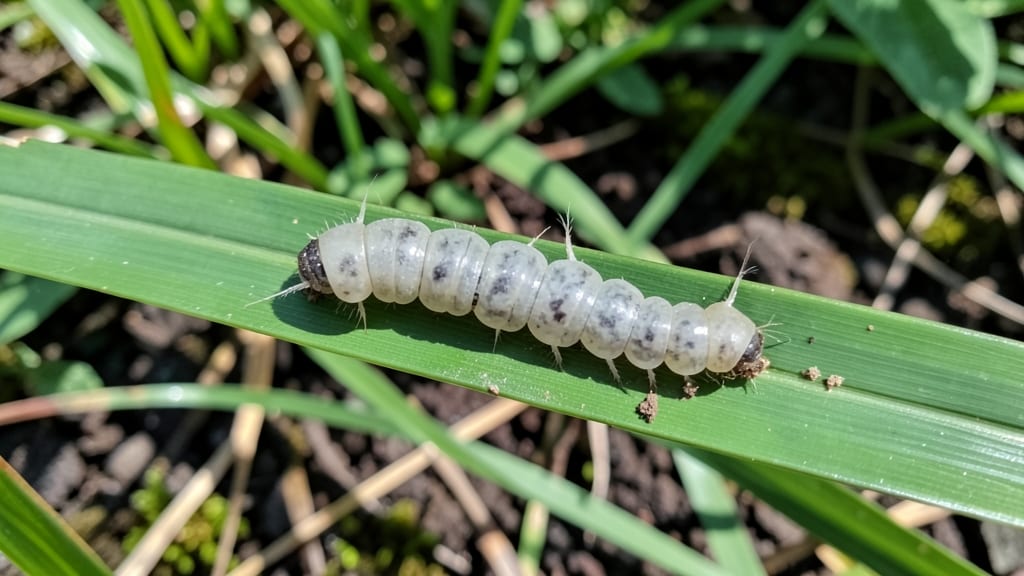
Centipede grass fungus turns your lawn into a patchwork of brown, and I’ve spent years figuring out how to stop it without poisoning the soil or your family. The key isn’t just treating the symptoms—it’s fixing the conditions that let fungus take over in the first place.
I’ll show you how to identify the problem, then use simple, natural fixes that actually work.
Most fungal issues in centipede grass start with two things: too much moisture and poor airflow. That’s why adjusting your watering schedule—deep but infrequent soaks instead of daily light sprinkles—makes a huge difference.
I’ve seen lawns recover completely in just a few weeks once we cut back on the water and improved drainage. The secret isn’t fancy products; it’s getting the basics right.
You’ll end up with a lawn that stays thick, green, and resilient—no more mysterious brown patches or thin spots. The best part? These methods work for other grass types too, so you’re not just solving one problem.
Let’s get your centipede grass back to its healthy, lush self without the harsh chemicals.
Fair warning: some fixes take patience, but skipping the chemical route means your soil—and your kids’ bare feet—stay safe. I’ll walk you through the exact steps, from mowing height adjustments to organic fungicide options that don’t harm the environment. Ready to reclaim your lawn?
Why it happens
Fungal infections in centipede grass aren’t just random bad luck—they’re the result of specific environmental and cultural conditions working together. Understanding these triggers is the first step to preventing or eradicating outbreaks naturally. Here’s why your lawn might be turning into a fungal buffet:
🌡️ Overly Warm, Humid Conditions
Centipede grass thrives in warm climates, but when temperatures hover between 75°F and 90°F (24°C–32°C) with high humidity (above 70%), fungal spores like Brown Patch or Dollar Spot go into overdrive. These conditions create the perfect storm:
- Slow evaporation: Warm air holds more moisture, keeping the grass blades damp longer—fungi need at least 12–24 hours of leaf wetness to germinate.
- Thatch buildup: Centipede grass naturally produces a thin thatch layer, but in heat, organic debris decomposes slowly, trapping moisture and nutrients right where fungi love to grow.
- Stress from heat: Grass weakens under prolonged heat, making it easier for fungi to penetrate leaves and stems.
Actionable fix: Improve airflow with vertical mowing and water early in the morning (before 10 AM) to allow foliage to dry quickly.
💧 Overwatering Or Poor Drainage
Centipede grass is drought-tolerant, but many homeowners overcompensate by watering too frequently or deeply, creating soggy conditions. Fungi like Gray Leaf Spot and Rhizoctonia thrive in waterlogged soil because:
- Oxygen deprivation: Roots suffocate, weakening the grass and making it susceptible to fungal invasion.
- Spores spread easily: Splashing water from irrigation or rain disperses fungal spores across the lawn.
- Compacted soil: Poor drainage often leads to soil compaction, which reduces root growth and leaves the grass vulnerable.
Actionable fix: Test your soil’s drainage by digging a 6-inch hole and filling it with water—if it drains in <1 hour, you’re good; if not, amend with compost or sand. Water deeply 2–3 times per week (1–1.5 inches total) instead of daily light sprinkles.
🌱 Nutrient Imbalances Or Weak Grass
Fungi exploit weak spots, and centipede grass often weakens due to:
- Low nitrogen: While centipede grass prefers low-maintenance fertility, sudden nitrogen spikes (from synthetic fertilizers) can overstimulate top growth, leaving roots starved and stressed.
- Potassium deficiency: Potassium strengthens cell walls—without it, grass becomes more permeable to fungal pathogens.
- Thatch buildup: A thatch layer thicker than ½ inch blocks water and nutrients, creating a fungal-friendly microclimate.
Actionable fix: Conduct a soil test and apply a balanced, slow-release fertilizer (e.g., 16-4-8) in early spring. For thatch, dethatch in late summer when grass is actively growing.
🍄 Fungal Spores Already Present
Fungal spores are everywhere—in soil, air, and even on healthy grass. They only become problematic when conditions shift in their favor. Common sources include:
- Previous infections: Leftover fungal debris in thatch or soil can reinfect the lawn if not properly cleaned up.
- Neighboring lawns or trees: Overhanging branches or adjacent yards with fungal issues can blow spores onto your grass.
- Equipment contamination: Mowers, rakes, or aerators can spread spores from infected areas to healthy ones.
Actionable fix: Remove debris by raking up dead grass clippings and sterilize tools with a 10% bleach solution (1 part bleach to 9 parts water) between uses.
🌿 Stress From Improper Mowing
Mowing too short (below 1.5 inches) or too frequently stresses centipede grass, making it easier for fungi to take hold. Key issues:
- Reduced shade: Shorter grass increases sunlight exposure, raising leaf temperatures and accelerating fungal growth.
- Root exposure: Frequent mowing can damage crowns (the base of the grass plant), creating entry points for fungi.
- Clippings smothering: Leaving clippings too long can trapped moisture against the soil, promoting fungal spores.
Actionable fix: Mow at 2–2.5 inches in summer and 1.5–2 inches in cooler months. Use a sharp mower blade to avoid tearing grass, and mulch clippings thinly for natural fertilization.
How to Treat and Prevent Fungal Lawn Issues
Fungal infections in centipede grass can feel like an uphill battle, but with the right approach, you can restore your lawn to its lush, healthy state—without relying on harsh chemicals.
Below, we’ve mapped out practical solutions tailored to common causes, from overwatering to poor airflow. Each fix is designed to be easy to implement and sustainable for long-term lawn care.
🔥 Overwatering or Poor Drainage? Fix It Fast
If your centipede grass is soggy or waterlogged, fungi like brown patch or dollar spot thrive in these damp conditions. Here’s how to dry it out and prevent future issues:
- 🍳 Adjust Your Watering Schedule
- Water deeply 2-3 times per week (early morning, 4–6 AM) instead of daily light sprinkles.
- Aim for ½ to ¾ inch of water per session—use a rain gauge or tuna can to measure.
- Pro Tip: If rain is forecast, skip watering that day to avoid over-saturation. 🌧️
- 👨🍳 Improve Soil Drainage
- Aerate compacted soil in spring or early fall using a core aerator (rent or buy one).
- Mix in 2–3 inches of sand or compost to loosen the soil and improve airflow.
- For severe cases, consider installing French drains or grading the yard to slope away from the house.
- ⏰ Mow at the Right Height
- Set your mower to 1–1.5 inches—taller grass shades out fungi and promotes root health.
- Never remove more than ⅓ of the grass blade at once to avoid stressing the plant.
🌡️ Too Much Shade or Humidity? Break the Cycle
Fungi love shaded, humid environments where grass struggles to dry out. Boost airflow and sunlight to starve out infections:
- ✨ Trim Overhanging Branches
- Prune trees or shrubs to allow at least 6 hours of sunlight daily to the lawn.
- Focus on areas where fungi appear—often near tree canopies or dense foliage.
- 🎯 Install a Lawn Fan or Improve Airflow
- Use a leaf blower or fan to circulate air in shaded spots after watering.
- Space out plants or mulch beds to reduce humidity near the grass.
- 💡 Choose Fungal-Resistant Grass Varieties
- If your lawn is chronically prone to fungi, consider overseeding with centipede grass cultivars like ‘Tifton 85’ or ‘Floratam’, which are more resistant.
🍄 Existing Fungal Patches? Natural Remedies
For active infections, skip the chemicals and try these organic fixes:
| Problem | Natural Solution | How to Apply |
|---|---|---|
| Brown Patch | Baking Soda Spray | Mix 1 tbsp baking soda + 1 gallon water; spray affected areas. Repeat weekly until gone. |
| Dollar Spot | Neem Oil Fungicide | Spray a 2% neem oil solution (1 tbsp neem oil + 1 quart water + 1 tsp mild soap) on damp grass. |
| Gray Leaf Spot | Hydrogen Peroxide (3%) | Dilute 1 part 3% H₂O₂ to 3 parts water; spray lightly (avoid over-saturating). |
| General Fungal Blight | Beneficial Fungi (Trichoderma) | Apply a Trichoderma-based biofungicide to outcompete harmful fungi. |
- 🔪 Remove Severely Infected Grass
- Dig up and discard dead patches (do not compost them—fungi can spread).
- Solarize the area by covering it with clear plastic for 4–6 weeks in hot sun to kill fungi.
🛡️ Long-Term Prevention Tips
Stop fungi before they start with these proactive habits:
- 🌱 Test Your Soil: Use a DIY kit to check pH (ideal for centipede grass: 5.0–6.0). Adjust with sulfur or lime if needed.
- 💪 Strengthen Grass: Apply a low-nitrogen, slow-release fertilizer (like 10-10-10) in early spring to boost root health.
- 🍂 Clean Up Debris: Rake and remove thatch (layer of dead grass)—keep it under ½ inch thick to prevent fungal growth.
- 🐛 Encourage Beneficial Insects: Ladybugs and nematodes eat fungal spores. Plant marigolds or clover near your lawn to attract them.
With consistency, your centipede grass can bounce back stronger than ever—without the need for toxic fungicides. Start with one or two fixes this week, and watch your lawn transform! 🌿
Frequently asked questions
What are the first signs of fungus in centipede grass?
Look for circular brown or tan patches that spread outward, often with a darker ring at the edges. You may also notice thin, water-soaked spots or a "smoky" appearance on blades. Early detection is key—these spots can grow rapidly in warm, humid conditions.
Can I still use my lawn after treating fungal issues?
Yes, but wait until treatments have fully dried (usually 24-48 hours) before walking or playing on it. Avoid heavy foot traffic on treated areas for 1 week to prevent spreading spores. Light use like mowing is fine once the grass is dry.
How often should I apply natural fungicides to centipede grass?
Apply natural treatments like neem oil or baking soda every 7-10 days during active fungal outbreaks, then reduce to monthly for prevention. Always follow label instructions and alternate treatments to avoid resistance. Consistency is more important than frequency.
Will centipede grass recover from severe fungal damage?
Yes, but it may take 3-6 months for full recovery. Focus on improving drainage, adjusting mowing height to 2-2.5 inches, and applying organic fertilizer. Remove dead patches and overseed bare spots with disease-resistant varieties. Patience and proper care make all the difference.
Are there any lawn tools I should avoid when fungus is present?
Avoid using rakes or mowers with dull blades—they can tear grass and spread fungal spores. Clean all equipment with a 10% bleach solution between uses. Consider using a leaf blower instead of raking to minimize contact with infected areas.