
Vegetables
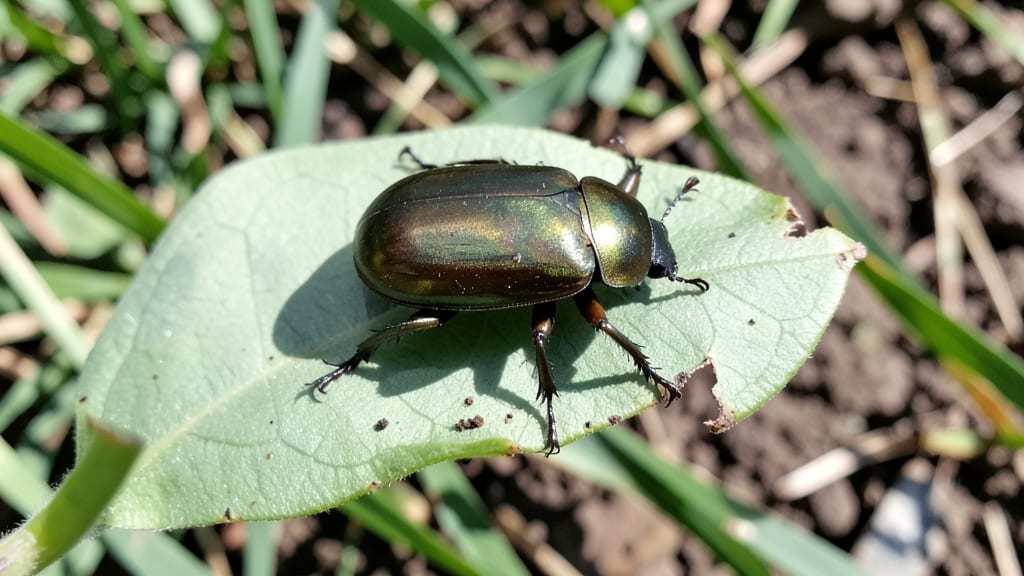
Chafer beetle grass damage turns lush lawns into patchy brown wasteland—until you know the right moves. 🌱 I’ve seen entire yards suffer from these sneaky pests, but natural solutions actually work better than chemicals in the long run.
The key is understanding their life cycle and hitting them at the right time.
These beetles aren’t just annoying—they destroy grass roots and leave behind grubs that chew through soil. Most people reach for pesticides first, but that kills beneficial insects too.
Instead, we’ll focus on natural predators, seasonal timing, and simple lawn care tweaks that make your yard less inviting to them.
By late summer, you’ll see fewer beetles crawling on your grass at dusk, and next spring your lawn will green up stronger. The secret? Encouraging birds and nematodes while keeping the soil healthy—no harsh chemicals needed. Let’s get your lawn back to thick and thriving.
Works for home lawns, golf courses, and even small patches of grass—just adjust the approach based on size. The best part? These methods protect your soil for years, not just one season.
Root Causes Of Grass Damage
When your lawn starts showing the telltale signs of chafer beetle grass damage—brown patches, thinning turf, or irregular holes—it’s often the result of a few key factors. Understanding these causes helps you take targeted action to protect your yard.
Below, we break down the science behind why these beetles target grass and how environmental conditions make your lawn more vulnerable.
🌱 Overabundant grubs feeding underground
The primary reason chafer beetles wreak havoc on grass is their larval stage, known as grubs. These C-shaped, white larvae thrive in soil, feeding on grass roots and crowns. Here’s why they become so destructive:
- Rich, Moist Soil: Grubs prefer well-drained, nutrient-rich soil with high organic matter—ideal conditions for healthy grass but also for beetle larvae. If your lawn has recently been fertilized or amended with compost, it becomes a buffet for grubs. Pro tip: 💡 Avoid over-fertilizing in late summer or early fall, when chafer beetles are most active.
- Lack of Natural Predators: Birds, toads, and beneficial nematodes typically keep grub populations in check. However, if these predators are scarce (due to pesticide use, habitat loss, or urbanization), grubs multiply unchecked. Actionable fix: ✨ Encourage wildlife by planting native shrubs or installing a small birdbath.
- Slow-Growing Grass: Stressed or slow-growing grass (from drought, disease, or poor mowing practices) is easier for grubs to devour. Weak roots can’t support the plant, leading to sudden die-off in patches. Solution: 🌡️ Test your soil pH and adjust if it’s too acidic or alkaline—grubs thrive in neutral soil (pH 6.0–7.0).
🌙 Adult beetles invading lawns
Adult chafer beetles don’t eat grass—they’re attracted to it for egg-laying. Their presence in your yard is often a sign of an impending infestation. Here’s why they choose your lawn:
- Warm, Sunny Spots: Beetles seek out well-lit, sunny areas where grass is lush and warm. If your lawn has thick, healthy turf (especially fescue or bluegrass), it’s a prime real estate for egg deposition. Prevention tip: 🔥 Mow high (3–4 inches) to create shade and reduce beetle activity.
- Nearby Trees or Flowers: Many chafer species (like the Japanese beetle) are drawn to pheromones from trees (e.g., roses, lindens) or flowering plants. If your yard borders wooded areas or has ornamental plants, beetles may stop by to feed before moving to your grass. Strategy: 🎯 Plant beetle-repellent flowers like marigolds or catnip near your lawn’s edge.
- Seasonal Timing: Chafer beetles emerge in late spring to early summer and lay eggs in soil. If your lawn has recently been disturbed (e.g., aerated, sodded, or watered heavily), the loose soil signals beetles that it’s a safe place to deposit eggs. Watch for: ⏰ Peak activity in June–July, when you may spot beetles on foliage during the day.
💦 Environmental stressors weakening grass
Grass under stress is more susceptible to chafer beetle damage. These environmental factors create the perfect storm for infestations:
| Factor | How It Helps Grubs | How to Fix It |
|---|---|---|
| Overwatering | Soggy soil creates ideal conditions for grubs to burrow and feed. Excess moisture also drowns beneficial microbes that compete with beetle larvae. | 🌡️ Water deeply but infrequently (1–1.5 inches per week). Improve drainage with sand or organic matter. |
| Compacted Soil | Heavy foot traffic or machinery compresses soil, making it easier for grubs to tunnel and harder for grass roots to access nutrients. | 🔥 Aerate your lawn in early fall to relieve compaction and allow roots to grow deeper. |
| Poor Drainage | Waterlogged areas attract grubs and create anaerobic conditions where grass struggles to recover, even after beetles move on. | ✨ Test drainage with a percolation test. Add gypsum or organic compost to improve soil structure. |
Key takeaway: Grubs exploit stressed grass, but healthy turf can often outcompete them. Focus on soil health, proper watering, and seasonal maintenance to make your lawn less inviting to chafer beetles.
Simple Ways to Stop Beetle Damage Now
Now that you understand why chafer beetles target your grass, let’s tackle the problem with effective, chemical-free solutions. Whether you’re dealing with larvae munching on roots or adult beetles feasting on foliage, these methods will help you reclaim your lawn—without harming the environment or your family.
🌱 Remove Larvae from the Soil
Chafer beetle larvae thrive underground, weakening grass roots. Here’s how to evict them:
🔥 Handpick Larvae (Best for Small Lawns)
- Water the lawn in the early evening to soften the soil.
- Use a garden fork to gently loosen the top 2–3 inches of soil.
- Look for white, C-shaped larvae (about 1 inch long) and place them in a bucket of soapy water to kill them.
- Replenish the soil and water lightly to help grass recover.
✨ Pro Tip: Do this in late summer or early fall when larvae are most active near the surface.
🍳 Encourage Natural Predators
Birds, toads, and ground beetles love feasting on chafer larvae. Boost their presence with:
- Leave leaf litter in shady areas (it provides shelter for predators).
- Install a small birdbath to attract birds that hunt larvae.
- Plant native wildflowers to support beneficial insect populations.
👨🍳 Use Beneficial Nematodes (Biological Control)
Microscopic nematodes (Heterorhabditis bacteriophora) infect and kill chafer larvae naturally.
- Apply in late summer when larvae are most vulnerable.
- Follow package instructions—typically, mix with water and spray evenly.
- Reapply every 4–6 weeks during peak season.
🍂 Trap & Deter Adult Beetles
Adult chafer beetles chew grass blades and lay eggs, restarting the cycle. Stop them in their tracks:
🔪 DIY Beer Traps (Simple & Effective)
- Fill a shallow dish (like a pie tin) with beer or apple cider vinegar.
- Place traps in the evening near infested areas—beetles are attracted to the smell and drown.
- Empty and refill every 2–3 days for best results.
💡 Pro Tip: Use multiple traps—beetles can fly long distances, so spread them out.
🌡️ Adjust Watering & Mowing Habits
Healthy grass resists pests better. Try these tweaks:
- Water deeply but infrequently (1–1.5 inches per week) to discourage larvae.
- Mow high (3–4 inches) to shade the soil and deter beetle egg-laying.
- Aerate compacted soil in early fall to improve root health and reduce larval hiding spots.
🎯 Use Physical Barriers (For New Lawns)
If you’re seeding a new lawn, cover the area with cardboard or burlap for 2–3 weeks to block adult beetles from laying eggs. Remove the barrier once grass sprouts.
🌿 Long-Term Prevention Strategies
Stop chafer beetles from returning with these low-maintenance habits:
| Action | How It Helps | When to Do It |
|---|---|---|
| Overseed with clover | Clover crowds out beetles and attracts predators. | Late summer or early fall. |
| Apply milky spore powder | A natural bacteria (Bacillus popilliae) that targets Japanese beetle larvae (similar to chafer beetles). | Spring or early summer. |
| Plant resistant grasses | Tall fescue and perennial ryegrass are less appealing to beetles. | When reseeding. |
| Keep lawn debris-free | Reduces hiding spots for eggs and larvae. | Year-round maintenance. |
⚠️ When to Call a Pro
If your lawn is severely damaged (large brown patches, spongy soil), consider hiring a local pest control expert who specializes in organic treatments. They can assess the infestation and recommend targeted solutions like:
- Laser-guided nematode applications
- Compost tea soil treatments to boost grass resilience
Final Thought: Chafer beetles are a nuisance, but with consistent action, you can outsmart them without chemicals. Start with one or two methods this season, then expand next year for a beetle-free lawn! 🌿💪
Frequently asked questions
What do chafer beetle larvae look like in my lawn?
Chafer beetle larvae are small, white, and C-shaped—about 1 inch long when mature. You’ll find them in the top 2-3 inches of soil, especially after watering. Look for patches of grass that pull up easily (a sign of root damage). They’re often mistaken for earthworms but lack the segmented body.
How do I know if my grass damage is from chafer beetles vs. other pests?
Chafer beetle damage has distinct signs: irregular brown patches that feel spongy when stepped on (from root loss), and adult beetles crawling on grass at dusk. Unlike grubs from other beetles, chafer larvae target grass roots specifically, leaving blades standing but unsupported. Check for tiny holes in leaves too—those are adult beetles feeding.
Can I use vinegar to kill chafer beetles?
Vinegar won’t kill larvae in the soil, but a 1:1 vinegar-water spray can deter adult beetles when applied directly to foliage. For best results, spray in the evening when beetles are active. However, it won’t solve the root problem—focus on nematodes or handpicking larvae for a complete fix. Always test a small area first to avoid harming grass.
Will my lawn recover after treating chafer beetles?
Yes! With proper care, grass can bounce back within 4-6 weeks after removing larvae. Overseed damaged areas with tall fescue or clover to crowd out beetles, and avoid heavy foot traffic while roots regrow. Water deeply but infrequently (1-1.5 inches per week) to encourage strong recovery. The key is consistent soil health—test pH and add compost if needed.
Are there any chemical-free repellents that work long-term?
Milky spore powder (a natural bacteria) and neem oil sprays disrupt chafer beetle life cycles when applied in spring/early summer. For physical barriers, try diatomaceous earth around lawn edges—it dehydrates beetles. Combine these with bird-friendly habitats (birdbaths, native plants) to boost natural predator populations year-round.