
Lawn
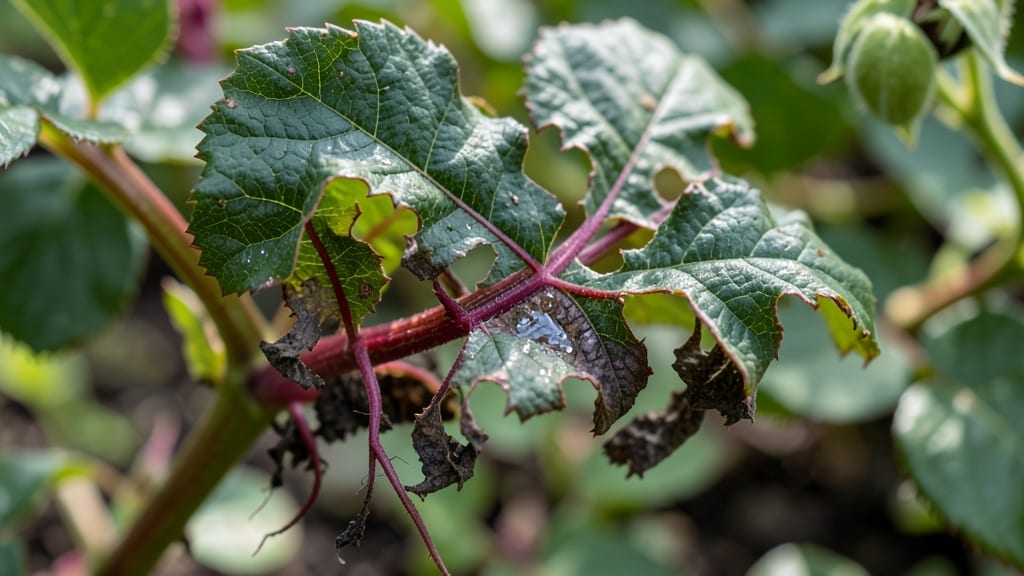
Japanese beetle lawn damage turns lush green grass into skeletonized brown patches faster than you can say "summer." 🌱 I’ve watched my own lawn go from vibrant to tragic in just a few weeks—until I learned the telltale signs and how to strike back before the damage spreads.
The first clue? Irregular patches where grass looks chewed, not just browned. These beetles don’t just nibble—they devour entire blades, leaving behind a messy, uneven mess. Worse, they multiply fast, so spotting them early means saving your lawn before it’s too late.
You’ll learn how to identify the beetles, use natural traps, and even recover damaged grass without harsh chemicals. My lawn now stays green all season, and the secret isn’t complicated—just consistent action. Works for any yard, from small suburban patches to large landscapes.
Let’s get your grass back in fighting shape!
The Hidden Forces Behind Lawn Destruction
Japanese beetles don’t just appear out of nowhere—they’re drawn to your lawn by a mix of environmental cues, plant chemistry, and even human activity. Understanding why they target your grass is the first step to outsmarting them. Here’s a breakdown of the key triggers:
Japanese beetles are attracted to volatile organic compounds (VOCs) emitted by healthy, lush grasses—especially Kentucky bluegrass, tall fescue, and ryegrass. These plants release green leaf volatiles (GLVs), which act like a dinner bell to beetles.
Even worse, nitrogen-rich fertilizers (common in fast-growing lawns) amplify these scents, making your yard a beetle buffet.
- Why it matters: Beetles prefer stressed but still-green grass—think of it as their version of a "half-eaten sandwich" that’s still tasty.
- Actionable insight: If you fertilize heavily, consider slow-release, organic options (like compost or milled bark) to reduce the "beetle magnet" effect.
Japanese beetles emerge in late June to August when soil temperatures hit 60–65°F (15–18°C)—ideal for larval growth.
Warm, sunny lawns with thin soil coverage (like freshly seeded areas) give their grubs the perfect environment to: - Feed on roots (weakening grass before adults even arrive). - Pupate near the surface (making them easier for adult beetles to climb out).
- Why it matters: Southern states and drought-prone regions see worse damage because heat accelerates their lifecycle.
- Actionable insight: Aerate compacted soil in spring to disrupt their pupation sites and water deeply but infrequently to avoid creating a grub paradise.
Adult Japanese beetles don’t just eat grass—they crave nectar and pollen from:
- Roses, grapes, linden trees, and viburnum bushes.
- Weeds like smartweed and ragweed (which they use as "rest stops" before moving to lawns).
Here’s the catch: A single infested plant can double the beetle population in your yard within days. They’ll defoliate flowers first, then march onto your lawn—often in swarms.
- Why it matters: Even one infected plant = a beetle highway to your grass.
- Actionable insight: Remove or treat high-risk plants with neem oil or kaolin clay (a natural repellent). Prune flowers before beetles peak (July–August).
Sometimes, how we maintain lawns accidentally helps beetles thrive:
- Overwatering → Soft soil = easier digging for grubs.
- Excessive thatching → Hides grubs from predators (birds, toads).
- Ignoring early signs → By the time you see skeletonized grass, hundreds of beetles have already laid eggs.
- Why it matters: Lazy lawn care = beetle real estate.
- Actionable insight:
- Mow high (3–4 inches) to shade soil and deter egg-laying.
- Encourage natural predators (ladybugs, parasitic wasps) by avoiding broad-spectrum pesticides.
Japanese beetles are moving north and west due to:
- Warmer winters (fewer freeze-offs).
- Increased rainfall (helps larval survival).
- Urban sprawl (more monoculture lawns = more food).
Result? States like Oregon, Colorado, and even Canada are now battling outbreaks—areas that once saw little damage.
- Why it matters: Your lawn isn’t "safe" just because it’s new to your region.
- Actionable insight: Monitor local reports (USDA or state agricultural extensions) and act early if beetles appear in neighboring yards.
Most homeowners focus on adult beetles chewing leaves, but the real damage starts underground with their C-shaped grubs.
These white, worm-like larvae: - Feed on grass roots for 10–12 months (peaking in fall). - Thrive in moist, sandy soil (common in golf courses and new lawns). - Can kill grass in patches before you even notice adults above ground.
- Why it matters: One grub per square foot = a future beetle swarm.
- Actionable insight: Test soil in late summer for grubs (dig a 2" x 2" square—if you find 5+ grubs, treat immediately with beneficial nematodes or milky spore bacteria).
Japanese beetles don’t just damage your lawn—they weaken it for other pests.
After they’re done: - Chinch bugs move in (they love stressed grass). - Fungal diseases (like brown patch) exploit the holes left by grubs. Solution? Treat for beetles and prevent secondary invaders with cultural fixes (proper mowing, aeration) and targeted sprays (like azadirachtin for organic control).
Quick Fixes for Beetle-Battered Grass
Japanese beetles may seem like tiny invaders, but their appetite for your lawn can leave behind a trail of destruction—skeletal grass, chewed leaves, and a sad, patchy landscape. The good news? You can fight back with targeted strategies tailored to the damage you’re seeing.
Below, we’ll map out practical solutions for the most common types of beetle-related lawn harm, plus prevention tips to keep your yard thriving long-term.
Cause: Beetles strip grass blades of chlorophyll, leaving them white or translucent. Solution: Revive your lawn with these steps:
🔥 Step 1: Handpick the Pests (Yes, Really!)
- When: Early morning or late evening (beetles are sluggish).
- How: Fill a bucket with soapy water (1 tbsp dish soap per gallon) and shake beetles into it.
Dispose of them far from your yard. - Pro Tip: 💡 Use a grabbing tool (like tongs or a beetle picker) to avoid touching their irritating hairs.
🍳 Step 2: Fertilize for Recovery
- Apply a high-nitrogen fertilizer (like 24-0-6) to help grass regrow faster.
- Water deeply after fertilizing to activate nutrients.
- Wait 1–2 weeks before reapplying if damage is severe.
👨🍳 Step 3: Overseed Bare Spots
- Rake out dead grass clumps and spread fast-growing grass seed (like perennial ryegrass or tall fescue).
- Keep soil moist but not soggy for 2–3 weeks.
- Pro Tip: ✨ Use a starter fertilizer with seed to boost germination.
Cause: Beetles target not just grass but also roses, linden trees, and other plants. Solution: Protect vulnerable plants with these non-toxic and chemical options:
🔪 Physical Barriers (Best for Roses & Shrubs)
- Floating Row Covers: Drape lightweight fabric over plants to block beetles.
- Neem Oil Spray: Mix 2 tbsp neem oil + 1 tsp dish soap per gallon of water.
Spray every 3–5 days (repeats are key!). - Handpick Daily: Check plants for beetles—10–15 minutes of picking can save a rose bush!
🎯 Milky Spore or Beneficial Nematodes (Long-Term Control)
- Milky Spore: A natural bacteria (Bacillus popilliae) that infects beetle grubs in the soil. Takes 1–2 years to establish but lasts decades.
- **Nematodes (Heterorhabditis bacteriophora): Microscopic worms that kill grubs.
Apply early summer when grubs are active. - Pro Tip: 🌡️ Timing is everything! Apply nematodes when soil temps are 50–85°F (check with a soil thermometer).
🚫 Chemical Last Resort (Use Sparingly)
- Imidacloprid or Azadirachtin Sprays: Follow label instructions for spot treatments only.
- Warning: 🚨 Avoid systemic pesticides if you have bees or pollinators nearby—they can harm them too.
Cause: Beetles return year after year if grubs survive in your soil. Solution: Break the cycle with these preventive measures:
💡 Early Detection & Traps (But Use Carefully!)
- Pheromone Traps: Place traps far from your lawn** (they attract more beetles if too close!).
- Check for Grubs: Dig up a 6-inch square of turf in late summer. If you find 5+ white, C-shaped grubs, treat immediately.
🏡 Lawn Care Adjustments
- Mow High: Keep grass 3–4 inches tall—taller grass shades out beetle eggs.
- Aerate & Overseed: Thick, healthy grass crowds out beetle eggs.
- Reduce Grub Habitats: Avoid overwatering (grubs love moist soil) and excess nitrogen (attracts beetles).
🌍 Natural Predators & Habitat Boosts
- Attract Birds: Install a bird feeder—robins, starlings, and grackles love eating beetles.
- Plant Native Grasses: Beetles prefer Kentucky bluegrass and fescue—mix in buffalo grass or fine fescue for resistance.
- Compost & Mulch: Healthy soil = stronger grass.
Add compost annually to improve resilience.
Final Reminder: 🎯 Act fast but think long-term. Handpicking and fertilizing help now, while milky spore and overseeding prevent future outbreaks. With a mix of these strategies, your lawn can bounce back—and stay beetle-free!
Frequently asked questions
How can I tell if my lawn damage is from Japanese beetles vs. grubs?
Japanese beetles leave skeletonized grass blades—they chew the soft tissue between veins, leaving the white midrib intact. Grubs, however, cause yellow patches that pull up easily when you lift the turf, revealing white, C-shaped larvae feeding on roots. Check for both above-ground chewing and underground grubs to confirm.
Are Japanese beetles harmful to pets or children?
While they don't pose direct health risks, their irritating hairs can cause skin reactions in sensitive individuals. Avoid handling them bare-handed, and keep pets away from beetle traps (soapy water solutions can be harmful if ingested). Always dispose of collected beetles far from play areas or pet zones.
Will milky spore really work if I've had beetles for years?
Milky spore takes 1-2 years to establish in your soil, so it's not a quick fix—but it's one of the most effective long-term solutions. Apply it in late summer or early fall when grubs are active. For immediate results, combine it with beneficial nematodes this season, then let milky spore build up for next year.
Can I use coffee grounds to repel Japanese beetles?
Coffee grounds can help slightly by creating an unpleasant environment, but they're not a reliable repellent. For better results, mix 1 part coffee grounds with 3 parts compost and spread it around your lawn's perimeter. The real power comes from neem oil sprays or kaolin clay—these create a physical barrier beetles avoid.
Why do my neighbors have beetles but I don't?
Japanese beetles are attracted to specific grass types (like Kentucky bluegrass) and environmental conditions (warm, sunny lawns with thin soil). Your yard might have native grasses that beetles avoid, better soil drainage, or fewer nectar-producing plants nearby. Even small differences in lawn care—like mowing height or watering habits—can make your yard less appealing.