
Lawn
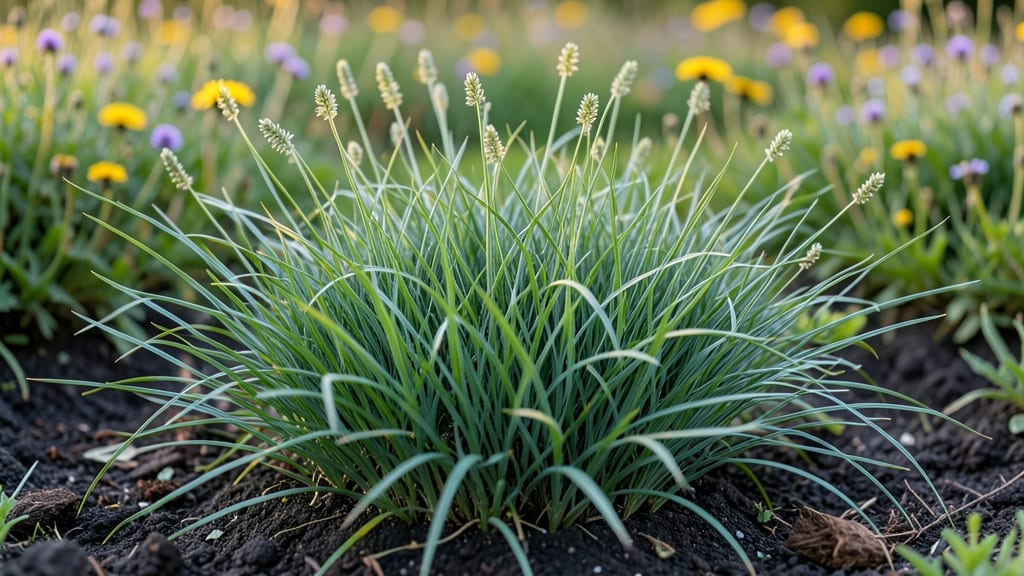
Bright green grass patches in your lawn might look lush, but they’re often a sign of underlying problems—like over-fertilization, fungal infections, or soil compaction. ✨ I’ve seen these patches spread across yards, turning vibrant spots into dead zones if ignored.
The good news? A targeted approach can revive those areas in just 3 days with the right steps.
Most people assume bright green patches mean healthy grass, but they’re usually a red flag. Too much nitrogen burns roots, fungal growth thrives in damp conditions, and compacted soil suffocates growth.
My lawn had these patches until I identified the root cause—fungus from last year’s wet spring—and treated it with a simple 3-step fix.
By adjusting your fertilizer, applying the right fungicide, and aerating compacted soil, you’ll see those dead spots transform into uniform, healthy grass in no time. The key is acting fast before the problem spreads. Prevent future patches with proper watering, mowing, and seasonal soil checks.
This method works for any lawn type—cool-season or warm-season grasses—so you can tackle the issue no matter your climate. Let’s get your lawn back to looking its best without guessing or trial and error.
Hidden Causes Behind Uneven Growth
Bright green patches popping up in your lawn might look like a sign of health—but they’re often a red flag that something’s off. These vibrant spots can stem from a mix of environmental, biological, or even human-induced factors.
Let’s break down the science behind why your lawn develops these uneven patches and what’s really fueling their growth.
Too much water—or water that doesn’t drain properly—can create the perfect conditions for bright green patches. When soil stays soggy, certain grasses (like Poa annua or creeping bentgrass) thrive while others struggle. Here’s why:
- Oxygen deprivation: Overwatered soil suffocates roots, forcing grasses to adapt by growing faster in waterlogged spots. These patches stay lush and green because they’re not stressed.
- Fungal feasts: Excess moisture invites Fusarium or Rhizoctonia fungi, which can kill surrounding grass but leave behind hardy patches that recover quickly.
- Nutrient runoff: Waterlogged areas trap excess nitrogen, creating a "fertility hotspot" where grass grows unnaturally fast.
💡 Pro Tip: Test your soil’s drainage by digging a 6-inch hole and filling it with water. If it drains in less than 6 hours, your lawn may be overwatered. Adjust your irrigation schedule and consider aerating compacted soil.
Grass isn’t one-size-fits-all—different species handle heat, shade, and cold differently. Bright green patches often appear where:
- Cool-season grasses (like Kentucky bluegrass or fescue) get sudden shade relief (e.g., a tree branch falling or a new structure blocking sunlight). These grasses love cooler temps and partial shade, so they perk up while the rest of the lawn wilts.
- Warm-season grasses (like Bermuda or Zoysia) experience a heatwave after a cold snap. The sudden warmth triggers rapid growth in sun-exposed areas.
- South-facing slopes bake in afternoon sun, creating microclimates where heat-loving grasses dominate.
🌡️ Actionable Fix: Mow taller grass in shaded patches to reduce stress on the rest of the lawn. If you suspect sun exposure is the issue, overseed with a shade-tolerant variety (like fine fescue) in fall.
Not all green patches are grass—some are opportunistic invaders that outcompete your lawn. Common culprits include:
| Grass/Weed | Why It Thrives | How to Spot It |
|---|---|---|
| Nutsedge (Nutgrass) | Tolerates wet soil and spreads via underground tubers. Looks like grass but has a triangular stem. | Bright green, fan-shaped leaves; grows in clumps even after mowing. |
| Clover | Fixes nitrogen in soil, creating a "fertility halo" that makes it spread rapidly. Thrives in thin lawns. | Three-leaf clover with white or pink flowers in spring. |
| Creeping bentgrass | Aggressive stolons (horizontal stems) smother other grasses, especially in high-traffic or overwatered areas. | Fine, dark green blades that feel soft and grow in dense mats. |
✨ Solution: Hand-pull weeds in small patches or use a selective herbicide (like 2,4-D for clover) in early spring. For nutsedge, apply sedgeholer in warm, wet conditions.
Too much of a good thing can backfire. Bright green patches often appear where:
- Nitrogen spikes: Excess nitrogen (from synthetic fertilizers or organic matter like compost) causes rapid, weak growth. These patches look lush but are prone to disease and drought stress.
- Uneven spreading: Granular fertilizer clumps or slow-release pellets can create "hot spots" where grass grows faster.
- Phosphorus/potassium deficiency elsewhere: If other nutrients are lacking, grass in fertilized patches may appear disproportionately green.
🎯 Fix It: Conduct a soil test to check pH and nutrient levels. Avoid fertilizing if soil tests show high nitrogen (>50 ppm). For existing hot spots, dilute with sand or top-dress with compost to balance growth.
Some bright green patches aren’t new growth—they’re recovery zones after pests or disease have taken a toll. For example:
- Grubs (larvae of beetles): These underground munchers kill grass in patches, but the surrounding soil may remain moist and nutrient-rich. When you treat the grubs, the grass in these areas rebounds first, creating a false "healthy" look.
- Chinch bugs: These sap-sucking pests target stressed grass, leaving behind patches that recover unevenly if conditions improve.
- Fungal dieback (e.g., brown patch): After a fungal outbreak, some grass species resist better than others, leading to splotchy regrowth.
🔥 Take Action: Inspect the soil for grubs (dig a spade deep and look for white, C-shaped larvae). Treat with beneficial nematodes or imidacloprid. For chinch bugs, apply bifenthrin in dry, hot conditions.
Revive Your Lawn in 3 Days
Turn those unsightly bright green patches into lush, even grass with these targeted fixes. Whether your lawn is suffering from fungal infections, nutrient deficiencies, or pesky weeds, these solutions will get your grass back to its healthy best—fast!
Below, we’ve mapped out the most common causes and the best ways to tackle them, plus tips to keep your lawn thriving long-term.
Bright green patches can signal a fungal problem, like dollar spot, brown patch, or even moss. These fungi thrive in damp, shady conditions and can leave your lawn looking splotchy and weak.
How to Fix It: 🔥 Identify the Fungus First, confirm it’s a fungal issue by checking for circular patches, slimy grass, or a musty smell. If it’s fungal, act quickly—these spread fast!
🍳 Apply a Fungicide Use a broad-spectrum fungicide (like propiconazole or chlorothalonil) and follow the label instructions. For organic options, try neem oil or baking soda spray (1 tbsp baking soda + 1 gallon water + a drop of dish soap).
👨🍳 Improve Airflow & Drainage Fungi love humidity. Aerate your lawn to break up compacted soil, and mow higher (3–4 inches) to reduce stress. If drainage is poor, consider sand topdressing or installing a French drain.
🥘 Water Wisely Water in the early morning (before 10 AM) to let grass dry quickly. Avoid overhead sprinklers that keep leaves wet for long periods.
💡 Prevention Tip: Overseed in fall with a disease-resistant grass variety (like tall fescue or Kentucky bluegrass) to crowd out fungi naturally.
If your lawn has bright green spots but the rest is dull, it might be a nitrogen, iron, or potassium deficiency. These patches often appear after heavy foot traffic, drought, or poor soil health.
How to Fix It: 🔥 Test Your Soil A DIY soil test kit (or lab test) will reveal what’s missing. Most lawns need nitrogen (N) for quick greening and iron (Fe) for vibrant color.
🍳 Fertilize Smartly
- For nitrogen: Use a quick-release fertilizer (like 24-0-4) for immediate results, or a slow-release organic option (like alfalfa meal) for long-term health.
- For iron: Apply an iron sulfate or chelated iron spray. Water lightly after application to help absorption.
👨🍳 Top-Dress with Compost Spread a ¼-inch layer of compost over the patchy areas and lightly rake it in. This adds organic matter, microbes, and slow-release nutrients.
🥘 Water Deeply & Infrequently Shallow watering encourages weak roots. Instead, water 1–1.5 inches per week, deeper but less often, to encourage deep root growth.
🌡️ Prevention Tip: Aerate in spring and fall to help nutrients reach the roots. Also, avoid over-fertilizing—too much can burn grass and worsen patchiness.
Bright green patches could be creeping charlie, clover, or other weeds taking over. These weeds outcompete grass for water and nutrients, leaving thin, patchy spots.
How to Fix It: 🔥 Pull or Dig Them Out For small patches, hand-pull weeds (including the roots) or use a weeding tool. For stubborn weeds like clover, spot-treat with vinegar (20% acetic acid) + dish soap (repeat weekly until gone).
🍳 Apply a Selective Herbicide If the patch is large, use a grass-specific herbicide (like 2,4-D or dicamba) to kill weeds without harming your lawn. Always follow safety instructions!
👨🍳 Reseed the Bare Spots After weeds are gone, overseed with the same grass type as your lawn. Use a starter fertilizer to help new grass establish quickly.
🥘 Prevent Future Weeds
- Mow high (3–4 inches) to shade out weeds.
- Apply pre-emergent herbicide in early spring to stop weed seeds from germinating.
- Improve soil health with compost to make grass more competitive.
🎯 Prevention Tip: Dethatch if your lawn has a thick layer of thatch (over ½ inch), as it traps weeds and prevents nutrients from reaching roots.
Sometimes, bright green patches appear due to uneven sun exposure, drought, or pet urine damage. These spots can look healthier than the rest because they’re getting more (or less) of something—usually water or nutrients.
How to Fix It: 🔥 Adjust Watering Zones If one spot is too sunny, it may dry out faster. If it’s too shady, it might stay damp. Group plants with similar water needs together and adjust sprinklers accordingly.
🍳 Fix Pet Damage Pet urine burns grass by over-fertilizing with nitrogen. Dilute urine by training pets to urinate in one spot (away from the lawn) or rinse the area with water after they go.
👨🍳 Reseed & Protect For bald spots from sun/salt damage, overseed with shade-tolerant grass (like fine fescue) and water deeply to help roots establish.
🥘 Mulch & Protect Soil In hot climates, use a light mulch (straw or wood chips) to retain moisture. In cold climates, apply winter mulch (straw) to protect roots.
✨ Prevention Tip: Test your soil’s pH—ideal lawn pH is 6.0–7.0. If it’s off, amend with lime (to raise pH) or sulfur (to lower pH).
Final Pro Tip: 🌱 Don’t wait! The sooner you act, the faster your lawn will recover. Most patchy issues can be fully resolved in 3–7 days with the right care.
Once your lawn is lush and even, stick to a regular maintenance routine (mowing, watering, fertilizing) to keep those bright green patches from ever showing up again!
Frequently asked questions
Are bright green patches always a sign of healthy grass?
No, they’re often a warning sign! While they may look lush, these patches usually indicate underlying issues like over-fertilization, fungal infections, or uneven soil conditions. The rapid growth is often weak and prone to disease. Always check the roots—if they’re brown or mushy, it’s a red flag.
How can I tell if my bright green patches are weeds?
Look for these clues: three-leaf clover (white/pink flowers), nutsedge (triangular stems), or creeping bentgrass (soft, dense mats). Weeds often have different leaf shapes or persistent regrowth after mowing. Pull a sample—if it’s not grass, you’ve found your culprit!
Will overwatering cause bright green patches?
Excess water creates waterlogged soil, which suffocates roots and invites fungi like Fusarium. The patches stay green because certain grasses (like Poa annua) thrive in wet conditions. Test drainage by filling a hole with water—if it drains in less than 6 hours, you’re overwatering.
Can pet urine create bright green patches?
Yes—pet urine contains high nitrogen, which burns grass but leaves behind fertilized patches that grow unnaturally fast. Train pets to use one spot or rinse the area with water after they go. For severe damage, overseed with pet-friendly grass varieties like tall fescue.
How long does it take to fix bright green patches?
With the right treatment, you’ll see improvement in 3–7 days! Fungal issues respond fastest to fungicides, while nutrient deficiencies may take 2–3 weeks to fully correct. The key is identifying the root cause first—then acting quickly with targeted solutions.