
Lawn
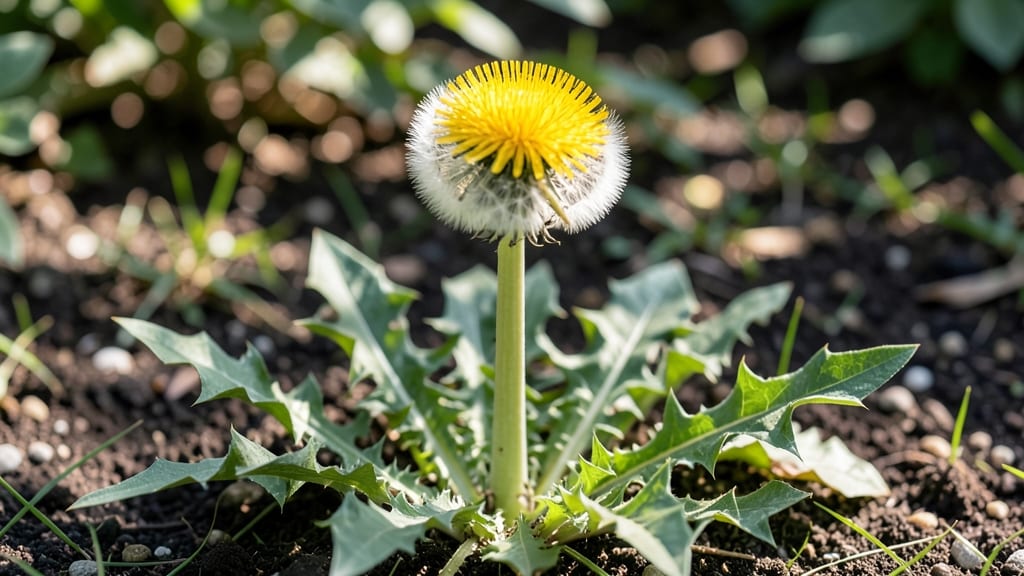
Those white puffy seeds are nature's way of saying "spring is here"—but they also mean lawn battles ahead. 🌱 Dandelions thrive in thin grass, and their deep roots make them stubborn weeds. The good news? With the right approach, you can reclaim your lawn without harsh chemicals.
Start by pulling weeds when the soil is moist (morning works best) and grab the roots—even the tiniest pieces regrow. For stubborn patches, smother them with thick cardboard or landscape fabric for a few months to starve the roots. Corn gluten meal in early spring prevents new seeds from sprouting.
You'll see fewer dandelions within weeks if you combine manual removal with prevention. The key is consistent care—think of it like lawn maintenance, not a one-time fix. Healthy grass crowds out weeds naturally over time. For large areas, consider overseeding with a shade-tolerant grass mix in fall.
The denser the grass, the fewer gaps for dandelions to exploit. Patience pays off—your lawn will thank you next spring!
📚 In This Guide
- What you need
- Instructions
- Tips and common mistakes
- Wrapping up and next steps
What you need
- ● Dandelions: At least 5–10 mature plants (or more, if your lawn is full of them!) with fully developed white puffy seed heads.
- ● Scissors or pruners: Sharp, clean pair (small gardening shears work great for precision).
- ● Cardboard or newspaper: Enough to cover a small section of lawn (about 2–3 sheets per square yard).
- ○ Compost or mulch: 1–2 inches of organic material (optional but helpful for soil health).
- ● Watering can or hose: For gentle hydration (avoid strong streams that can disperse seeds prematurely!).
- ● Pollinator-friendly plants: Seeds or seedlings for bees, butterflies, and birds (e.g., clover, milkweed, or native wildflowers).
- ● Gloves: To protect your hands from prickly stems or soil debris.
- ● Markers or stakes: To label sections if you’re testing different areas.
- ● Camera: To document your lawn’s transformation over time!
How to harness dandelion white puffy seeds for pollinators
Turn that "weed" into a free, easy pollinator magnet—here's how to work with dandelion seeds instead of against them.
🌱 Step 1: Identify and Preserve Mature Seed Heads
Wait until dandelion seed heads turn from green to golden brown—this means they're fully mature and ready to disperse. I always spot them in late spring when the puffballs start forming. Don't cut them down yet! These seed heads are nature's perfect pollinator snack pack, especially for bees and butterflies.
Here's the thing—dandelions are one of the first food sources available in early spring. If you mow too early, you're eliminating a critical food source when pollinators are just waking up from winter. Let at least 4-6 plants mature per yard section to provide enough seeds for your local ecosystem.
☀️ Step 2: Create Pollinator-Friendly Zones
Designate a small corner of your lawn (about 2 feet by 2 feet) where you'll allow dandelions to grow undisturbed. This creates a dedicated pollinator zone without letting them take over your entire yard. I like to mark these areas with small garden flags or natural stones so I remember not to mow them.
For maximum impact, place this zone near other pollinator-friendly plants like clover, violets, or early-blooming perennials. The combination of dandelion seeds and these plants provides continuous food sources as different pollinators become active throughout the season. You'll notice bees and butterflies visiting more frequently when you have these clusters together.
💧 Step 3: Water Strategically to Encourage Seed Production
During dry spells, give these preserved dandelions a deep watering once a week. The goal is to keep the soil moist but not soggy—think of it as giving them a drink rather than a bath. I water in the early morning so the leaves have time to dry before evening, which prevents fungal diseases.
This step is crucial because well-hydrated plants produce more robust seed heads. You'll see stronger, taller stems that hold more seeds. When the seed heads form, they'll be more abundant and provide better nutrition for pollinators. Remember, you're not trying to grow giant dandelions—just healthy ones that produce plenty of seeds.
✂️ Step 4: Time Your Seed Collection for Maximum Benefit
Collect seeds when they're fully mature but before they've all dispersed naturally. I usually harvest them in late May or early June, depending on my climate. The best time is on a dry day when the seed heads are completely brown and the puffballs are ready to release seeds at the slightest touch.
To collect, gently grasp the seed head and place it in a paper bag. You don't need to be gentle—these seeds are meant to travel! Once collected, you can either leave them in the bag to disperse naturally in another area of your yard or scatter them directly onto a pollinator garden. This gives you control over where these valuable seeds land while still benefiting pollinators.
🪴 Step 5: Maintain Year-Round Pollinator Support
After the seeds have dispersed, don't forget about your pollinator zones. Leave the dried stems and seed heads until late fall or early winter. These provide shelter for overwintering pollinators and continue to offer seeds for late-season visitors. I often leave them until the first hard frost when they naturally break down.
In early spring, you'll see the cycle begin again as new dandelion shoots emerge. This creates a continuous food source that pollinators rely on. By working with dandelions instead of against them, you're creating a self-sustaining ecosystem that requires minimal effort from you. It's one of the easiest ways to support pollinators in your landscape.
Tips & tricks for perfect pollinator-friendly dandelion seed gardens
Here's what nobody tells you about making the most of those "weeds" in your yard.
Timing is Everything: The golden brown color of mature seed heads is your cue—they should be completely dry and ready to disperse at the slightest breeze. I check them in late May or early June when the puffballs form. If you wait too long, the seeds will scatter naturally, and you'll miss your chance to guide them where pollinators need them most. The key is acting before the wind does!
Zone Design Matters: That 2-foot by 2-foot pollinator zone isn't just arbitrary—it's the perfect size to create visible impact without encouraging dandelion takeover. I've found that placing these zones near existing pollinator-friendly plants like clover creates a "superhighway" for bees and butterflies. The combination of dandelion seeds and these plants provides continuous nutrition as different pollinators become active throughout the season.
Watering Wisdom: When you water these preserved dandelions, think "deep drink" not "soaking bath." A thorough watering once a week keeps the soil moist but not soggy, which prevents fungal diseases. I always water in the early morning so the leaves have time to dry completely before evening. This simple habit makes a huge difference in seed production—you'll see stronger stems that hold more seeds for pollinators.
Harvesting Hack: Use paper bags for seed collection—they're breathable and let seeds disperse naturally when you're ready. I've tried plastic bags before, and they create a humid environment that can cause mold. The paper bags also make it easy to see when the seeds are ready to release. Once collected, you can either let them disperse in another part of your yard or scatter them directly onto pollinator gardens for instant impact.
Pro Tips for Dandelion Lawn Weed White Puffy Seeds
- Here's what nobody tells you about making the most of those "weeds" in your yard.
- Timing is Everything: The golden brown color of mature seed heads is your cue—they should be completely dry and ready...
- Zone Design Matters: That 2-foot by 2-foot pollinator zone isn't just arbitrary—it's the perfect size to create visib...
Frequently asked questions
Why do dandelions produce those white puffy seeds?
The white, puffy seeds (technically called achenes) are part of dandelion’s survival strategy! Each seed has a parachute-like tuft that catches the wind, allowing them to travel far from the parent plant. This ensures dandelions spread widely—even in your lawn. Nature’s built-in lawn aerator, really!
When is the best time to remove dandelions before they seed?
Act fast! Remove dandelions before they bolt (shoot up tall stems) or produce yellow flowers. Late winter to early spring is ideal—dig them out when the soil is soft. If you spot them flowering, cut the stems at ground level to prevent seed production. Pro tip: Repeat weekly to stay ahead!
Are dandelions harmful to my lawn or garden?
Not at all! While they’re often called "weeds," dandelions are harmless to grass and even beneficial. Their deep roots aerate soil, and their flowers feed pollinators. However, if you dislike their look, they can spread aggressively. Consider leaving a few for bees—or remove them early to keep your lawn tidy.
What’s the easiest way to prevent dandelions from returning?
Combine these tactics for long-term control:
- Mow high (3–4 inches) to shade out weeds.
- Hand-pull young dandelions regularly.
- Improve soil with compost to crowd them out.
- Avoid herbicides—they can harm pollinators.
Can I use dandelion seeds for anything besides "annoying my neighbors"?
Those puffy seeds are edible (young leaves and roots too!) and packed with nutrients. Try:
- Blowing them into a wish (classic!).
- Using them as a natural dye for crafts.
- Feeding them to birds or bees.
- Making dandelion wine or tea!
Wrapping up and next steps
So, there you have it—dandelions aren’t just weeds; they’re nature’s pollinator powerhouses! 🌼 By embracing those white, puffy seeds, you’re creating a thriving ecosystem right in your backyard. Whether you’re turning them into a wildflower meadow or simply learning to appreciate their benefits, every step helps.
Ready to take action? Start small—plant a few dandelions, share your newfound knowledge with neighbors, or even experiment with dandelion recipes! The more you engage, the more you’ll see how these resilient plants can transform your lawn (and the planet) for the better. Happy gardening! 🌱