
Lawn
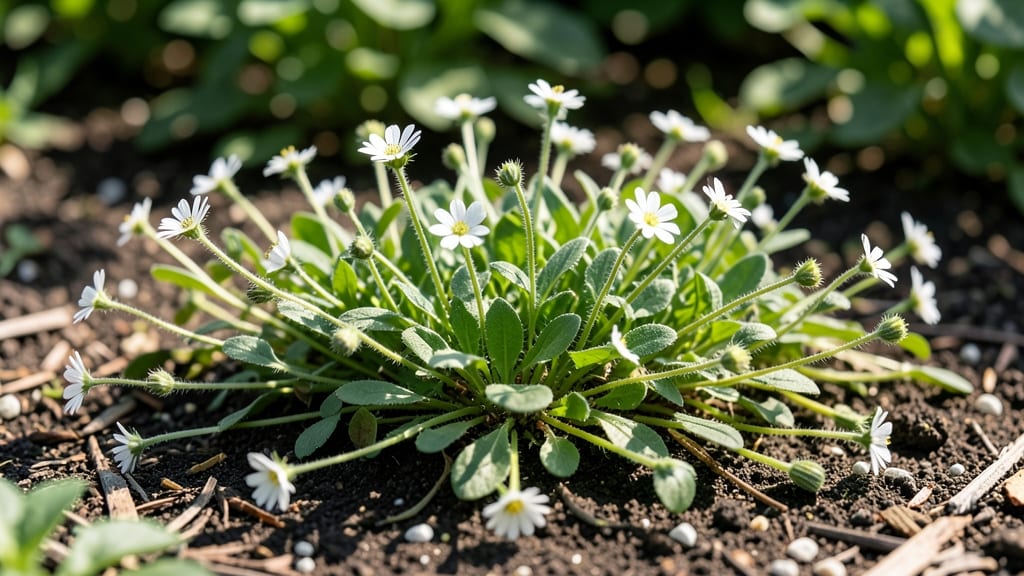
Spotting chickweed in lawn pictures of your yard before it takes over is half the battle. 🌱 This fuzzy, low-growing weed spreads fast, smothering grass and creating that "worn-out" look—especially in shady areas where grass struggles.
The key? Knowing what to look for: tiny oval leaves, delicate stems, and clusters of white flowers that pop up in spring.
Here's the thing—chickweed isn't harmful, but it competes with grass for nutrients and water. My lawn used to look patchy until I learned to pull it early, before the seed pods form.
A quick walk with gloves and a bucket works better than herbicides, and it's safer for kids and pets too.
Once you spot it, act fast. Hand-pulling on damp mornings makes it easier, and mulching bare spots afterward helps grass reclaim the space. The goal is to weaken its hold before it spreads to your garden beds—where it can become even harder to control.
Works for any lawn type, but shade-loving grasses like fine fescue handle chickweed better than sun-loving varieties. Let's get that lawn looking thick and healthy again!
Root Causes Of Lawn Invaders
Chickweed isn’t just a random weed—it’s a strategic opportunist that thrives when your lawn’s balance is off. Understanding why it appears helps you stop it before it takes over. Here’s the science behind its sneaky success:
Chickweed loves weak, compacted, or nutrient-poor soil because it’s a shallow-rooted annual that germinates fast in disturbed areas. Here’s how it exploits your lawn:
- Low nitrogen levels: Chickweed thrives in soil with less than 3% organic matter. Healthy lawns (5%+ organic matter) crowd it out.
- Clay or sandy soil: These textures don’t drain well (clay) or hold moisture poorly (sandy), creating pockets where chickweed’s seeds sprout.
- Thin grass cover: Bare spots from drought, foot traffic, or poor mowing let sunlight hit the soil—chickweed’s greenhouse effect (it grows faster in light).
Actionable fix: Test your soil pH (ideal: 6.0–7.0) and amend with compost or a slow-release nitrogen fertilizer like milorganite.
Chickweed is 90% water—it needs consistent moisture to spread. Here’s how excess water helps it:
- Frequent light watering: Chickweed seeds need only 0.2 inches of water to germinate. Daily sprinklers (even from dew) trigger mass sprouting.
- Poor drainage: Waterlogged areas suffocate grass roots but feed chickweed’s shallow roots, which absorb moisture quickly.
- Morning watering: Leaves dew on leaves, creating a micro-greenhouse that speeds up germination.
Actionable fix: Water deeply 2–3 times per week (1 inch total) and early in the morning to reduce humidity on leaves.
Chickweed hunts for gaps in your lawn’s defense. Common stressors that invite it:
| Stressor | How Chickweed Exploits It | Fix It With |
|---|---|---|
| Drought | Grass goes dormant; chickweed’s succulent stems retain water longer. | Drought-resistant grass (e.g., tall fescue) + deep watering. |
| Heavy foot traffic | Compresses soil, crushing grass roots and creating bare patches. | Walk on paths or use gravel in high-traffic areas. |
| Fungal diseases (e.g., brown patch) | Kills grass in patches, leaving sunlit soil for chickweed seeds. | Fungicide (e.g., propiconazole) + overseeding. |
Actionable fix: Overseed thin areas in fall (chickweed’s weak season) with perennial ryegrass for fast coverage.
Chickweed outruns grass because it grows 2–3 times faster in ideal conditions. Here’s why it wins:
- Grass grows 2–4 inches/year; chickweed grows 6+ inches in 30 days.
- Grass needs 60+ days to fill gaps; chickweed bolts to seed in 45 days.
- Grass roots die in shade; chickweed tolerates partial shade (though it prefers sun).
Actionable fix: Mow high (3–4 inches) to shade out chickweed and fertilize in early spring to boost grass growth speed.
Quick Fixes for Chickweed Overrun
Chickweed may seem like a stubborn nuisance, but with the right approach, you can reclaim your lawn without breaking a sweat. Below are targeted solutions tailored to the most common causes of chickweed infestations—plus proactive tips to keep it from staging a comeback.
Fix: Thick, healthy grass is chickweed’s worst enemy. If your lawn is sparse, it’s an open invitation for weeds to move in.
- 🔥 Overseed Bare Spots Rake out dead grass or thin areas, then spread fresh seed. Choose a grass type suited to your climate (e.g., fescue for cool regions, Bermuda for warm). Water lightly daily until germination (about 2–3 weeks).
- 🍳 Fertilize Smartly Apply a balanced, slow-release fertilizer (10-10-10 or similar) in early spring or fall. Chickweed thrives in nutrient-poor soil—give your grass the edge it needs.
- 👨🍳 Soil Test First Before seeding, test your soil’s pH (ideal: 6.0–7.0). Amend with lime (to raise pH) or sulfur (to lower it) if needed. Healthy soil = fewer weed opportunities.
💡 Pro Tip: Use a slit seeder for precision—it cuts through thatch and deposits seed directly into the soil, boosting success rates.
Fix: Chickweed loves moisture. If your lawn stays soggy, it’s a weed magnet.
- ⏰ Adjust Your Watering Schedule Water deeply 2–3 times per week (early morning is best) instead of daily light sprinkles. Aim for 1–1.5 inches per week. Let the top inch of soil dry between waterings to discourage chickweed.
- 🔪 Improve Drainage If your lawn has low spots, level them with compost or sand. For clay-heavy soil, mix in organic matter (like peat moss or compost) to improve aeration.
- 🌡️ Avoid Mornings with Dew Chickweed germinates best in damp conditions. If possible, water in the late afternoon to reduce overnight moisture buildup.
💡 Pro Tip: Install a rain gauge to monitor watering accuracy—overwatering is a silent weed-feeder!
Fix: Chickweed spreads when lawn care takes a backseat. Stay ahead with these low-effort habits.
- 🔪 Mow High and Regularly Set your mower to 3–4 inches—taller grass shades the soil, blocking chickweed seeds from sunlight. Mow when grass is dry to avoid spreading weeds via clippings.
- 🌡️ Dethatch Annually A layer of thatch (dead grass buildup) smothers soil and traps moisture—chickweed’s favorite conditions. Rent a dethatcher or use a rake to remove excess thatch in early spring.
- 🎯 Spot-Treat Early Pull chickweed by hand when soil is moist (it slides out easily). For stubborn patches, use a weed torch (for dry conditions) or a vinegar-based herbicide (20–30% acetic acid) on sunny days.
💡 Pro Tip: Pre-emergent herbicides (like corn gluten meal) can prevent chickweed seeds from sprouting—apply in early spring before germination.
Fix: Chickweed often moves in when grass is struggling. Protect your lawn during extreme weather.
- 💪 Mulch with Grass Clippings Leave clippings after mowing—they act as a natural mulch, retaining moisture and shading weeds.
- 🥗 Use a Light Mulch Layer Spread straw or wood chips (1–2 inches) over bare soil in high-traffic or sunny areas. This blocks sunlight and conserves water.
- 🍎 Choose Drought-Tolerant Grass If your lawn frequently dries out, switch to tall fescue, zoysia, or buffalo grass, which handle heat and drought better than cool-season grasses.
✨ Bonus Tip: Shade-loving chickweed? If your lawn has trees, consider shade-tolerant grasses like fine fescue to outcompete weeds naturally.
Final Reminder: Consistency is key! Chickweed won’t disappear overnight, but a thick lawn, proper watering, and regular upkeep will starve it out over time. Start with one or two fixes this week—your lawn will thank you!
Frequently asked questions about chickweed in lawns
How can I tell if those fuzzy green patches are chickweed?
Look for tiny oval leaves with a slightly fuzzy texture and delicate stems that sprawl along the ground. Chickweed also forms clusters of small white flowers in spring, which help distinguish it from clover or moss. The leaves grow in pairs along the stem, unlike creeping charlie which has a single leaf at each node.
Is chickweed harmful to my lawn?
Not harmful in the sense of disease, but it's a competitive nuisance. Chickweed smothers grass by stealing nutrients and water, creating that thin, patchy look. The real issue is its rapid spread—one plant can produce 15,000+ seeds per season, turning small patches into lawn-wide infestations if ignored.
What's the best time of year to remove chickweed?
Early spring and fall are ideal because chickweed is young and tender then, making it easier to pull. Aim for morning removal when soil is damp (but not wet) for clean extraction. Avoid summer when it's bolting to seed—removing just the flowers can prevent next year's infestation.
Will vinegar kill chickweed without harming my grass?
Yes, but with caution! Use 20-30% acetic acid vinegar on sunny days when grass is dry. Spray directly on chickweed (avoid grass blades) and watch for results in 24-48 hours. For safety, test a small area first—some grass varieties may show temporary browning. A 1:1 vinegar:water mix reduces risk while still killing weeds.
Can I use corn gluten meal to prevent chickweed?
Apply 20 pounds per 1,000 sq ft in early spring (before chickweed germinates) as both a pre-emergent herbicide and fertilizer. It contains natural compounds that inhibit seed germination while providing nitrogen. Reapply in fall for year-round protection—just keep it away from newly seeded areas.