
Pests
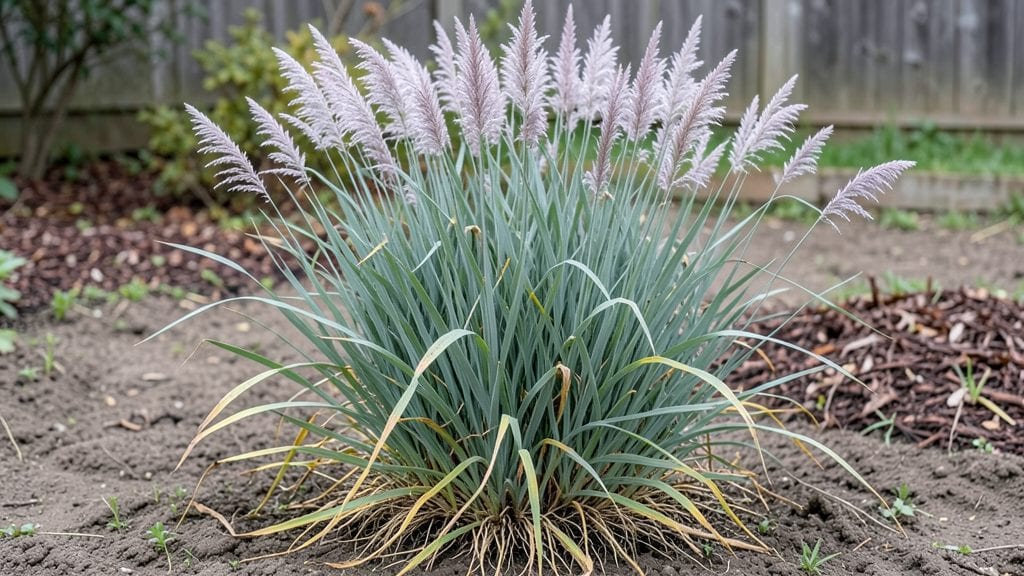
Chinese silver grass is invasive because it grows aggressively with deep roots and spreads quickly, crowding out native plants and harming local ecosystems. Spot it by its silvery-blue leaves and dense clumps, then stop its spread with manual removal, targeted herbicides, or covering methods before it overtakes your yard.
This grass isn't just fast-growing—it's a stealthy invader. 🌱 Its underground rhizomes can stretch 10 feet or more, making it nearly impossible to fully uproot in one session. What's worse, it thrives in disturbed soils, like construction sites or garden beds, where it outcompetes wildflowers and grasses within months.
I’ve seen entire meadows turn monochromatic in just two growing seasons, which is why early action is critical. The key is catching it before it forms those dense, impenetrable clumps that even mowers struggle to cut through.
If you're dealing with an established patch, don’t rush—timing matters. Early spring or late fall is ideal for manual removal because the plant is less aggressive and easier to pull.
For larger infestations, a glyphosate-based herbicide applied directly to the foliage works best, but always follow label instructions to avoid harming nearby plants. Smothering with thick mulch or landscape fabric can also weaken it over time, though this takes patience and consistency.
💡 In This Article
- How Chinese Silver Grass Spreads and Outcompetes Native Plants
- Step-by-Step Guide to Eradicating Chinese Silver Grass
How Chinese silver grass spreads and outcompetes native plants
Chinese silver grass (Bothriochloa ischaemum) dominates landscapes through a combination of biological advantages that few native plants can match. Its rhizomatous root system can extend horizontally up to 15 feet, creating an underground network that allows it to regenerate even after mowing or partial removal.
This is similar to how cogon grass (Imperata cylindrica) spreads, but silver grass’s roots are more aggressive, penetrating deeper—sometimes reaching 3 feet below the surface. 🔥
The plant’s drought tolerance is another key factor. Unlike many ornamental grasses, Chinese silver grass thrives in dry conditions by reducing water loss through its silvery-blue, waxy leaf blades. These leaves reflect sunlight, lowering leaf temperatures by 5-10°F compared to surrounding vegetation.
This adaptation allows it to outcompete moisture-sensitive native species during droughts, which are becoming more frequent due to climate change. Its ability to survive on as little as 1 inch of annual rainfall makes it nearly unstoppable in arid or disturbed soils.
Seed dispersal adds another layer to its invasiveness. A single mature plant can produce thousands of seeds per season, which spread via wind, water, or animal fur. Unlike bamboo, which relies on clumping growth, silver grass’s seeds germinate quickly—sometimes within 7-10 days—giving it a head start over slower-growing natives.
This rapid germination, combined with its C4 photosynthetic pathway (a trait shared with corn and sugarcane), allows it to fix carbon more efficiently than most competing grasses, further accelerating its dominance.
Ecologically, its spread disrupts soil microbial communities by altering nutrient cycles. Studies show that invaded soils have lower nitrogen levels due to the grass’s high carbon-to-nitrogen ratio, which starves native plants dependent on nitrogen-rich environments.
For example, in the southeastern U.S., silver grass invasions have reduced biodiversity in prairie ecosystems by 40% within five years. 🌱 Unlike bamboo, which forms dense but manageable clumps, silver grass’s rhizomes create a monoculture-like blanket, smothering wildflowers and ground covers.
What makes it particularly insidious is its phenotypic plasticity—its ability to adapt to different light and soil conditions. In full sun, it grows upright and aggressive; in shaded areas, it spreads horizontally to maximize coverage.
This flexibility, paired with its lack of natural predators in many regions, means it can thrive in gardens, pastures, and even urban green spaces without significant resistance.
Comparing it to cogon grass, which also spreads via rhizomes, silver grass’s faster growth rate (up to 12 inches per month in ideal conditions) gives it a competitive edge.
Understanding these mechanisms is crucial because they explain why traditional lawn care methods—like mowing alone—often fail. The plant’s deep roots and rapid regeneration mean that even monthly mowing won’t stop its spread.
Instead, integrated approaches combining herbicide treatment, soil solarization, and competitive planting are needed to regain ecological balance. 💫