
Lawn
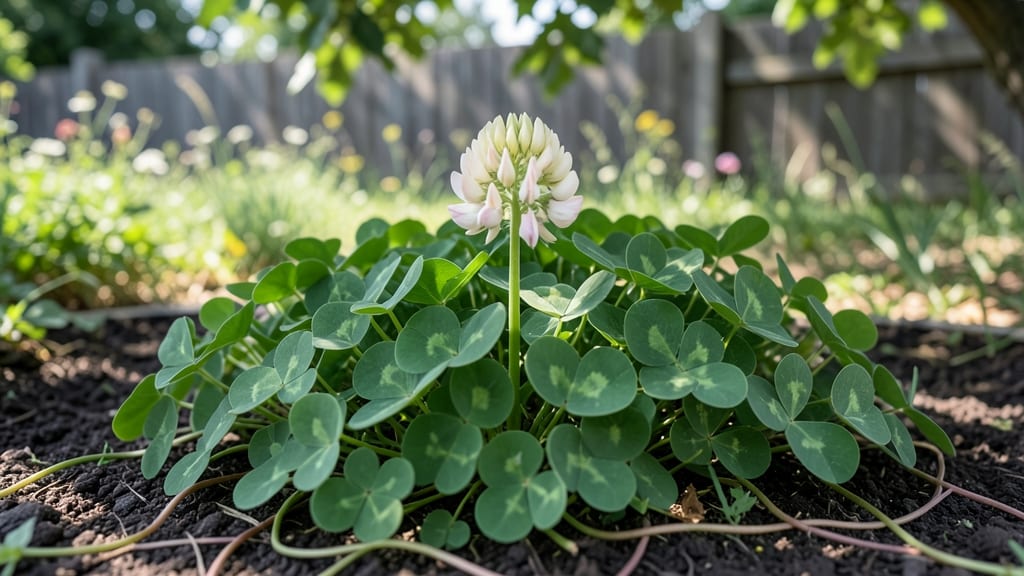
That clover-like weed creeping into your lawn isn’t just an eyesore—it’s stealing nutrients and crowding out your grass. 🌱 I’ve battled it for years, and the key to perfect lawns starts with knowing exactly what you’re dealing with before you pull it.
The first step is proper identification—many people mistake creeping Charlie (a clover lookalike) for actual clover. True clover has trifoliate leaves and a sweet scent, while weeds like dollarweed have smooth, waxy leaves and no flowers.
Once you spot them, timing is everything: pull them when the soil is moist but not soggy, and repeat weekly to prevent regrowth. By the end of summer, your lawn will look thick, uniform, and free of those stubborn invaders. The secret?
A mix of manual removal, smothering with cardboard, and overseeding with shade-tolerant grass. It takes patience, but the payoff is worth it—no more patchy, weedy lawns. Works for both sunny and shady yards, and the methods scale from small patches to full lawns. Let’s get that green perfection back!
Root Causes Of Lawn Invaders
If your lawn is slowly turning into a patchwork of clover-like weeds, you’re not alone—these resilient plants thrive when conditions are just right for them. Understanding why they take over is the first step to reclaiming your grassy paradise.
Below, we break down the science-backed reasons these weeds sneak in and spread like wildfire.
Weeds like clover (or look-alikes such as white Dutch clover or microclover) often invade lawns because they’re opportunists—exploiting weak soil where grass struggles to grow. Here’s why:
- Low nitrogen levels: Grass needs nitrogen to grow thick and lush. If your soil is nitrogen-deficient, clover-like weeds fill the gap because they can fix nitrogen from the air through bacteria in their roots. Think of them as nature’s fertilizer cheats!
- Compacted soil: Heavy foot traffic, machinery, or clay-heavy soil compresses the ground, reducing oxygen and water availability. Grass roots suffocate, while weeds with shallow, spreading roots thrive in these conditions.
- pH imbalances: Most grasses prefer a soil pH between 6.0 and 7.0. If your lawn is too acidic (<6.0) or alkaline (>7.0), grass weakens, and clover-like weeds—often more pH-tolerant—move in.
💡 Pro Tip: Test your soil’s pH and nutrient levels with a DIY kit (available at garden centers). If nitrogen is low, apply a slow-release fertilizer or compost to restore balance.
Grass doesn’t grow in a vacuum—it competes for space, sunlight, and resources. When your lawn develops thin or bare patches, weeds seize the opportunity. Here’s how it happens:
- Overwatering or underwatering: Both extremes stress grass. Overwatering leads to fungal diseases (like brown patch), while drought weakens roots. Weeds, with their deep or sprawling root systems, outcompete struggling grass.
- Poor mowing habits: Cutting grass too short (scalping) exposes soil to sunlight, encouraging weed seeds to germinate. Conversely, leaving grass too tall can shade out young grass seedlings, leaving gaps for invaders.
- Foot traffic & pet damage: Compacted or trampled areas create bare spots where weeds like clover take root. Even a single missed patch can multiply into a full-blown infestation.
🌡️ Actionable Fix: Mow at the right height (usually 2.5–3.5 inches for most grasses) and water deeply but infrequently (1–1.5 inches per week). Overseed bare spots with a high-quality grass mix to crowd out weeds.
Clover-like weeds don’t just appear—they’re often deliberately or accidentally introduced to your lawn. Here’s how:
- Wind & animal dispersal: Lightweight clover seeds hitch rides on breezes, while animals (like birds or rabbits) spread them through their droppings. Once landed, they germinate quickly in moist soil.
- Contaminated grass seed or soil: Some "weed-free" grass seed mixes contain clover as a filler (it’s cheap and fixes nitrogen). Even topsoil or compost from unknown sources may harbor weed seeds.
- Vegetative spread: Weeds like white clover reproduce via stolons (above-ground runners) or rhizomes (underground stems). A single plant can create a dense mat in weeks.
✨ Prevention Tip: Buy certified weed-free grass seed from reputable suppliers. If you’re unsure about soil sources, sterilize topsoil by baking it in the oven at 200°F for 30 minutes to kill seeds.
Healthy grass is naturally resistant to weeds because it outcompetes them for resources. But when grass is stressed, weeds exploit the opening. Common stressors include:
- Pesticide overuse: Broadleaf herbicides (like 2,4-D) can kill clover but may also harm grass if misapplied. Over time, this creates weak spots where weeds return.
- Disease or insect damage: Grubs, chinch bugs, or fungal infections (like dollar spot) weaken grass, leaving it vulnerable to weed invasion.
- Shade competition: Trees or buildings casting shade prevent grass from photosynthesizing enough to grow thickly. Weeds, often shade-tolerant, move in to fill the gaps.
🎯 Long-Term Solution: Build grass resilience with regular aeration, proper fertilization, and integrated pest management (IPM). Avoid chemical shortcuts—focus on soil health and grass density.
Eradicating Lawn Invaders Naturally
That clover-like weed creeping into your lawn isn’t just an eyesore—it’s stealing nutrients and space from your grass. The good news? You can reclaim your yard with targeted, eco-friendly strategies.
Below, we’ve mapped the most common causes of these pesky intruders to the best fixes, plus long-term prevention tips to keep your lawn lush and weed-free.
If your lawn stays soggy or you’re watering like a desert oasis, clover-like weeds thrive in the damp conditions. Here’s how to dry them out:
- 🔥 Adjust your watering schedule: Water deeply 2-3 times per week (early morning is best) instead of daily light sprinkles. Aim for 1–1.5 inches per week, including rain. Use a rain gauge or tuna can to measure.
- 🍳 Improve soil drainage: Aerate compacted soil in fall or spring with a core aerator (rent one if needed). This lets water penetrate deeper, discouraging shallow-rooted weeds.
- 👨🍳 Redirect sprinklers: Avoid overspray on sidewalks or driveways—those areas often become weed magnets. Use soaker hoses for targeted watering.
💡 Pro Tip: Test your soil’s drainage with a simple DIY test—dig a 12-inch hole, fill it with water, and time how long it takes to drain. If it’s slower than 6 hours, amend with compost or sand.
Weeds move in where grass is weak. If your lawn has bare spots or thin patches, it’s an open invitation. Strengthen your defense with these steps:
- 🔪 Overseed bare areas: Choose a disease-resistant grass seed matched to your climate (e.g., Kentucky Bluegrass for cool seasons, Bermuda for warm). Spread seed in early fall for best results.
- 🌱 Fertilize strategically: Apply a slow-release, nitrogen-rich fertilizer (like 24-0-6) in spring and fall. Avoid overdoing it—too much fertilizer can burn grass and leave gaps for weeds.
- 🎯 Mow high and often: Set your mower to 3–4 inches to shade out weeds. Never remove more than ⅓ of the grass blade at once.
✨ Bonus: Top-dress thin areas with a thin layer of compost before seeding to improve soil health and seed-to-soil contact.
For stubborn clover-like weeds (like white clover or creeping charlie), sometimes a little chemistry helps. But use it wisely:
- 💊 Pre-emergent herbicides: Apply in early spring to block weed seeds from germinating. Look for products with pendimethalin or prodiamine as active ingredients.
- 🔪 Post-emergent spot treatments: For existing weeds, use a selective herbicide like 2,4-D (for broadleaf weeds) or triclopyr (for tougher invaders). Always follow label instructions—never spray on windy days!
- 🌡️ Timing is everything: Apply herbicides when weeds are actively growing (spring or fall) and temperatures are 60–85°F.
💡 Pro Tip: Mix 1 tsp dish soap with your herbicide spray for better adhesion—it helps the solution stick to weed leaves.
Prefer a chemical-free approach? These homemade remedies can work for small infestations:
| Method | How to Use | Best For |
|---|---|---|
| White vinegar spray (1 gallon vinegar + 1 oz dish soap) | Spray directly on weeds (avoid desirable plants!). Reapply every 3–4 days. | Small patches of clover or chickweed |
| Corn gluten meal (apply as pre-emergent in early spring) | Spread 20 lbs per 1,000 sq ft and water in. Blocks weed seeds. | Prevention and new weed growth |
| Boiling water (for sidewalk cracks or driveways) | Pour boiling water directly on weeds—kills them instantly. | Weeds in non-lawn areas |
⚠️ Warning: Vinegar and boiling water can damage grass, so use them only on weeds and avoid overspray.
Once you’ve kicked the weeds to the curb, lock them out with these habits:
- 🌱 Mulch flower beds: Use 3–4 inches of wood chips or straw to block weed seeds from reaching your soil.
- 🔄 Regular lawn maintenance:
- Mow weekly in growing season.
- Aerate and overseed every 1–2 years.
- Test soil pH (aim for 6.0–7.0) and amend if needed.
- 🚫 Stay on top of weeds: Pull new weeds by hand before they seed—it’s the most effective control!
- 🌿 Encourage natural predators: Birds, insects, and even some fungi help control weeds. Avoid overusing pesticides to keep the ecosystem balanced.
With consistency, your lawn will crowd out weeds naturally, leaving you with a thick, green carpet instead of a weed buffet. 🌿
Frequently asked questions
How can I tell if my clover-like weed is actually clover or something else?
True clover has three leaflets (trifoliate) with a distinct white or pink V-shape at the base. Weeds like creeping Charlie (ground ivy) have scalloped edges and a minty scent when crushed, while dollarweed has smooth, waxy leaves. Look for flowers too—clover blooms with spherical heads, while many weeds produce tiny white or green flowers.
Is there a way to kill clover-like weeds without harming my grass?
Yes! For spot treatment, use a selective herbicide like 2,4-D in early spring or fall when weeds are actively growing. For organic methods, try a vinegar spray (1 gallon vinegar + 1 oz dish soap)—just apply carefully to avoid grass damage. Always test on a small area first.
Will pulling weeds by hand actually work long-term?
It works best if you're consistent and pull weeds before they seed. For clover-like weeds with deep roots (like creeping Charlie), dig out the entire root system to prevent regrowth. Combine hand-pulling with overseeding and proper lawn care to crowd out weeds naturally over time.
Can clover-like weeds actually be beneficial for my lawn?
Some clovers (like white clover) fix nitrogen in the soil, which can improve grass health. However, aggressive spreaders like creeping Charlie can choke out grass. If you want the benefits without the weeds, consider planting microclover—a low-growing variety that stays controlled while still improving soil.
Why do clover-like weeds keep coming back even after treatment?
Weeds often return due to dormant seeds in the soil or underground runners. For persistent problems, combine treatments: apply pre-emergent herbicide in spring, hand-pull visible weeds, and improve lawn density through overseeding and proper fertilization. Consistency is key!