
Lawn
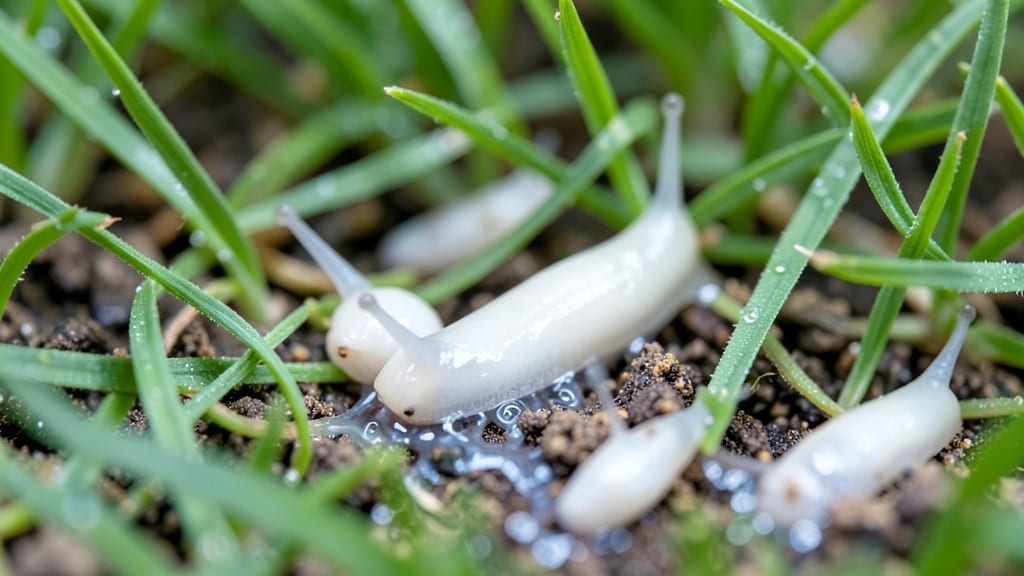
Tiny white snails in my lawn? Those aren’t snails—it’s grub eggs from Japanese beetles, and they’re about to turn your grass into a skeleton. 🌱 I’ve seen lawns go from lush green to patchy brown overnight because of these pests, and the damage starts underground before you even notice.
The good news? You can stop them before they hatch. The key is pre-emergent grub control applied in early summer when beetles lay eggs. A single treatment creates a chemical barrier that kills 90% of eggs before they become grubs.
Without grubs, you won’t get the telltale brown patches or mole tunnels later in the season. What you’ll end up with is a lawn that stays thick, green, and resilient—no more guessing if those bare spots are drought or beetle damage.
The treatment lasts 2-3 months, so timing is everything. Apply it when soil temps hit 60°F (usually June in most regions), and you’ll see results within 2-4 weeks. This works for both organic (nematodes, milky spore) and synthetic (imidacloprid-based) approaches.
The key is consistency—repeat treatments if you see eggs again next year. Your lawn will thank you.
Root Causes Of Lawn Invaders
Discovering tiny white snails—or more accurately, their larvae—crawling across your lawn isn’t just a surprise; it’s a sign your yard is hosting an unseen feast.
These pests, often mistaken for snails due to their similar appearance, are actually the larval stage of beetles, most commonly the white grubs of June bugs or Japanese beetles. Understanding why they show up helps you tackle the problem at its source.
Let’s break down the key reasons these critters invade your lawn, so you can outsmart them before they wreak havoc.
White grubs thrive in moist, soft soil—conditions that often arise from overwatering or poor drainage. Here’s why:
- Excess moisture creates the perfect environment for grubs to burrow and feed on grass roots. If your lawn stays soggy for days after watering, you’re essentially rolling out a welcome mat.
- Compacted soil, common in lawns with heavy foot traffic or clay-rich areas, prevents water from draining properly. This trapped moisture becomes a magnet for grubs.
- Thatch buildup (a layer of dead grass and roots) can also trap moisture, making the upper soil layers ideal for grub activity.
Actionable fix: Test your soil’s drainage by digging a small hole and filling it with water. If it doesn’t drain within 6 hours, you’ve got a moisture problem. Adjust your watering schedule to deep, infrequent sessions (1–1.5 inches per week) and aerate compacted areas to improve airflow.
Grubs don’t just show up out of nowhere—they’re drawn to lawns where the grass is already struggling. Weak grass provides an easy buffet of tender roots and organic matter. Common stressors include:
- Nutrient deficiencies: Lawns lacking nitrogen, phosphorus, or potassium have softer roots, making them a grub’s dream meal.
- Disease or fungal infections: Fungal issues like brown patch or dollar spot create dead patches, which grubs happily munch on.
- Pest damage
- Improper mowing: Cutting grass too short exposes roots and stresses the plant, signaling to grubs that it’s time to dine.
Actionable fix: Conduct a soil test to identify deficiencies and fertilize accordingly. Mow at the highest recommended height for your grass type (usually 3–4 inches) to promote root depth and resilience. If fungal issues are present, treat them with targeted fungicides before grubs arrive.
Grubs love hiding in decaying organic matter because it provides shelter, moisture, and a steady food source. Common culprits include:
- Leaf litter: A thick layer of fallen leaves traps moisture and creates a cozy habitat for grubs to overwinter.
- Grass clippings: Leaving clippings piled up (rather than mulching them thinly) can smother grass and attract grubs.
- Wood chips or mulch: While mulch is great for gardens, it can invite grubs if applied too thickly near lawn edges.
Actionable fix: Keep your lawn free of thick debris by regularly raking leaves and clippings. If you mulch, use a string trimmer to create a clean border between mulched areas and grass. For existing mulch piles, till them into the soil to eliminate hiding spots.
You might not see the adults, but their presence is the real reason grubs appear. Female beetles lay eggs in lawns during late spring to early summer, and those eggs hatch into the white grubs you’re dealing with. Key triggers for adult beetle visits:
- Light-colored lawns: Beetles are attracted to lighter-colored grass, as it reflects heat and signals a drier (but still moist enough) environment.
- Nearby trees and shrubs: Many grub-producing beetles (like Japanese beetles) feed on foliage before laying eggs in grassy areas.
- Urban or suburban landscapes: Lawns in developed areas with minimal natural predators (like birds or toads) see higher grub populations.
Actionable fix: Monitor your lawn for adult beetles in late afternoon when they’re most active. Install beetle traps (though use them sparingly—too many can attract more beetles). If you spot them, treat the lawn with grub-specific pesticides in early summer to catch eggs before they hatch.
Pro Tip: 🔍 Timing is everything. Grubs are most vulnerable in their 3rd instar stage (late summer). Apply preventive treatments like beneficial nematodes or milky spore in early summer to disrupt their life cycle before they mature.
Quick Fixes for Tiny Garden Invaders
Discovering tiny white snails—or their slimy trails—creeping across your lawn can feel like an unexpected pest party. But don’t worry! With the right approach, you can kick them out for good while keeping your grass lush and healthy.
Below, we’ve mapped out targeted solutions based on the most common causes of these uninvited guests. Whether it’s moisture, organic debris, or a lack of predators, we’ve got you covered with practical, step-by-step fixes.
If your lawn stays soggy for too long, it becomes a buffet for tiny white snails (like slugs or snail eggs). These pests thrive in moisture, so reducing humidity is your first line of defense.
- 🌞 Improve Drainage: Aerate compacted soil to help water drain faster. Use a garden fork or rent an aerator to create small holes in the lawn. Pro tip: Do this in early fall or spring when the soil is moist but not muddy.
- 💧 Adjust Watering Habits: Water deeply but less frequently—aim for 1–1.5 inches per week. Early morning is best to allow grass to dry by evening. Avoid overhead sprinklers that leave puddles.
- 🌿 Mulch Strategically: Use coarse mulch (like pine straw or wood chips) around garden beds to absorb excess moisture. Avoid fine mulch, which can trap dampness.
Leaf litter, grass clippings, and fallen branches create hiding spots and food sources for snails and their eggs. A tidy lawn is a snail-free lawn!
- 🧹 Remove Debris Weekly: Rake up leaves, twigs, and grass clippings from your lawn and garden beds. Pay extra attention to shady, damp areas where pests love to nest.
- 🌱 Trim Overgrown Plants: Tall grass and dense foliage provide shelter. Mow regularly and trim back plants touching the ground to eliminate hiding spots.
- 🔥 Bonfire or Compost: Instead of tossing yard waste, burn it (safely!) or compost it in a sealed bin. Snail eggs and pests won’t survive high heat.
Healthy lawns naturally host predators like birds, toads, and ground beetles that feast on snails. If these helpers are missing, it’s time to roll out the welcome mat.
- 🐦 Create a Bird-Friendly Zone: Install a birdbath or bird feeder near your lawn. Native birds like robins and sparrows love snacking on snails. Avoid pesticides—they harm birds too!
- 🦎 Build a Toad House: Stack flat rocks or bricks in a shady, damp spot. Toads will move in and start hunting snails overnight. Pro tip: Keep it near a water source.
- 🌿 Plant Predator-Friendly Plants: Marigolds, thyme, and dill attract beneficial insects like ground beetles, which devour snail eggs. Add a few to your garden borders.
If snails are already wreaking havoc, traps are a quick way to catch and remove them without harsh chemicals. These methods are safe for pets and kids!
- 🍺 Beer Traps (Yes, Really!):
- Place shallow dishes (like saucers) filled with beer around your lawn.
- Snails are drawn to the yeast and drown within hours.
- Empty and refill traps every 2–3 days.
- 🥚 Egg Carton Lures:
- Cut an egg carton in half lengthwise and bury it in the soil with the open side up.
- Moisten the carton with water—snails will crawl inside overnight.
- Dispose of them in the morning by dropping them in soapy water.
- 🌙 Nighttime Salt Barriers (Use Sparingly):
- Create a ring of rock salt or diatomaceous earth around garden beds or vulnerable plants.
- Snails avoid crossing it. Warning: Only use in small areas—salt can harm plants and soil over time.
Once you’ve evicted the tiny white snails, keep them from returning with these low-maintenance habits.
- 🌱 Choose Snail-Resistant Grass: Opt for tall fescue or perennial ryegrass, which are less appealing to snails than soft, tender grasses like Kentucky bluegrass.
- 🌡️ Encourage Sunlight: Snails love shade. If possible, thin out dense tree canopies or shrubs to let more sunlight reach your lawn.
- 🎯 Regular Inspections: Check your lawn weekly for eggs (tiny gel-like clusters) or slime trails. Early detection = easier removal!
- ✨ Natural Deterrents: Sprinkle crushed eggshells or coffee grounds around plants. The sharp edges irritate snails’ soft bodies, keeping them away.
With these fixes, your lawn will go from snail smorgasbord to snail-free sanctuary in no time. Start with one or two methods that fit your lawn’s needs, and watch those tiny white invaders disappear for good!
Frequently asked questions
Are those tiny white snails actually snails or something else?
What you’re seeing are most likely grub eggs from beetles like Japanese beetles or June bugs—not actual snails. These eggs look like tiny white rice grains and are often found in moist lawn soil. The real culprits are the grubs that hatch from them, which eat grass roots and cause brown patches.
When should I treat my lawn for these grubs?
Apply pre-emergent grub control in early summer (June) when soil temps hit 60°F. This stops eggs from hatching. If you see grubs already, use a post-emergent treatment like imidacloprid or beneficial nematodes. Timing is critical—waiting too long means the damage is already done!
Will overwatering make the problem worse?
Grubs thrive in soggy soil. Switch to deep, infrequent watering (1–1.5 inches per week) and improve drainage by aerating compacted areas. Overwatering also weakens grass, making it easier for grubs to feast on roots. Let the top inch of soil dry between waterings.
Are there natural ways to control grubs without chemicals?
Yes! Try beneficial nematodes (like Heterorhabditis bacteriophora), which kill grubs naturally. Milky spore bacteria also works over time by infecting grubs. Encourage predators like birds, toads, and ground beetles by adding water sources and predator-friendly plants (marigolds, dill).
How do I know if my lawn has grubs or just dry spots?
Dig up a small patch of grass—if you find C-shaped white grubs (1/2–1 inch long) or their eggs, that’s your problem. Dry spots may lift easily, but grub-damaged grass pulls up like a carpet. Test in multiple areas for accuracy. If grubs are present, treat immediately!