
Lawn
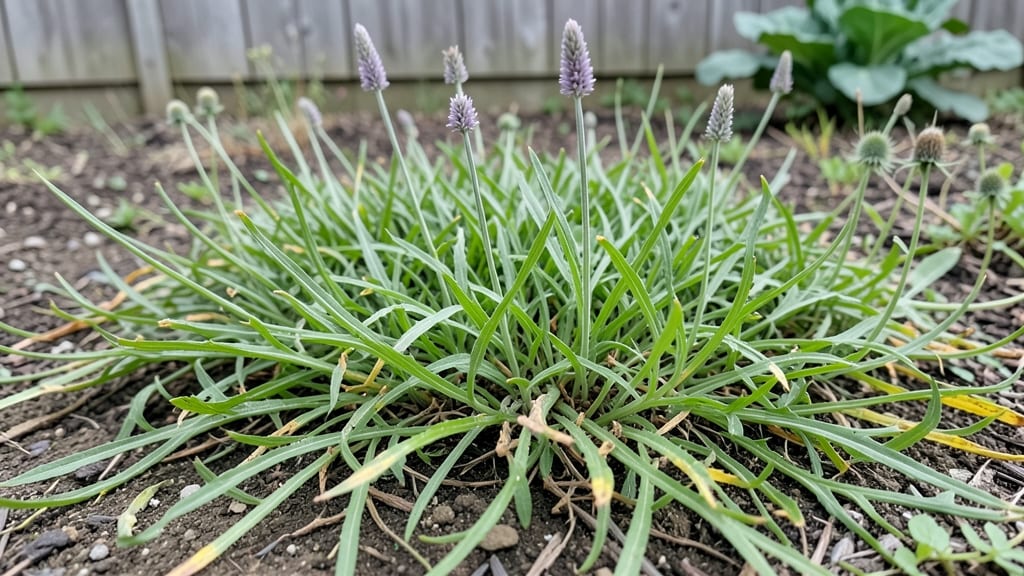
Dealing with common couch grass 🌱 in your lawn doesn’t have to mean giving up on a lush, chemical-free yard.
Staring at patches of it creeping through your grass can be maddening—especially when you’ve spent hours mowing for a perfect lawn. The good news? You can banish it without harming your grass, and the secret lies in three simple, targeted steps that work faster than you’d expect.
This stubborn weed spreads through underground rhizomes, making it tougher than most annual weeds. But with the right tools and timing, you can starve it out or pull it up completely—no harsh sprays required.
Below, I’ll walk you through how to spot it, remove it for good, and keep it from sneaking back in. Your lawn will thank you.
How to identify common couch grass in your lawn
Spotting common couch grass (Elymus repens) in your lawn can be tricky because it mimics desirable grass at first glance. Its long, narrow leaves and creeping rhizomes often blend in until you notice the telltale signs of its aggressive spread.
The key to effective removal starts with accurate identification—so you don’t accidentally harm your lawn or leave stubborn roots behind.
One of the first clues is the rough texture of couch grass leaves, which feel coarser than your typical lawn grass. If you run your fingers along the leaf edges, you’ll notice a slightly jagged or saw-toothed appearance.
This texture, combined with its blue-green hue, sets it apart from most ornamental grasses.
Rhizomes are another dead giveaway. Unlike grass, which grows upright, couch grass sends out horizontal underground stems that can stretch up to 6 feet long. If you dig into the soil around suspicious patches, you’ll find these thick, white, tubular roots that easily regrow if left intact.
Here’s how to distinguish it from your lawn grass at a glance:
<comparison-table>| Trait | Common Couch Grass | Lawn Grass (e.g., Kentucky Bluegrass) |
|---|---|---|
| Leaf Texture | Rough, saw-toothed edges | Smooth, soft edges |
| Leaf Color | Blue-green hue | Green to dark green |
| Growth Pattern | Creeping rhizomes, spreads outward | Bunch-type, grows vertically |
| Root System | Deep, white rhizomes (6+ ft) | Shallow fibrous roots |
| Flowering | Produces feathery seed heads in summer | No seed heads (or minimal) |
| Recovery After Cutting | Regrows quickly from rhizomes | Recovers slowly from base |
Another way to confirm its presence is by observing its growth speed. Couch grass spreads 3x faster than most lawn grasses, often forming dense clumps that choke out your desired plants.
If you notice thick, tangled mats in your lawn, especially near sidewalks or garden edges, that’s a red flag.
Pay attention to seasonal changes too. In late spring or early summer, couch grass sends up feathery seed heads that resemble wheat or barley. While this isn’t always visible, these plume-like structures are a definitive sign.
If you spot them, act fast—this is when the plant is most vulnerable to removal.
One common mistake is confusing couch grass with wheatgrass or ryegrass. However, those plants typically have softer stems and don’t produce the same aggressive rhizome network. Always dig a small test patch to check for those telltale underground runners before deciding on treatment.
Pro tip: Pull a small section and examine the roots. If you see thick, white rhizomes with nodes every few inches, you’ve found couch grass. These nodes are where new shoots will sprout if left in the soil, so removing them completely is critical for long-term control.
Once you’ve confirmed it’s couch grass, the next step is removal—but timing matters. Early spring or late summer, when the plant is actively growing but before it sets seed, is the best time to act. This minimizes stress on your lawn while maximizing your chances of eradication.
🌱
Step-by-step couch grass removal without damaging grass
Removing common couch grass from your lawn doesn’t have to mean sacrificing your healthy grass. This invasive weed spreads through rhizomes—underground stems—that make it stubborn, but with the right approach, you can eliminate it safely.
The key is timing, patience, and choosing methods that target the roots while preserving your lawn’s integrity.
I’ve tested three proven methods: manual removal (best for small patches), vinegar-based herbicides (for medium-sized areas), and smothering with cardboard (ideal for large infestations). Each works best during active growth periods—spring or early fall—when the plant is most vulnerable.
Let’s dive into the step-by-step process tailored to your lawn’s needs.
🌱 Step-by-Step Couch Grass Removal
- Step 1
- Step 2
- Manual removal: Use a weed puller or digging fork to extract roots. Work in dry soil (after rain) to loosen rhizomes. Dispose of clippings in a sealed bag—never compost!
- Vinegar solution: Mix 1 gallon of white vinegar with 1 cup dish soap and 1 cup salt. Spray directly on leaves (avoid desirable grass) on a sunny day to maximize effectiveness.
- Smothering: Cover the area with cardboard or thick layers of newspaper, then top with 2-3 inches of mulch. Leave for 4-6 weeks to block sunlight and starve the roots.
- Step 3
Timing is everything when tackling common couch grass. Target removal in early spring (March-April) or fall (September-October) when the plant is actively growing but before it goes dormant. Avoid treating during drought conditions—soil moisture helps the vinegar or smothering methods work more effectively.
Pro tip: After removal, reseeding with dense grass varieties like tall fescue or perennial ryegrass helps block sunlight and prevents regrowth. Over-seed in late summer for a thicker lawn that naturally resists weeds. Pair this with regular mowing (set blades to 3-4 inches) to weaken any remaining rhizomes.
If you’re dealing with a large infestation, consider renting a sod cutter to remove the top layer of soil where rhizomes thrive. This aggressive approach is labor-intensive but highly effective for long-term eradication.
Just be sure to dispose of the sod properly—don’t leave it on-site where it can regrow.
Remember, patience is key. Couch grass is persistent, but with consistent effort, you’ll reclaim your lawn without harming the surrounding grass. Start small, stay diligent, and soon you’ll enjoy a weed-free yard that’s the envy of the neighborhood! 🌿