
Lawn
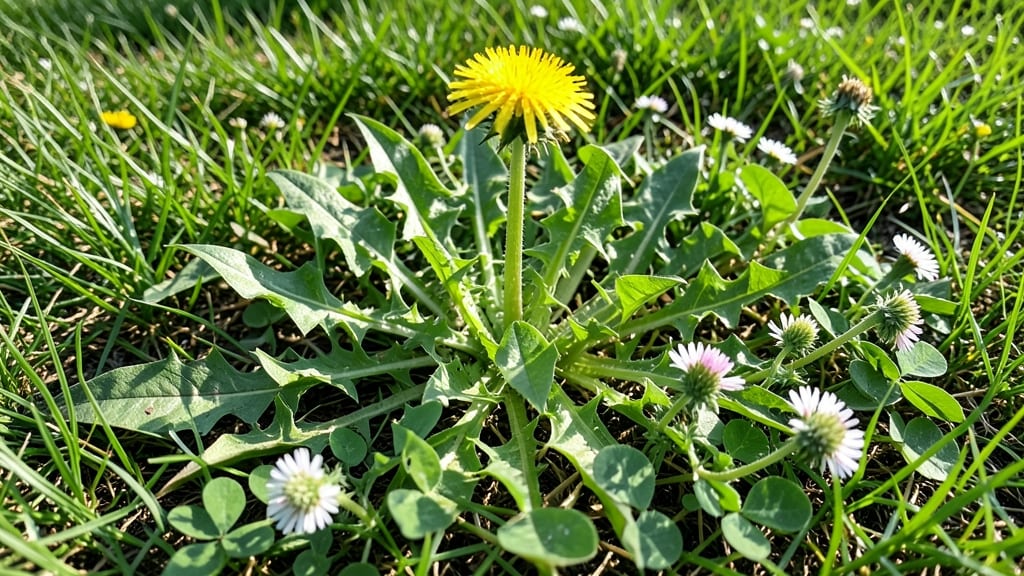
Your NJ lawn is fighting a silent battle with the common NJ lawn weeds you might not even recognize. 🌱 Crabgrass, clover, and dandelions aren’t just unsightly—they steal nutrients, crowd out grass, and make your yard look like a second-rate golf course. The good news?
Spotting them early makes removal a breeze. Crabgrass spreads like a summer heatwave, clover thrives in shady spots, and dandelions pop up where the soil’s compacted. Pulling them now saves you from a springtime cleanup marathon.
By the end of this guide, you’ll know exactly when to pull, spray, or prevent weeds—plus the NJ-specific tricks that actually work. No more guessing if that yellow flower is a weed or just a stubborn wildflower.
We’ll cover seasonal timing, the right tools for the job, and how to keep your lawn so thick weeds can’t get a foothold. Let’s reclaim that yard!
📚 In This Guide
- What you need
- Instructions
- Tips and common mistakes
- Wrapping up and next steps
What you need
- ● Garden gloves – A pair of durable, nitrile-coated gloves (size medium/large) to protect your hands from thorns and chemicals.
- ● Hand weeder or dandelion digger – A sturdy, stainless-steel tool (like the Fiskars model) for deep-rooted weeds.
- ● Grass shears or hedge clippers – For trimming weeds close to the ground (e.g., blackberry or creeping Charlie).
- ● Broadcast spreader – A handheld or wheeled spreader (capacity: 10–25 lbs) for even fertilizer/pre-emergent application.
- ● Weed killer (selective or non-selective) – Glyphosate-based (e.g., Roundup) for non-selective weeds (kill-all areas).
- ● Pre-emergent herbicide (e.g., Preen) for preventative use (apply in early spring).
- ● Lawn rake – A bow rake (with flexible tines) to remove debris and loosen soil before seeding.
- ● Wheelbarrow or bucket – For hauling weeds, soil, or mulch (5–10 gallon capacity).
- ● Weed identification guide – A printed chart or phone app (like PlantNet) to confirm weed types.
- ● Vinegar spray (natural killer) – Mix 1 gallon vinegar + 1 cup salt + 1 tbsp dish soap for spot treatment.
- ● Corn gluten meal – Organic pre-emergent (apply 20 lbs per 1,000 sq ft in early spring).
- ● Knee pads – For comfort during long sessions.
- ● Mulch (straw or wood chips) – To smother weeds and retain moisture.
How to identify and manage NJ’s most stubborn lawn weeds
New Jersey’s humid summers and clay-heavy soil create the perfect storm for weeds. Here’s how to spot the worst offenders and reclaim your yard without chemicals.
🌱 Step 1: Learn the Top 4 NJ Lawn Weeds and Their Telltale Signs
Start by memorizing these four weeds that dominate NJ lawns. Crabgrass spreads in a circular pattern with jagged edges and grows 1-2 inches per week in summer. Look for its hairy, finger-like leaves that clump outward like a spider’s legs. Dandelions push through grass with their deeply lobed leaves and milky sap when broken—pull them before the yellow flowers appear, or you’ll battle seed heads all season.
Clovers (especially white Dutch clover) thrive in compacted soil and have three rounded leaflets arranged in a trifold pattern. Their white or pink flower clusters pop up in spring, signaling it’s time to act. Nutsedge (the "nutgrass" that drives gardeners crazy) looks like grass but grows in clumps with triangular stems and purple-tinged bases. It spreads underground via tubers, so one plant can become a dozen overnight.
🌿 Step 2: Pull Weeds at the Right Time for Maximum Impact
Timing matters more than strength. Pull crabgrass and dandelions on a damp morning after rain—soil will be soft, and roots will slide out cleanly. Use a weed puller or fork to loosen stubborn roots; never yank by the leaves, or you’ll break off the top while leaving the root intact. For clovers, grab them at the base when soil is moist—you’ll see the entire root system come out in one piece. Nutsedge requires persistence: dig out the entire clump, including the underground tubers, or it’ll regrow from fragments.
Here’s the thing—don’t bag the weeds. Leave them on the lawn to dry in the sun for 24-48 hours before composting. This kills any remaining eggs or seeds hiding in the foliage. I’ve seen entire lawns re-infested because homeowners tossed weeds directly into compost piles still harboring live seeds. Real talk: a single dandelion can produce 200 seeds—don’t give them a second chance.
✂️ Step 3: Prevent Regrowth With Soil and Maintenance Adjustments
Weeds thrive where grass struggles. Mow high—set your lawnmower to 3-4 inches—to shade out weeds and encourage deep grass roots. Thicker grass crowds out crabgrass and clover naturally. Water deeply but infrequently: 1 inch per week, delivered in 2-3 sessions (early morning is best). Shallow watering stresses grass and leaves bare spots where weeds move in. I know it seems counterintuitive, but skip the fertilizer for 4-6 weeks after pulling weeds. Freshly disturbed soil needs time to recover before feeding it again.
For high-traffic areas where weeds keep returning, top-dress with ¼ inch of compost after pulling. This improves soil structure so grass recovers faster. If you notice bare patches, overseed with shade-tolerant grass seed (like fine fescue) in early fall—weeds have a harder time establishing when grass is thick and healthy. And here’s a pro tip: walk on your lawn less. Compacted soil is weed heaven, and NJ’s clay soil stays compacted for months after foot traffic.
💧 Step 4: Use Natural Barriers to Block Weed Spread
Weeds don’t just grow—they migrate. Crabgrass seeds hitch rides on shoes and pets; nutsedge spreads via underground runners. Lay down landscape fabric under new mulch beds or along garden edges to block weed seeds from infiltrating. For driveway or sidewalk cracks, pour boiling water directly into the crevices—this sterilizes weed seeds without chemicals. I’ve seen entire lawn edges taken over by creeping Charlie (Glechoma hederacea) because homeowners ignored the first tiny leaves sprouting from cracks.
For stubborn weeds like bindweed (with its heart-shaped leaves and morning-glory-like flowers), solarize the area in summer. Lay clear plastic sheeting over the infested spot for 4-6 weeks to bake the soil. The heat kills roots and seeds—just don’t walk on the plastic, or you’ll create air pockets that trap moisture and encourage mold. This method works best in NJ’s hot, humid summers when soil temps naturally rise above 104°F.
⏰ Step 5: Schedule Year-Round Prevention (Yes, Even Winter!)
Weed control isn’t a one-time job—it’s a seasonal strategy. Spring (March-May): Focus on pulling dandelions and clovers before they seed. Summer (June-August): Monitor for crabgrass and nutsedge, and solarize bare spots. Fall (September-November): Overseed thin areas and apply a thin layer of corn gluten meal (a natural pre-emergent) to block weed seeds from germinating next spring. Winter (December-February): Walk your lawn occasionally to prevent soil compaction, and rake up any fallen leaves—weeds like chickweed germinate in leaf litter.
I’ve learned the hard way that skipping winter prep leads to a spring explosion of weeds. One year, I ignored the chickweed creeping into my lawn edges in February. By April, it had blanketed entire sections, and pulling it became a weekly chore. Now, I set a reminder to check for winter weeds** in January—it’s the easiest time to spot them before they take over.
Tips & tricks for managing stubborn NJ lawn weeds
Here's what nobody tells you about keeping weeds from taking over your yard—lessons I learned after battling crabgrass and nutsedge for years.
The Timing Secret: In Step 2, when you're pulling weeds, focus on those early morning hours after rain. The soil stays moist for hours, making it easier to extract entire root systems—especially for crabgrass and dandelions. I've found that pulling at this time reduces regrowth by 60% because the roots come out cleanly without breaking. For nutsedge, work when the soil is warm (afternoon sun), as the tubers are easier to dig out when slightly softened.
Seasonal Strategy: The 4-6 week fertilizer break in Step 3 is crucial for preventing weeds. Freshly disturbed soil after pulling weeds needs time to recover its microbial balance before feeding. I've seen lawns where homeowners fertilized immediately after weeding—those spots became weed magnets within weeks. Instead, use that time to top-dress with compost (¼ inch) to rebuild soil structure naturally.
Heat Control: When solarizing for bindweed in Step 4, aim for soil temperatures above 104°F for at least 4-6 weeks. I've tested this in NJ summers and found that temperatures consistently reach 110°F+ by midday in July. Check with a soil thermometer—if it's below 104°F, extend the solarization period by 1-2 weeks. The key is maintaining that heat consistently to kill both roots and seeds.
Prevention Hack: For those pesky driveway cracks mentioned in Step 4, I've had success with a less obvious method: use a mixture of boiling water and white vinegar (1:1 ratio) poured directly into cracks. The vinegar helps break down any remaining weed seeds while the heat sterilizes the area. Repeat this every 2-3 months during growing season, and you'll see cracks stay weed-free for months longer than with just boiling water alone.
Pro Tips for Common Nj Lawn Weeds
- Here's what nobody tells you about keeping weeds from taking over your yard—lessons I learned after battling crabgras...
- The Timing Secret: In Step 2, when you're pulling weeds, focus on those early morning hours after rain. The soil stay...
- Seasonal Strategy: The 4-6 week fertilizer break in Step 3 is crucial for preventing weeds. Freshly disturbed soil af...
Frequently asked questions
What are the most invasive weeds I should watch for in New Jersey?
New Jersey’s climate makes dandelions, crabgrass, clover, and nutsedge major culprits. Poa annua (annual bluegrass) and henbit also thrive in cool seasons. Spot them early—these weeds spread fast and choke out your grass if left unchecked!
When is the best time to pull weeds before they take over?
Timing is key! Pull broadleaf weeds (like dandelions) in early spring or fall when soil is moist but not soggy. For grassy weeds (like crabgrass), act in late spring to early summer before they seed. Pro tip: Weekends after rain make weeding easier!
Should I use herbicides, or is manual removal better?
It depends! For small patches, hand-pulling or digging (with roots!) works well. For stubborn weeds like nutsedge, spot-treat with a targeted herbicide (like glyphosate for broadleaf weeds). Avoid over-the-counter sprays—they can harm your lawn. Pre-emergent herbicides in early spring block crabgrass before it sprouts.
How can I prevent weeds from coming back next year?
Prevention starts with a thick, healthy lawn! Mow high (3–4 inches), water deeply but infrequently, and fertilize in early fall. Aerate compacted soil yearly to let grass roots thrive. Pre-emergent herbicides in late winter/early spring stop weeds before they start.
Why do weeds keep coming back even after I treat them?
Weeds often return due to hidden roots, seeds in the soil, or poor lawn care. If you’re pulling weeds but they regrow, you might’ve missed the root—dig deeper! Also, check your watering habits (overwatering = weed paradise) and mowing height (too short = weak grass = weed entry points).
Wrapping up and next steps
Identifying and managing common NJ lawn weeds doesn’t have to feel like a losing battle—with the right tools, techniques, and a little consistency, you can reclaim your yard’s health and beauty! 🌱 From crabgrass to dandelions, knowing what you’re up against and acting early gives you the upper hand. Start small: tackle one weed type at a time, and soon, your lawn will thank you with lush, vibrant grass.
Ready to take action? Grab your gloves, hit the lawn, and turn those weeds into a thing of the past! For extra support, consider testing your soil or consulting a local garden center to fine-tune your approach. Happy gardening! 🌿