
Lawn
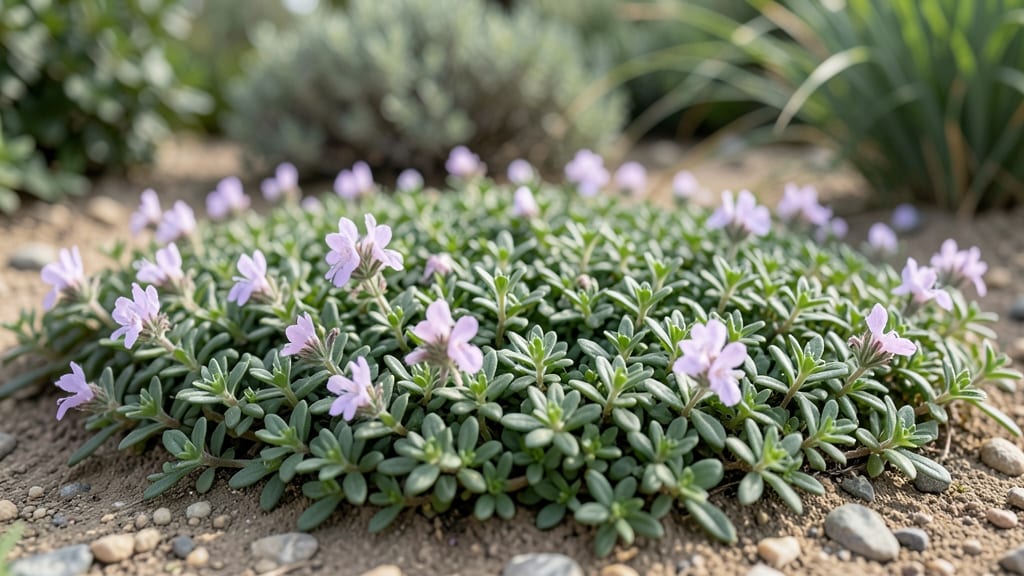
Creeping thyme stays green when most lawns turn brown—here’s how to keep it thriving through winter. 🌿 I’ve watched my thyme lawn survive sub-zero nights and still bounce back with vibrant purple blooms by spring. The secret lies in understanding its unique winter needs, from frost tolerance to smart pruning.
Unlike regular grass, creeping thyme doesn’t need mowing in winter—just a light trim in early spring to encourage fresh growth. A 1-inch layer of straw mulch protects it from harsh winds while allowing sunlight to penetrate.
The key is avoiding heavy foot traffic, which can compact the soil and smother the delicate stems.
You’ll notice the leaves may turn silvery or brown in deep freezes, but the roots stay alive and ready to green up when temperatures rise. With proper care, your thyme lawn stays lush year-round, offering drought resistance, pollinator support, and that signature thyme fragrance even in winter.
For regions with heavy snow, brush it off gently to prevent mold buildup. In milder climates, a light watering during dry spells keeps it resilient. This ground cover isn’t just hardy—it’s low-maintenance and beautiful, making it the perfect alternative to traditional lawns.
📚 In This Guide
- What you need
- Instructions
- Tips and common mistakes
- Wrapping up and next steps
What you need
- ● Creeping thyme plants: 10–20 sq ft per 100 sq ft of lawn (adjust for spacing; 6–12 inches apart for full coverage). Choose Thymus serpyllum or Thymus praecox for cold hardiness.
- ○ Organic mulch (optional but recommended): 1–2 inches of shredded bark, straw, or pine needles to insulate roots in winter.
- ● Well-draining soil: Amend heavy clay with compost (1 part compost to 3 parts soil) or sand (if drainage is poor). Aim for a pH of 6.0–7.0.
- ○ Lawn edging (optional): Metal, plastic, or stone to define thyme borders and prevent grass encroachment.
- ● Garden gloves (heavy-duty for root handling).
- ● Hand trowel or transplanting spade (for precision planting).
- ● Rake (to level soil and remove debris).
- ● Watering can or hose with gentle nozzle (drip irrigation is ideal for winter care).
- ● Pruners or hedge clippers (for shaping and spring cleanup).
- ○ Soil test kit (optional but helpful for pH/drainage checks).
- ● Full-sun location: At least 6–8 hours of sunlight daily (creeping thyme hates shade!).
- ● Drought-tolerant mindset: Once established, thyme needs little water—just occasional deep soaks in winter.
- ● Patience: Full coverage may take 1–2 years; don’t rush it!
- ○ Neighbor approval (optional): The aroma might draw curious noses—warn them it’s edible!
Step-by-Step instructions for establishing a cold-hardy creeping thyme lawn
This fragrant, drought-resistant ground cover handles winter like a pro—here’s how to plant it for year-round beauty.
🌱 Step 1: Prepare the Soil for Optimal Drainage
Creeping thyme thrives in poor, well-drained soil—the kind gardeners call "fast-draining." Test your site by digging a 6-inch hole and filling it with water. If it drains in under 30 minutes, you’re good. If not, amend the area with 2-3 inches of coarse sand or grit mixed into the top 6 inches of soil. Thyme hates soggy roots, and winter moisture can suffocate it.
Rake away debris and level the ground to prevent water pooling. A slight slope (if possible) helps excess winter meltwater roll away. I like to work the soil when it’s damp but not wet—easier to till and less likely to compact when walked on later.
🪴 Step 2: Plant Thyme in Spaced Rows for Full Coverage
For a 4-foot-wide swath, plant 12-inch-long thyme sprigs in staggered rows 12 inches apart, with 6 inches between each sprig. Use a trowel to make small holes just deep enough to bury the stems halfway. Press soil firmly around each plant to eliminate air pockets—this helps roots establish quickly before winter sets in.
Water deeply right after planting (about ½ gallon per plant) to encourage root spread. Avoid overhead sprinklers—they can dislodge new plants. Mulch lightly with ¼-inch of pine needles or gravel to suppress weeds and retain just enough moisture without smothering the thyme.
☀️ Step 3: Provide Full Sun and Winter Protection
Creeping thyme needs at least 6 hours of direct sun daily, even in winter. If your site gets less than 4 hours, supplement with a south-facing wall or evergreen shelter to block winter winds. In Zone 5 or colder, apply a 2-3 inch layer of straw mulch after the first hard frost to insulate roots while allowing airflow to prevent rot.
Here’s the thing—thyme’s silver-gray foliage brightens winter landscapes, but it turns brown in deep freezes. Don’t panic: it greens up again when temperatures rise. I’ve seen it survive -20°F with proper drainage, but snow cover is its best friend for insulation.
⏰ Step 4: Maintain Through Winter with Minimal Care
Skip fertilizing in fall—thyme’s slow-growing nature thrives on lean soil. Water only if the ground feels bone-dry (stick your finger in—if it’s damp ½ inch down, wait). In early spring, rake away dead foliage and top-dress with ½ inch of compost to feed new growth without smothering it.
Watch for voles or rabbits in early winter—they love tender thyme shoots. A light chicken wire frame over new plantings until roots establish (usually by late fall) saves headaches. By mid-spring, your thyme will fill in gaps naturally, creating a carpet of fragrant green that outlasts most lawns.
Tips & tricks for perfect year-round thyme lawns
Between us, establishing a creeping thyme lawn that survives winter takes more than just planting—it’s about creating the right conditions from day one. Here’s what nobody tells you about making it thrive when most ground covers give up.
Soil Test Matters: That 30-minute drainage test in Step 1 isn’t just a suggestion—it’s critical. If your soil drains slower, don’t just add sand. Mix in perlite or pumice too—these create air pockets that prevent winter waterlogging. I learned this the hard way after losing a patch to soggy roots in Zone 5 winters. The key is mimicking the rocky, well-drained Mediterranean soils thyme evolved in.
Planting Depth Secret: Burying stems halfway might sound simple, but most people bury too deep. Aim for just ½ inch below soil level—any deeper and you’ll smother new root growth. Press soil firmly around stems to remove air pockets, but don’t compact it like you would for lawn grass. Think "firm but fluffy." This ensures roots establish before winter sets in.
Winter Protection Hack: That 2-3 inch straw mulch in Step 3 works wonders, but here’s the catch: apply it after the first hard frost when soil temps drop below 32°F. Too early, and you’ll trap moisture that can rot stems. In my Zone 5 garden, I use a lightweight row cover over new plantings until roots establish by late fall—it adds an extra layer of insulation without smothering.
Spring Revival Tip: When you rake away dead foliage in early spring, don’t throw it out! Spread it around new plantings as free compost. The decomposed thyme leaves release nutrients slowly, giving your lawn a natural boost without the risk of over-fertilizing. I’ve seen thyme fill in twice as fast when returned to the soil this way.
Pro Tips for Creeping Thyme Lawn Winter
- Between us, establishing a creeping thyme lawn that survives winter takes more than just planting—it’s about creating the right conditions from day one.
- Soil Test Matters: That 30-minute drainage test in Step 1 isn’t just a suggestion—it’s critical.
- Planting Depth Secret: Burying stems halfway might sound simple, but most people bury too deep.
Frequently asked questions
Got questions about keeping your creeping thyme lawn lush through winter? You’re not alone!
Here are answers to the most common concerns—from care tips to troubleshooting—so you can enjoy that fragrant, evergreen ground cover all year long.
Does creeping thyme die in winter?
Not usually! Creeping thyme is a hardy perennial that stays green (or dormant) through winter in most climates (USDA zones 5–9). In colder regions, it may turn brown but bounces back in spring. Pro tip: A light mulch layer (like straw) protects it from harsh freezes.
When should I mow creeping thyme in late fall?
Avoid mowing after early fall—let the foliage stay for winter protection. If needed, trim lightly in late spring (after the last frost) to encourage new growth. Warning: Cutting too late can stress the plant before winter.
Can I use creeping thyme as a substitute for grass?
It’s drought-tolerant, spreads easily, and handles foot traffic better than grass. For best results, mix it with other ground covers (like clover or sedum) to fill gaps. Bonus: It repels pests naturally!
Why is my creeping thyme turning brown in winter?
Brown patches are normal in winter—it’s dormant! If it stays brown into spring, check for overwatering (root rot risk) or poor drainage. Thin layers of mulch or a winter blanket can help revive it.
How cold can creeping thyme handle?
Creeping thyme thrives in USDA zones 5–9, surviving temps as low as -20°F with protection. In zone 4 or colder, grow it in containers and bring indoors for winter. Pro tip: Plant near a south-facing wall for extra warmth.
Wrapping up and next steps
Transforming your lawn into a lush, year-round creeping thyme carpet is totally doable—and what a rewarding sight! 🌿 This hardy ground cover not only survives winter but thrives, offering vibrant greenery and low-maintenance beauty.
Whether you're tackling bare spots or upgrading your entire yard, start small, stay consistent, and enjoy the process.
Ready to take the next step? Pick a sunny patch, gather your supplies, and dive in! Your future self—and your neighbors—will thank you for this fragrant, frost-resistant upgrade. 🌟