
Lawn
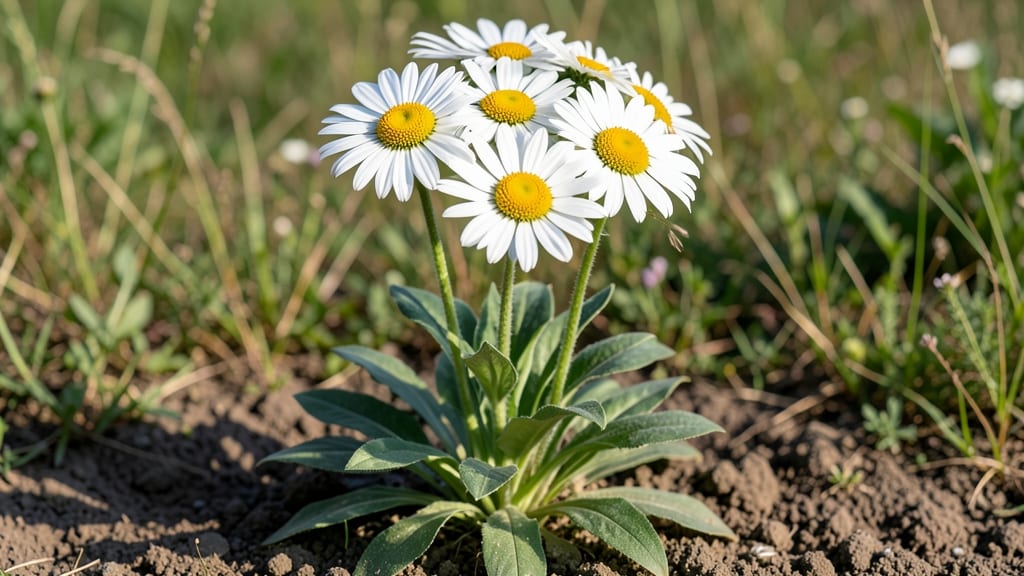
Daisies in your lawn aren't just weeds—they're bold, cheerful blooms that turn ordinary grass into a cottage-garden dream. 🌼 I used to yank them out until I realized they're low-maintenance, drought-tolerant, and spread naturally, creating a self-sustaining meadow that thrives even when grass struggles.
The secret lies in letting them grow where they want while keeping grass in check. They love full sun but handle partial shade too, and their deep roots mean less watering once established.
My lawn now has clusters of white, pink, and yellow daisies that bloom from spring to frost with almost no effort.
You'll end up with a lawn that looks intentionally wild—textured, colorful, and full of pollinators—while requiring less mowing and fewer chemicals. The key is letting them share space with grass instead of fighting them.
Perfect for anyone tired of perfect green lawns. Here's how to make them work for you—without losing control of your yard.
Natural Spread Beyond Control
Daisies don’t just pop up in your lawn by accident—they’re master opportunists with clever survival strategies. Understanding why they thrive where you don’t want them helps you outsmart them before they take over. Here’s the science behind their persistence:
Daisies (Bellis perennis) spread primarily through wind-dispersed seeds, but they’ve also evolved to hitch rides on:
- Animals: Seeds cling to fur, shoes, or tires (even your dog’s paws!).
- Water: Rain or irrigation can carry seeds across your yard.
- Human Activity: Mowing, raking, or even walking can dislodge seeds and scatter them elsewhere.
Pro Tip: 💡 If you spot daisies near a sidewalk or driveway, they’re likely "imported" from another yard. A quick sweep with a leaf blower or damp towel can remove seeds before they germinate.
Daisy seeds can linger in the soil for years—some studies show viability up to 5 years—thanks to:
- Hard Seed Coats: Protect them from drying out or freezing.
- Dormancy Triggers: They only sprout when conditions (moisture, sunlight, temperature) are just right.
- Shallow Germination: Seeds often sprout within 1–2 inches of the surface, meaning even light tilling can wake them up.
Fact: 📊 A single daisy plant can produce 15,000+ seeds per year—so even a few unnoticed blooms can become a lawn takeover in no time.
Daisies love disturbed or weak turf because they exploit:
- Thin Grass: Bare spots from drought, foot traffic, or poor soil let sunlight reach their seeds.
- Compacted Soil: Heavy foot traffic or machinery prevents grass roots from growing deep, giving daisies an edge.
- Over-Fertilization: Too much nitrogen can make grass grow too fast, leaving weak patches where daisies thrive.
Warning: ⚠️ If your lawn has daisies, it’s often a sign of underlying stress—like poor drainage, pH imbalance, or pests. Fix the root cause, and you’ll starve out the invaders.
While seeds are their main weapon, daisies also spread via stolons (horizontal stems) in:
- Crowded Areas: When daisies grow close together, their stems root at nodes, creating new plants.
- Mowing Mistakes: Cutting too low can stimulate stolon growth, spreading the plant outward.
Action Step: 🔪 If you’re dealing with a daisy "colony," hand-pulling (roots and all) is more effective than mowing—especially in early spring when they’re young and tender.
Daisies aren’t just weeds—they’re highly adaptive survivors. But knowing their tricks lets you prevent their spread before they become a full-blown lawn problem. Next up: how to keep them from staging a comeback.
Revitalize Your Lawn’s Wildflowers
Daisies popping up in your lawn might seem like a charming surprise, but if they’re taking over or appearing where you don’t want them, it’s time to take action.
Whether you’re dealing with overgrowth, unsightly patches, or unwanted spread, these practical solutions will help you reclaim your lawn—without sacrificing those cheerful blooms where you do want them.
Let’s tackle the problem step by step, with fixes tailored to the root cause and tips to keep your lawn lush and intentional.
Daisies thrive in sunny spots with well-drained soil, and if they’re spreading uncontrollably, it’s often because they’ve found the perfect conditions to multiply. Here’s how to regain control without resorting to harsh chemicals.
🔥 Hand-Pulling for Small Patches
For isolated clusters, manual removal is the simplest and most eco-friendly method.
- Best time to pull: Early morning or after rain, when the soil is soft and daisy roots are easier to extract.
- How to do it: Grasp the daisy at its base (near the root) and pull firmly. If the root breaks, dig deeper to remove as much as possible.
- Pro tip: Wear gloves—daisy sap can irritate skin! 🧤
🍳 Mowing Strategies to Suppress Spread
Adjust your mowing habits to weaken daisies over time:
- Mow high: Set your lawnmower to 3–4 inches. Taller grass shades daisy seedlings, reducing their ability to photosynthesize and grow.
- Frequent mowing: Cut daisies before they go to seed (usually when the flower head turns brown). This prevents new plants from sprouting.
- Bag the clippings: If daisies are seeding aggressively, remove the clippings to avoid redistributing seeds.
🌡️ Soil Competition: Strengthen Your Grass
Daisies often invade because your lawn grass is weak or sparse. Boost your turf’s resilience with these steps:
- Overseed bare spots: Choose a dense, competitive grass variety (like fine fescue or Kentucky bluegrass) in early fall or spring. Aim for 1–2 pounds of seed per 100 sq. ft.
- Fertilize properly: Use a balanced, slow-release fertilizer (10-10-10 or similar) to encourage thick grass growth. Avoid over-fertilizing, which can harm the environment.
- Water deeply but infrequently: Deep watering (1–1.5 inches per week) encourages deep grass roots, making your lawn more competitive against weeds.
If daisies are sprouting in flower beds, sidewalks, or other areas where you’d prefer neatness, targeted removal and prevention will keep them in check.
👨🍳 Spot Treatment with Vinegar or Salt
For stubborn patches, natural herbicides can work—but use them carefully to avoid damaging nearby plants.
- Vinegar solution: Mix 1 gallon of white vinegar (5% acetic acid) + 1 oz. dish soap. Spray directly on daisies (avoid desirable plants). Repeat every 3–4 days until they wilt.
- Salt (for extreme cases): Sprinkle rock salt or kosher salt over the daisies and water lightly. This dehydrates the plants, but use sparingly—salt can harm soil and other plants in the long run.
- ⚠️ Warning: Avoid vinegar or salt near trees, shrubs, or vegetable gardens. Test a small area first!
🔪 Digging Out Deep Roots
Some daisies have taproots that run deep. For persistent plants:
- Loosen the soil around the daisy with a trowel.
- Wiggle the plant back and forth to dislodge the root.
- Fill the hole with fresh soil and water.
- Pro tip: Add a 1-inch layer of mulch (like wood chips or straw) around treated areas to prevent regrowth. 🌾
🎯 Mulching to Block Light
Daisies need sunlight to germinate. Smother them with:
- Cardboard or newspaper: Lay down layers under daisy patches, then cover with 2–3 inches of mulch. This blocks light and suppresses growth in 4–6 weeks.
- Landscape fabric: Use in high-traffic areas (like sidewalks) to prevent new daisies from sprouting.
Once you’ve addressed the issue, these habits will help prevent future invasions while keeping your lawn healthy.
💡 Long-Term Lawn Care Tips
- Aerate annually: Compacted soil gives daisies an advantage. Rent an aerator or hire a pro to poke holes in your lawn, then top-dress with compost.
- Weed barriers: Install landscape fabric before planting new beds or gardens to block daisy seeds.
- Encourage beneficial plants: Plant clover or creeping thyme in sunny areas—these ground covers outcompete weeds naturally.
🌸 Strategic Daisy Placement
If you love daisies but want them contained:
- Plant them intentionally: Add daisy varieties like Oxeye Daisy or Shasta Daisy to flower beds or borders.
- Use containers: Grow daisies in pots or raised beds to control their spread.
- Mulch around borders: Apply mulch to edges of garden beds to prevent daisies from creeping into lawn areas.
With the right approach, you can enjoy the cheerful charm of daisies without the chaos. Whether you’re pulling, mowing, or mulching, these methods will help you strike the perfect balance—keeping your lawn lush, intentional, and full of the blooms you love, exactly where you want them. 🌼✨
Frequently asked questions
Can I let daisies grow naturally in my lawn?
Daisies thrive in sunny lawns and require minimal care. They're drought-tolerant once established and attract pollinators. The key is mowing high (3-4 inches) to shade out seedlings and only removing them where you want a clean grass look. Many gardeners embrace them as "wildflower lawns" for their cheerful, low-maintenance beauty.
How do I keep daisies from spreading to my flower beds?
Use a 1-inch mulch barrier (wood chips or straw) around garden edges to block seeds. For stubborn patches, hand-pull in early spring before they seed. Consider planting daisies intentionally in containers or designated borders instead of letting them wander. This creates a neat transition while keeping their cheerful presence.
Will daisies kill my grass?
Not directly, but they compete for nutrients and sunlight. Thin grass gives daisies an advantage. To protect your lawn, overseed bare spots with dense grass varieties like fine fescue, fertilize with a balanced formula (10-10-10), and water deeply but infrequently. Healthy grass naturally crowds out daisies over time.
Are there daisy varieties that spread less aggressively?
Yes! Try Shasta Daisy or Gerbera Daisy for controlled growth. These varieties bloom prolifically but spread more slowly than common Bellis perennis. For lawns, consider Oxeye Daisy—it's showy but less invasive. Always plant them in designated areas with clear borders to prevent accidental spread.
How long does it take for daisies to stop spreading?
With consistent control (mowing high, hand-pulling, or mulching), you'll see noticeable reduction in 4-6 weeks. For complete elimination, it may take a full growing season. The best approach combines prevention (blocking seeds) with promoting healthy grass to outcompete them naturally. Patience is key!