
Lawn
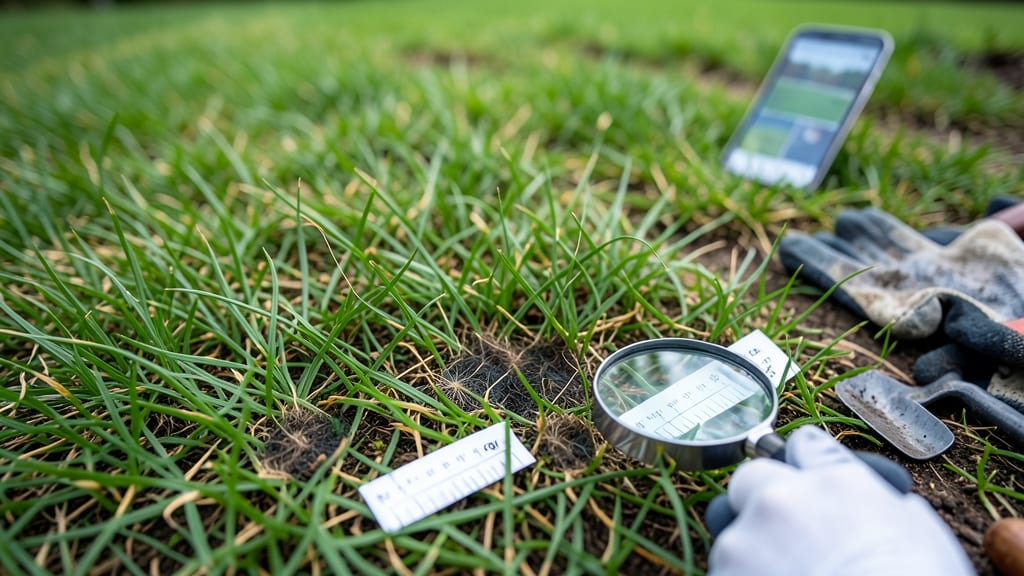
Those stubborn dark green patches in your lawn aren’t just unsightly—they’re often a fungal blight waiting to spread. ✨ I’ve battled dollar spot and other fungal issues, and the good news is that fixing them doesn’t require a degree in mycology.
Three targeted steps can turn those patches into healthy grass in weeks.
The problem usually starts with overwatering or too much nitrogen fertilizer, creating the perfect damp, nutrient-rich environment fungi love. My first mistake was blaming the grass itself—until I realized the real culprit was my watering schedule. A simple adjustment (watering deeply but less often) made a world of difference.
By the end of this process, you’ll see those patches fade and your lawn thicken with uniform green. The key is acting fast—once the fungus takes hold, it spreads like wildfire. I’ll walk you through identifying the issue, fixing it, and keeping it from coming back.
Works for any lawn type, from shady patches to sunny backyards. Let’s get your grass back to looking its best—naturally and simply.
Root Causes Of Uneven Lawn Color
Dark green patches in your lawn aren’t just an eyesore—they’re a sign that something’s disrupting your grass’s natural growth cycle. Understanding the why behind these patches is the first step to fixing them.
Below, we break down the most common culprits, from hidden soil issues to sneaky pests, with science-backed explanations and actionable clues to help you diagnose the problem.
Grass thrives on moisture, but too much water—or water that doesn’t drain properly—can turn your lawn into a fungal buffet. When soil stays soggy for days, it creates the perfect environment for disease-causing fungi like Drechslera or Rhizoctonia, which thrive in anaerobic (low-oxygen) conditions.
These pathogens attack grass blades, causing them to darken, thicken, and sometimes develop a slimy texture.
🔍 How to spot it:
- Patches feel spongy when walked on (like a wet carpet).
- Dark green areas spread quickly after heavy rain or overwatering.
- Grass may have a fuzzy or web-like appearance in morning dew.
💡 Fix it:
- Test your soil’s drainage by digging a 6-inch hole and filling it with water. If it doesn’t drain within 2–4 hours, amend with sand or perlite.
- Water deeply but infrequently—aim for 1–1.5 inches per week (including rain). Use a rain gauge or tuna can to measure.
- If your lawn has low spots, consider aeration or soil leveling to improve airflow.
Fungi are naturally present in soil, but certain species become aggressive when conditions are just right—think warm, humid weather combined with thatch buildup or compacted soil. Common fungal culprits like Necrotic Ring Spot or Brown Patch (caused by Rhizoctonia solani) produce dark green or purplish-black patches that often have yellow halos around them.
🔍 How to spot it:
- Patches appear circular or irregular with a darker center.
- Grass blades may look glossy or water-soaked in damp conditions.
- Fungal growth often worsens at night (some fungi are active in low light).
💡 Fix it:
- Apply a fungicide with active ingredients like propiconazole or myclobutanil (follow label rates).
- Reduce thatch by dethatching if it’s thicker than ½ inch.
- Improve airflow with core aeration in spring or fall.
- Water early in the morning to allow foliage to dry quickly.
Larvae from beetles (like Japanese beetles or June bugs) and other grubs munch on grass roots, creating dead or dying patches that may appear dark green due to secondary fungal growth or overwatering in the damaged areas. These pests are most active in summer and early fall, leaving behind a spongy, easily pull-up turf.
🔍 How to spot it:
- Grass peels back like a carpet when pulled.
- Patches are soft and mushy (like walking on a trampoline).
- Adult beetles or white, C-shaped grubs may be visible in the soil.
💡 Fix it:
- Treat with a grub-specific insecticide like imidacloprid or chlorantraniliprole (apply in late summer).
- Encourage natural predators like birds or beneficial nematodes.
- Overseed bare spots immediately to prevent erosion.
While nitrogen is essential for lush green grass, excessive amounts—especially in slow-release forms—can create dark green patches by promoting unnatural growth while weakening roots. This imbalance also makes grass more susceptible to disease and pests. Additionally, uneven soil pH (too acidic or alkaline) can prevent grass from absorbing nutrients properly, leading to chlorotic (yellowish) or necrotic (dark green/brown) patches.
🔍 How to spot it:
- Patches are deep green but soft (like overfed weeds).
- Soil test reveals high nitrogen (N) levels or pH outside 6.0–7.0.
- Grass grows too quickly (more than 1 inch per week).
💡 Fix it:
- Take a soil test (kit from a garden center or extension office).
- Adjust pH with lime (to raise) or sulfur (to lower) based on test results.
- Switch to a slow-release fertilizer or organic options like composted manure.
- Avoid liquid nitrogen fertilizers if your soil is already rich.
Grass needs sunlight to photosynthesize, and prolonged shade (from trees, buildings, or tall plants) can cause etiolation—where grass stretches upward, becomes thinner, and darkens as it struggles to reach light. Additionally, dappled shade (partial sunlight) can create mosaic-like patches where some areas grow normally and others don’t.
🔍 How to spot it:
- Patches are under trees, fences, or structures.
- Grass looks tall, leggy, and weak (like it’s "reaching" for light).
- No fungal growth or pest activity is present.
💡 Fix it:
- Replace high-shade grass with shade-tolerant varieties like Fine Fescue or Creeping Red Fescue.
- Thin tree canopies or prune branches to allow more light.
- Apply a light layer of compost to improve soil health in shaded areas.
🎯
Fixing Dark Green Lawn Patches Fast
Now that you’ve identified the cause of those pesky dark green patches in your lawn, it’s time to roll up your sleeves and restore your yard’s lush, even beauty. 🌱 The good news? Most issues have straightforward fixes—whether it’s adjusting watering habits, improving airflow, or applying targeted treatments.
Below, we’ve broken down the best solutions for each common culprit, plus tips to keep your lawn thriving long-term.
If your patches are caused by fungal infections (like dollar spot or brown patch), act quickly before it spreads.
🍳 Step 1: Stop Watering at Night Fungi love moisture—especially when it lingers overnight. Switch to early morning watering (before 10 AM) to let grass dry faster. Use a rain gauge or tuna can to measure: aim for 1 inch of water per week, including rain.
👨🍳 Step 2: Improve Airflow Thick, dense grass traps humidity. Thin out overgrown areas with a mower or string trimmer, and consider aerating compacted soil to boost oxygen flow.
🥘 Step 3: Apply Fungicide For stubborn patches, use a systemic fungicide (like propiconazole or chlorothalonil). Follow label instructions—overuse can harm beneficial microbes. Spot-treat affected areas rather than blanketing the whole lawn.
⏰ Step 4: Raise Mowing Height Set your mower to 3–4 inches temporarily to strengthen grass blades and reduce stress. Avoid cutting more than 1/3 of the blade height at once.
Over-fertilizing (especially with nitrogen) can create dark, spongy patches. Here’s how to correct it:
💡 Pro Tip: Test your soil first! A simple DIY soil test kit (from garden centers) reveals nutrient imbalances. If phosphorus or potassium is high, reduce those fertilizers.
🎯 Step 1: Water Deeply to Leach Excess Run the sprinklers for 20–30 minutes daily for a week to flush out built-up salts and nutrients. Avoid heavy foot traffic during this time.
✨ Step 2: Switch to Slow-Release Fertilizer If you’ve been using quick-release granules, opt for organic options (like compost or bone meal) or slow-release pellets. Apply half the recommended dose and monitor closely.
🔪 Step 3: Overseed Thin Spots If grass is struggling, overseed bare patches with a shade-tolerant or drought-resistant mix (like fine fescue). Keep the area moist until new growth appears.
Waterlogged soil leads to dark, mushy patches. Drainage issues need structural fixes:
💡 Pro Tip: Check for low spots in your yard where water pools. Use a level to spot dips, then fill with a mix of sand and compost (50/50 ratio).
🔧 Step 1: Core Aeration Rent a core aerator (or hire a pro) to pull out small soil plugs, creating channels for water to drain. Do this in spring or fall when grass is actively growing.
🌱 Step 2: Amend Soil with Sand For clay-heavy soil, mix in coarse sand (like builder’s sand) to improve drainage. Work it into the top 4–6 inches of soil.
🚿 Step 3: Install French Drains (If Needed) For severe waterlogging, install perforated pipes buried in gravel trenches along the perimeter of affected areas. Direct excess water to a drain or dry well.
Once your lawn is back to normal, these habits will prevent recurrence:
- Mow high (3–4 inches) to shade soil and retain moisture.
- Water deeply but infrequently—encourage deep root growth.
- Rake up thatch (layer of dead grass) if it’s over ½ inch thick.
- Avoid walking on wet grass—compression smothers roots.
- Test soil every 2–3 years to adjust fertilizers as needed.
Final Thought: Dark green patches don’t stand a chance when you tackle the root cause (literally!). Start with the solution that matches your lawn’s symptoms, and soon you’ll be the envy of the neighborhood with a uniform, vibrant green carpet. 🏡✨
Frequently asked questions
Why do my dark green patches feel spongy when I walk on them?
Those spongy patches are often a sign of fungal infection or grub damage. Fungi like dollar spot thrive in damp conditions, creating soft, waterlogged areas. If you pull up grass and see white grubs (C-shaped larvae), beetle grubs are the culprit. Both issues need immediate attention to prevent spread.
Can I use vinegar to treat dark green fungal patches?
Vinegar can help in small doses (1 part white vinegar to 3 parts water) as a natural fungicide, but it’s not a complete solution. For best results, combine with proper drainage fixes and fungicide treatments. Vinegar alone may burn healthy grass if overused—always spot-test first.
How long does it take to see improvement after treating fungal patches?
With proper care, you should see visible improvement in 2-4 weeks. Fungicides work fastest (often within 7-10 days), but complete recovery depends on fixing underlying issues like drainage or overwatering. Patience is key—don’t reapply treatments too soon.
Is it safe to use lawn fungicides around pets and kids?
Most modern fungicides are safe once dry, but always follow label instructions. For extra caution, choose organic options like neem oil or copper fungicides. Keep pets/children off treated areas for 24-48 hours after application.
Why do my patches keep coming back even after treatment?
Recurring patches usually mean the root cause isn't fixed. Check for persistent overwatering, compacted soil, or excess nitrogen. Conduct a soil test and adjust your lawn care routine—often, the solution requires changing watering habits or fertilization practices.