
Lawn
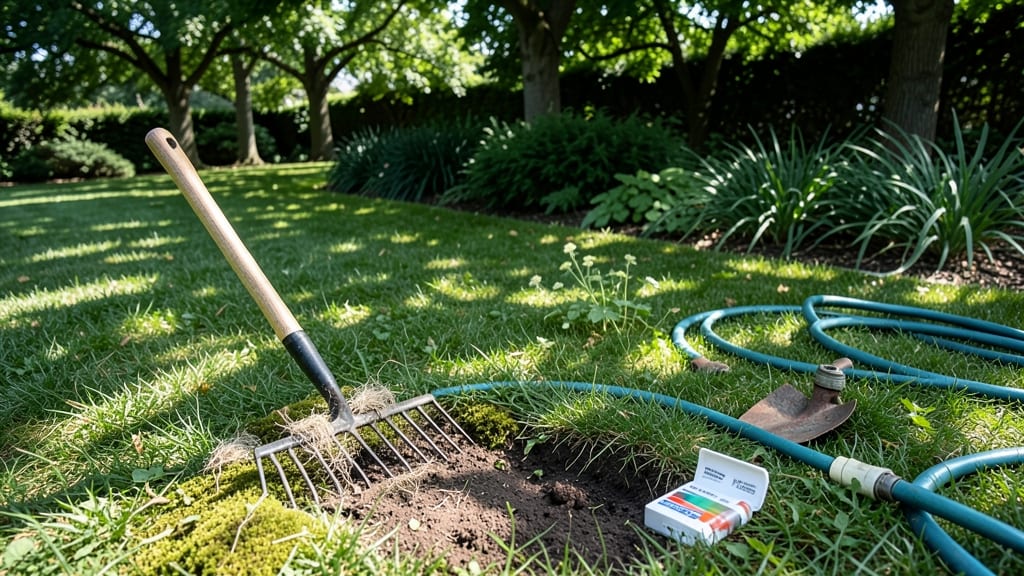
That lush, dark green areas in the lawn hiding a problem—overwatering, fungal creep, or too much nitrogen—can actually be fixed. 🌱 I’ve turned my own mystery patches from "what’s wrong?" to "thriving again" in just a few weeks with the right tweaks.
The first step is diagnosing: feel the soil (if it’s soggy, you’re overwatering), check for circular dead spots (dollar spot fungus), or look for a neon-green glow (excess nitrogen). Most people assume it’s just "more water," but that’s the opposite of what shady grass needs.
By adjusting your watering to once a week deep soaks (instead of daily light sprinkles) and applying a balanced fertilizer (not pure nitrogen), you’ll see the grass firm up and green up evenly within 2-3 weeks. The key is stopping the stress cycle that’s keeping those patches stuck.
This works for any lawn—from small backyards to large fields. The secret’s in the details, not the big fixes. Let’s get your grass back to even, healthy green.
Hidden Causes Behind Patchy Greens
Dark green patches in your lawn aren’t just random—there’s usually a science-backed reason lurking beneath the surface. Understanding these causes is the first step to restoring your grass to a uniform, healthy green.
Let’s dig into the most common culprits and why they turn your lawn into a patchwork of colors.
Too much of a good thing can drown your lawn. When soil stays soggy for extended periods, it deprives grass roots of oxygen, leading to anaerobic conditions. This stress triggers the grass to produce more chlorophyll—hence the dark green color—as a survival response.
Overwatering also promotes fungal growth, like dollar spot or brown patch disease, which can create uneven, discolored patches.
💡 Actionable Tip: Test your soil’s drainage by digging a 6-inch hole and filling it with water. If it drains slower than 6 hours, your lawn may need amending with sand or organic matter (like compost) to improve aeration.
Nitrogen is the MVP of grass growth, but too much can backfire. When applied in high doses—especially synthetic fertilizers—it can burn roots and disrupt the balance of soil microbes. This forces grass to grow faster than it can sustain, resulting in dark, almost glossy patches.
Over-fertilized grass is also more prone to thatch buildup, a dense layer of dead grass and roots that smothers healthy growth.
🔥 Pro Tip: Follow the 3-1-2 rule: Apply nitrogen at 0.5 lbs per 1,000 sq ft every 3 weeks in 2 applications (spring/fall). Slow-release fertilizers are gentler on your lawn.
Grass thrives on sunlight, but too little can turn it into a shade-tolerant mutant. When areas receive less than 4–6 hours of direct sun daily, grass stretches toward light, grows thinner, and produces more chlorophyll to compensate.
This creates those deep green, almost blue-green patches that look lush but are actually struggling.
🌡️ Fix It: If shade is permanent (e.g., under trees), opt for shade-tolerant grasses like fine fescue or creeping red fescue. For temporary shade (like new construction), consider vertical mowing to encourage upward growth.
Heavy foot traffic, machinery, or clay-heavy soil can compact the topsoil, crushing roots and reducing oxygen flow. Compacted soil forces grass to grow shallower and denser, leading to dark green patches that feel spongy when pressed.
Without proper aeration, nutrients and water can’t reach the roots efficiently, creating stress zones.
✨ Solution: Rent a core aerator (or use a garden fork) to punch 3–4 inch deep holes in compacted areas. Follow up with topdressing (a thin layer of compost or sand) to loosen the soil.
Dark green patches can also signal an underlying fungal infection, like slime mold or rust fungus, which thrive in moist, nitrogen-rich environments. Thatch—layered dead grass—traps moisture and blocks sunlight, creating the perfect breeding ground for these pests. Infected grass may appear dark, slimy, or powdery.
🎯 Treatment: Improve airflow with dethatching (use a rake or dethatching machine) and apply fungicide (copper-based or potassium bicarbonate) if fungi are present. Water deeply but early in the day to reduce humidity.
Now that you know the why, the next step is fixing it. Each of these issues has a targeted solution—so grab your tools and let’s revive that lawn! 🌿💚
Revive Your Lawn’s Dark Spots
Dark green patches in your lawn might look lush at first glance, but they’re often a sign of underlying issues—whether it’s overwatering, poor drainage, or nutrient imbalances. The good news? Most problems have simple, effective fixes.
Below, we’ll break down the most common causes of dark green areas and the step-by-step solutions to restore your lawn’s balance. Plus, we’ll share prevention tips to keep your grass healthy long-term.
If your lawn has soggy, spongy dark green patches, water may be pooling in certain areas. Overwatering suffocates grass roots, while poor drainage creates anaerobic zones where fungus thrives.
🔥 Step 1: Test Your Soil’s Drainage
- 👨🍳 Dig a small hole (6 inches deep) in the affected area.
- 🌧️ Fill it with water and observe how quickly it drains.
- If water disappears in <1 hour → Good drainage.
- If it takes >4 hours → Poor drainage (time to act).
🍳 Step 2: Improve Drainage Naturally
- 🔪 Aerate the lawn (rent a core aerator or hire a pro) to break up compacted soil.
- ⏰ Spread 1–2 inches of coarse sand or compost over the area, then top-dress with a thin layer of topsoil.
- 💡 Pro Tip: If drainage is chronically bad, consider French drains or swales (shallow trenches) to redirect water.
🌡️ Step 3: Adjust Your Watering Routine
- 🎯 Water deeply but less frequently—1–1.5 inches per week (including rain).
- ✨ Avoid daily light watering, which encourages shallow roots and fungal growth.
- 📊 Early morning (4–8 AM) is best to reduce evaporation and disease risk.
Dark green patches can also signal too much nitrogen (burning grass) or deficiencies in other nutrients (like potassium or iron). A simple soil test ($20–$50) can pinpoint the issue.
🔥 Step 1: Take a Soil Test
- 📊 Use a DIY test kit (like LaMotte or Luster Leaf) or send a sample to your local cooperative extension office.
- Look for pH levels (6.0–7.0 ideal for most grasses) and nutrient deficiencies (e.g., low potassium, magnesium, or iron).
🍳 Step 2: Correct the Nutrient Deficit
| Issue | Solution |
|---|---|
| Too much nitrogen | ⏰ Reduce synthetic fertilizers for 4–6 weeks; switch to a slow-release organic fertilizer (like milorganite). |
| Low potassium | Apply a potassium-rich fertilizer (e.g., 0-0-30) or wood ash (sparingly). |
| Iron deficiency | 🌱 Use an iron chelate spray (follow label rates) or iron sulfate granules. |
| Magnesium deficiency | ✨ Spread dolomitic lime (follow soil test recommendations). |
💡 Pro Tip:
- 🌱 Over-seed bare spots with a mix of grass types (e.g., fescue + ryegrass) for resilience.
- 🔥 Avoid fertilizing in extreme heat (stresses grass) or before heavy rain (washes away nutrients).
Dark green, mushy, or slimy patches could mean fungal growth (like dollar spot or brown patch). These thrive in wet, humid conditions and shaded areas.
🔥 Step 1: Identify the Fungus
- 👨🍳 Check for signs:
- Brown patch: Large, water-soaked patches (common in warm, humid weather).
- Gray leaf spot: Grayish-brown spots with yellow halos.
🍳 Step 2: Treat Fungally Infected Areas
- ⏰ Remove affected grass (bag and dispose of it—do not compost).
- 🔪 Aerate the area to improve airflow and reduce moisture.
- 🌡️ Apply a fungicide (like propiconazole or myclobutanil) following label instructions.
- ✨ For prevention: ✂️ Sharpen your mower blades (dull blades tear grass, inviting fungus).
💡 Pro Tip:
- 🌱 Improve airflow by thinning out trees/shrubs shading the lawn.
- 🎯 Mow high (3–4 inches) to strengthen grass and reduce fungal entry points.
If dark green areas are in shaded regions, your grass may be stretched and weak from seeking sunlight. Some grasses (like fine fescue) handle shade better than others.
🔥 Step 1: Choose the Right Grass
- 🌱 For deep shade (≤2 hrs sun): Fine fescue, creeping red fescue, or zoysia grass.
- 🌿 For partial shade (2–6 hrs sun): Kentucky bluegrass, tall fescue, or perennial ryegrass.
🍳 Step 2: Boost Soil Health in Shady Areas
- ⏰ Add compost or peat moss (1–2 inches) to improve moisture retention.
- 🔥 Use a slow-release, low-nitrogen fertilizer (e.g., 10-10-10) in early spring or fall.
- ✨ Consider a shade-tolerant ground cover (like clover) mixed with grass for extra resilience.
💡 Pro Tip:
- 🌡️ Avoid heavy foot traffic in shaded areas—grass recovers slower there.
- 🎯 Prune trees/shrubs to allow dappled sunlight (even 3–4 hours helps).
- 📊 Test soil every 2–3 years to catch imbalances early.
- 🌱 Mow regularly (never remove >⅓ of the blade height at once).
- 💪 Water deeply and early to encourage deep root growth.
- ✨ Overseed thin areas in early fall for best results.
- 🔥 Avoid thatch buildup (keep it <½ inch thick) by verticutting if needed.
By tackling the root cause of your dark green patches—whether it’s water, nutrients, fungus, or shade—you’ll restore a healthy, even-colored lawn** in no time. Start with one fix, monitor progress, and adjust as needed. Your grass will thank you! 🌿✨
Frequently asked questions
Why do dark green patches feel spongy underfoot?
Those spongy areas usually mean compacted soil or poor drainage beneath the surface. When soil stays too wet or gets crushed from foot traffic, grass roots suffocate, creating the soft, dark green zones. Press your finger down—if it leaves a dent, your lawn needs aeration and better drainage.
Can dark green patches be healthy?
Not usually! While they might look lush, dark green areas often signal stress responses like overwatering, fungal growth, or nutrient imbalances. Healthy grass grows evenly in medium green, not neon-dark patches. The exception? Shade-tolerant grasses in low-light areas—but even those should stay vibrant without slimy textures.
How do I tell if my dark green patches are fungal?
Check for these red flags: slimy feel, circular patterns, or powdery residue. Fungal infections (like dollar spot) thrive in wet, shaded areas and often appear after heavy dew or rain. If you see straw-colored rings with dark edges, grab a fungicide—copper-based sprays work well for organic lawns.
Will mowing taller fix dark green patches?
Mowing 3–4 inches tall helps shade-tolerant grass, but it won’t fix root issues like compaction or overwatering. The key is deep watering less often (1–1.5 inches per week) and aerating compacted soil. Taller grass shades out weeds, but the dark patches need deeper fixes first.
How long until my lawn looks even again?
With the right fixes, you’ll see improvement in 2–4 weeks. Overwatered areas recover fastest when you switch to deep, infrequent watering. Fungal patches may take 4–6 weeks to fully clear, especially if thatch is thick. Consistency is key—skip the weekly fixes, and progress stalls.