
Lawn
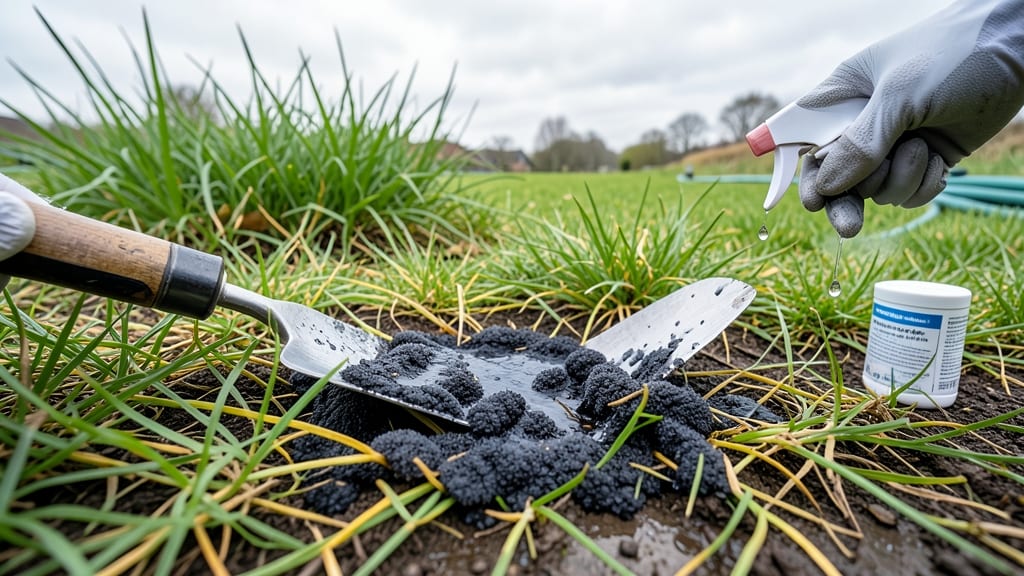
Black slime mold in your lawn isn’t just ugly—it’s a sign your grass is begging for help. 🌱 I’ve battled these slimy, black patches, and the key to stopping them fast is understanding why they appear (hint: it’s not just moisture).
The good news? You can fix it without harsh chemicals or waiting weeks for results.
This gunky fungus thrives when lawns stay damp too long—think poor drainage, thick thatch, or watering at night. The black, jelly-like mess isn’t harmful to grass, but it’s a red flag that your lawn’s health is off.
Copper spray is your fastest fix, but improving airflow and watering habits keeps it from coming back.
Within 24 hours of treatment, the slime disappears, leaving your lawn looking fresh again. The real win? A stronger turf that resists future outbreaks. Aerate, adjust your watering schedule, and you’ll never see this mess again.
For stubborn cases or large lawns, a pro can assess drainage issues—but most homeowners solve this with basic lawn care tweaks. Let’s get your grass back to its best.
Underlying Causes of Black Slime
Black slime mold isn’t a fungus—it’s actually a type of prototist—but its sudden appearance on lawns can feel like a fungal nightmare. This slimy, dark mass thrives under specific conditions, often popping up overnight like an unwanted guest.
Understanding why it happens is the first step to stopping it before it spreads. Let’s break down the key triggers:
Black slime mold lives for water. When lawns stay damp for prolonged periods—whether from heavy rain, overwatering, or poor drainage—the spores activate and multiply.
Unlike true fungi, slime mold doesn’t invade plant tissue; instead, it grows on the surface, feeding on decaying organic matter (like dead grass clippings or thatch).
Here’s the science:
- High humidity + stagnant water: Slime mold spores germinate when relative humidity exceeds 90% for 24+ hours. Think of it like a sponge—it absorbs moisture and swells into that glossy black mat.
- Thatch buildup: A thick layer of organic debris traps moisture against the soil, creating the perfect breeding ground. Test your thatch—if it’s over ½ inch thick, drainage suffers.
- Compacted soil: Heavy foot traffic or clay soil prevents water from draining. Use a soil aerator to create channels for excess water to escape.
💡 Pro Tip: If your lawn stays wet for days after rain, consider installing French drains or grading the yard to slope away from shady, low-lying areas where slime mold loves to camp.
Slime mold doesn’t just appear out of thin air—it feasts on decaying plant matter. Left-behind grass clippings, fallen leaves, or even mulch provide the nutrients it craves. When these materials pile up in damp conditions, they create a buffet for the mold.
Key contributors:
- Thatch layers: A thatch layer thicker than ½ inch blocks water and air, trapping moisture and organic debris. Dethatch in early spring or fall to break this cycle.
- Over-fertilization: Excess nitrogen in fertilizers can accelerate grass decay, leaving more food for slime mold. Test your soil—aim for a balanced N-P-K ratio (e.g., 16-4-8).
- Shady, dense grass: Areas with fine fescue or Kentucky bluegrass (common in shaded lawns) break down faster, creating more organic fuel for the mold.
🔥 Action Step: After mowing, rake up clippings in problem areas or use a mulching mower with adjustable settings to reduce debris buildup.
Slime mold is a shade lover. While it can appear in sunny lawns after heavy rain, it’s far more common in:
- Dense tree canopies: Areas under oaks, pines, or thick shrubbery stay damp longer due to limited sunlight and leaf litter.
- North-facing slopes: These spots dry out slower than south-facing areas, keeping moisture levels ideal for slime mold.
- Poor air circulation: Tightly packed grass blades trap humidity. Verticutting (mowing vertically) can improve airflow in thick turf.
🌡️ Temperature Factor: Slime mold thrives in 50–75°F ranges. Early spring or late fall—when nights are cool but days warm—are peak times for outbreaks.
✨ Long-Term Fix: Prune overhanging branches to increase sunlight and reduce leaf debris. If shading is unavoidable, opt for shade-tolerant grasses like fine fescue or creeping red fescue, which decompose slower.
By tackling these three root causes—moisture, organic debris, and shade—you can starve black slime mold of its favorite conditions. Next up: How to Eliminate It Fast (without harsh chemicals!).
Quick Fixes for Black Slime on Grass
Black slime mold may look alarming, but it’s usually harmless and disappears with the right approach. The key is addressing the root cause while restoring your lawn’s health. Below are targeted solutions based on what’s triggering the problem, plus prevention tips to keep it from returning.
If your lawn stays soggy for too long, black slime mold thrives in the damp conditions. Here’s how to dry it out fast:
- 🍳 Reduce Watering Immediately Skip irrigation for 2–3 days to let excess moisture evaporate. Water only in the early morning so the grass dries quickly.
- 👨🍳 Improve Soil Drainage Aerate compacted soil with a core aerator (rent one if needed) to help water drain. For heavy clay soil, mix in compost or sand (1–2 inches) and top-dress.
- ⏰ Adjust Your Watering Schedule Switch to deep, infrequent watering (1–1.5 inches per week) instead of daily light sprinkles. Use a rain gauge or tuna can to measure.
💡 Pro Tip: If your lawn has low spots, consider grading to redirect water flow away from problem areas.
Slime mold feeds on decaying plant matter, so clearing clutter breaks its food source.
- 🔪 Rake Up Leaves & Mulch Remove thick layers of leaves, grass clippings, or wood chips from the lawn surface. A lawn rake works best—avoid bagging wet debris, as it can spread spores.
- ✨ Dethatch if Needed If your lawn has a thick thatch layer (over ½ inch), use a dethatching rake or vertical mower to loosen it. This prevents moisture from trapping under the grass.
- 🎯 Mow Higher in Damp Weather Set your mower to 3–4 inches to shade the soil and slow moisture loss. Avoid cutting when the grass is wet—this spreads spores on the mower blades.
For stubborn patches, a copper-based fungicide (like copper sulfate or copper fungicide sprays) kills slime mold spores on contact. Here’s how to apply it safely:
- Choose the Right Product Look for copper fungicides labeled for slime mold (e.g., Bonide Copper Fungicide). Avoid homemade remedies like vinegar, which can damage grass.
- 🍳 Mix & Apply at Dawn or Dusk
- Follow label instructions for dilution (typically 1–2 tbsp per gallon of water).
- Use a sprayer with a fine mist setting to avoid runoff.
- Apply lightly but evenly—soak the affected area without oversaturating.
- 👨🍳 Reapply if Necessary Slime mold may return if conditions persist. Spray again 3–5 days later if rain washes it off.
⚠️ Safety Note: Wear gloves and avoid spraying on windy days. Copper can be toxic to pets and plants if overused—stick to the label rates.
Once your lawn is slime-mold-free, keep it that way with these habits:
- 📊 Test Your Soil Use a DIY soil test kit to check pH and nutrient levels. Slime mold loves acidic, nitrogen-rich soil. Adjust with lime (to raise pH) or balanced fertilizer.
- 💪 Overseed Bare Spots Thin or bare grass invites mold. Spread high-quality seed (like Kentucky bluegrass or fescue) in early fall for thick coverage.
- 🌡️ Avoid Late-Night Watering Watering after dark keeps grass damp overnight—perfect slime mold conditions. Stick to morning watering (4–8 AM).
- ✨ Sharpen Your Mower Blades Dull blades tear grass, creating entry points for mold. Keep blades clean and sharp for a healthy cut.
- Don’t use bleach or harsh chemicals—they can kill grass and harm the environment.
- Avoid walking on infected areas—it spreads spores to other parts of the lawn.
- Don’t ignore drainage issues—fixing them prevents future outbreaks.
With these steps, your lawn should bounce back in 24–48 hours, and slime mold will become a distant memory. 🌿💚
Frequently asked questions
Is black slime mold harmful to my lawn or pets?
Black slime mold is generally harmless to your grass—it doesn’t damage roots or spread disease. However, it can make your lawn look unappealing and may indicate poor drainage. For pets, it’s non-toxic, but avoid letting them ingest large amounts. The real concern is the conditions causing it (excess moisture), which can stress your grass over time.
Will raining again bring back the slime after treatment?
Yes, if your lawn stays damp for 24+ hours, slime mold can return. To prevent this, improve drainage with aeration or adjust your watering schedule. After treating with copper spray, let the lawn dry completely before watering again. Focus on morning watering to reduce overnight moisture buildup.
Can I use vinegar or hydrogen peroxide to kill black slime mold?
Neither is recommended—vinegar can burn grass, and hydrogen peroxide may not fully eliminate spores. Copper-based fungicides are the safest and most effective. For organic options, try a baking soda solution (1 tbsp per gallon of water), but test it on a small area first to avoid damaging your lawn.
How do I know if my lawn has poor drainage causing the slime?
Check for these signs: water pools on the surface for hours after rain, grass feels spongy when walked on, or you see mushrooms growing in damp spots. If so, aerate compacted soil and consider adding compost or sand to improve drainage. For severe cases, consult a lawn care pro for a soil test.
Will black slime mold spread to my garden or houseplants?
No, it’s specific to lawns and outdoor organic matter. However, if left unchecked, it can spread within your lawn to other damp areas. Keep garden beds free of thick mulch or debris to prevent it from moving there. Houseplants are safe—this mold thrives outdoors in moist, grassy environments.