
Mower
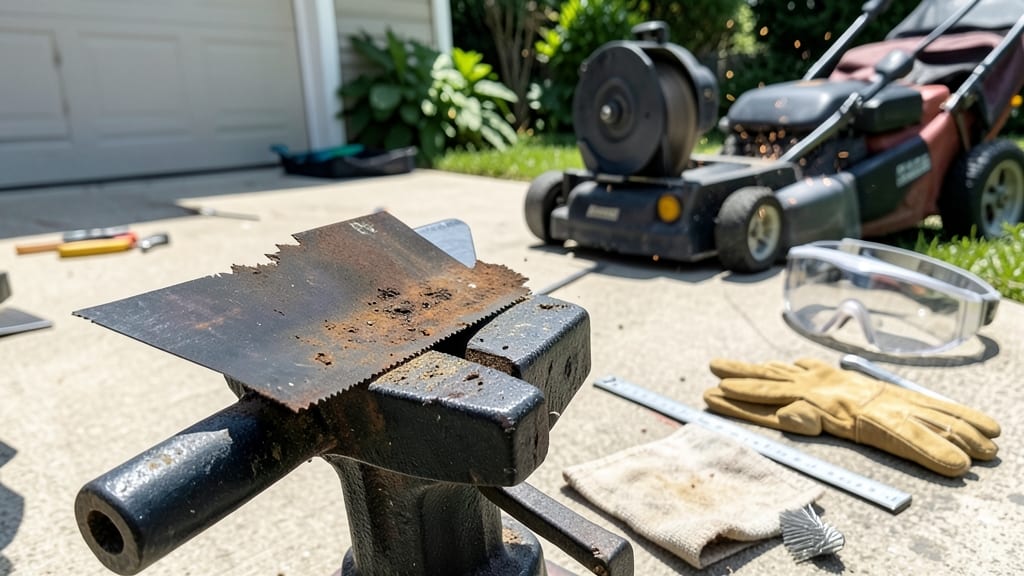
Sharpening your lawn mower blades without removing them saves time and keeps your lawn looking its best. 🌱 I've spent years maintaining mowers, and this method cuts down on the hassle while still giving you a clean, sharp edge.
The key is using the right tools and technique to avoid damaging the blade or yourself. You'll need a file or sharpening tool designed for mower blades, gloves for safety, and a sturdy work surface.
Most files come with a guide to help you maintain the correct angle—typically around 30 degrees. The process takes about 10-15 minutes per blade, depending on how dull they are. Once you've got the angle right, run the file along the blade in smooth, even strokes.
You'll feel the metal give way as it sharpens, and you'll see a noticeable difference in how cleanly the grass cuts. A sharp blade means less tearing, which leads to healthier grass and a more even cut.
This method works for both push mowers and riding mowers, as long as you can safely access the blades. Just remember to turn off the mower and disconnect the spark plug before you start—safety first! With regular sharpening, your lawn will stay looking its best all season long.
📚 In This Guide
- What you need
- Instructions
- Tips and common mistakes
- Wrapping up and next steps
What you need
- ● File or sharpening tool: A flat file (8-10 inches long) or a lawn mower blade sharpening file (specifically designed for curved blades). Avoid round files—they won’t work!
- ● Safety gloves: Heavy-duty mechanic’s gloves (cut-resistant) to protect your hands from sharp edges and debris.
- ● Rags or shop towels: At least 2-3 clean, lint-free cloths to wipe down blades and tools.
- ● Stable work surface: A flat, non-slip mat or workbench (e.g., concrete pad or heavy-duty table) to secure the mower.
- ● Bungee cords or straps: 2-4 sturdy cords (1/2-inch width) to safely immobilize the mower’s wheels or deck.
- ○ Pencil or chalk: For marking reference points on the blade (optional but helpful for consistency).
- ● Angle guide or protractor: Ensures consistent sharpening angles (most mower blades need a 30° angle).
- ● Magnetic file holder: Keeps your file steady and reduces hand fatigue.
- ● Blade cleaner: A degreaser or brake cleaner to remove rust or grime before sharpening.
- ● Safety glasses: Protects your eyes from metal shavings and debris.
- ● Portable vice or clamp: If your mower deck is wobbly, a small clamp can help stabilize it.
Step-by-Step instructions for sharpening lawn mower blades without removal
Here’s the quick method I use every season—no tools, no lifting the mower, just sharp blades in minutes.
🪴 Step 1: Secure the Mower in Place
Park the mower on a flat surface and engage the parking brake. I like to wedge a sturdy block of wood or a cinder block under one wheel to prevent any rolling—this keeps the blade steady while you work. Never work on a slope or uneven ground, as even a slight tilt makes the blade wobble and dulls your efforts.
If your mower has a blade brake lever, pull it up to lock the blade in place. This prevents accidental starts and ensures the blade doesn’t spin while you’re sharpening. Double-check that the ignition is off and the key is removed for safety. You’ll feel much more confident working when the blade isn’t moving.
✂️ Step 2: Identify the Blade’s Leading Edge
Look closely at the blade’s edge—you’ll see a thin, sharp line where the metal meets the air. This is the cutting edge, and it’s what needs sharpening. If the blade is very dull, you might notice a rounded or chipped appearance along the edge. Run your thumb lightly along the edge (carefully!) to feel for smoothness or roughness.
Most lawn mower blades have a slight angle, often around 30 degrees. This angle helps the blade cut cleanly rather than tear the grass. If you’re unsure, hold the blade up to a bright light—you’ll see a shadow line that shows the bevel. Keep this angle in mind as you sharpen.
💧 Step 3: Use a File or Grinder for Sharpening
Hold a flat file (like a mill file) against the blade’s edge at the 30-degree angle you identified. Apply even pressure and move the file smoothly along the edge in one direction—never back and forth. This prevents uneven sharpening and keeps the blade balanced. You’ll feel resistance at first, but as the metal smooths out, the file will glide more easily.
For a faster approach, use an angle grinder with a sharpening wheel. Clamp the blade securely in a vise or use a helper to hold it steady. Wear safety goggles and gloves—metal shavings fly when sharpening with a grinder. Move the wheel along the edge in long, smooth strokes, keeping the same 30-degree angle consistently.
☀️ Step 4: Check and Repeat Until Sharp
After a few passes with the file or grinder, wipe the blade clean with a rag to remove metal filings. Run your thumb along the edge again—you should feel a smooth, sharp ridge. If it still feels rough or dull, repeat the sharpening process. Over-sharpening can weaken the blade, so stop once you achieve a clean, even edge.
For a quick test, grab a few blades of grass and cut through them. Sharp blades will slice cleanly, while dull blades will tear or crush the grass. If you notice uneven sharpness along the edge, focus on the dullest spots until the entire edge is consistent. A well-sharpened blade will make your mowing job easier and leave your lawn looking healthier.
⏰ Step 5: Clean Up and Test the Blade
Once the blade is sharp, wipe it down with a damp cloth to remove any metal debris or grass clippings. This prevents rust and keeps the blade in good condition. Reattach any protective covers or shields if your mower has them, and give the blade one final spin by hand to ensure it moves freely.
Start the mower and let it run for a minute to clear out any remaining debris. Mow a small section of your lawn to test the blade’s sharpness. You’ll notice less strain on the engine, cleaner cuts, and less tearing of the grass. If the blade feels uneven or vibrates excessively, it may need balancing or further sharpening.
Tips & tricks for sharpening lawn mower blades without removal
These little tricks will help you sharpen your blades faster and safer—no more guessing or uneven edges.
Angle Consistency: The 30-degree angle mentioned in Step 2 is crucial for clean cuts. I use a simple trick to maintain it: hold the file or grinder wheel against the blade while looking at the shadow it casts on a flat surface. Adjust until the shadow shows a consistent, even line—this ensures you're keeping that perfect angle every time.
File vs. Grinder: If you're using a file, I recommend starting with a coarse grit (like 80-100) for dull blades, then switching to a finer grit (180-220) for final touches. For grinders, always use a sharpening wheel designed for metal—cheap wheels can create heat that warps the blade. And remember, safety first: wear gloves when using either method to protect your hands from sharp edges and metal filings.
Blade Balance Check: After sharpening, do this quick balance test: hold the blade by its center bolt and let it hang freely. If it wobbles or tilts one way, you've created an uneven edge. To fix it, sharpen the heavier side just slightly more until it balances perfectly. This step prevents vibrations that can damage your mower's engine over time.
Grass Test: That simple grass test in Step 4 is your best friend for knowing when you're done. I like to grab a few blades of grass and cut through them—if the grass slices cleanly without tearing, you're good to go. If it feels like you're crushing the grass, keep sharpening just a little more. This test takes seconds but saves you from over-sharpening.
Pro Tips for Sharpen Lawn Mower Blades Without Removing
- These little tricks will help you sharpen your blades faster and safer—no more guessing or uneven edges.
- Angle Consistency: The 30-degree angle mentioned in Step 2 is crucial for clean cuts.
- File vs.
Frequently asked questions
Got questions about sharpening your lawn mower blades without removing them? You’re not alone! Here are some of the most common concerns—and quick, practical answers to keep your mower running smoothly.
Can I sharpen dull blades safely without removing them?
Yes! With the right tools (like a file guide or magnetic blade sharpener) and steady hands, you can sharpen blades in-place. Just ensure the mower is turned off, the spark plug is disconnected, and you’re wearing gloves. Safety first!
How often should I sharpen blades without removing them?
Check for dullness every 20-30 hours of use or when you notice uneven cuts or torn grass. For in-place sharpening, aim for every 3-5 sharpenings (after that, removal is safer). Pro tip: Sharpen before the season starts to avoid mid-mow surprises!
What’s the best tool for sharpening blades in-place?
A file guide or magnetic sharpener is ideal—they clamp to the blade and keep your strokes consistent. Avoid freehand filing unless you’re experienced (risk of uneven edges). For stubborn rust, a wire wheel can help before sharpening.
What if the blade won’t stay sharp after sharpening?
Uneven sharpening or a bent blade are common culprits. Double-check your angles (30° for most mowers) and file evenly. If the blade is warped, stop in-place sharpening—it’s time to remove and straighten it. Pro tip: Test sharpness on a scrap piece of metal first!
Will sharpening in-place affect my lawn’s health?
Dull blades tear grass instead of cleanly cutting it, stressing plants and leaving ragged edges. Sharpening in-place reduces this damage, but skip it if blades are severely bent or pitted. Always clean debris from under the deck post-sharpening to prevent rust.
Wrapping up and next steps
Sharpening your lawn mower blades without removing them is a game-changer—saving time, effort, and frustration while keeping your yard looking pristine. 🌿 With the right tools and techniques, you can achieve a razor-sharp edge in minutes, right where you stand. Don’t let dull blades slow you down—grab your file or grinder and get back to mowing like a pro!
Now that you’re equipped with the know-how, take action today. Test your new skills on a small patch of grass, then tackle the whole yard with confidence. Happy mowing! ✂️