
Mower
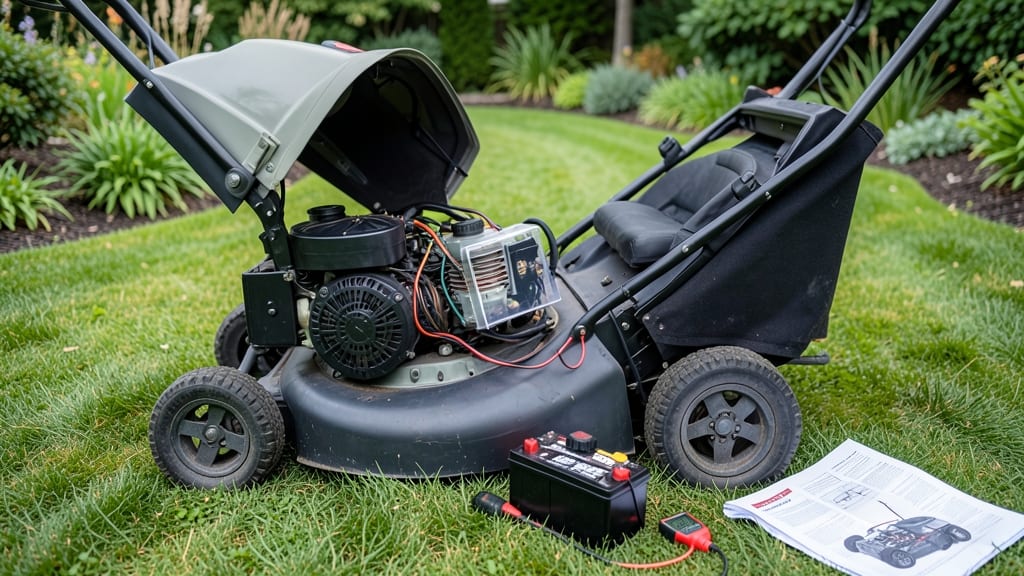
Lawn mowers don't have alternators like cars do; they rely on rechargeable batteries or small charging circuits for electric starts, while most gas models use a magneto system instead of alternator-based charging.
Lawn mower engines are designed differently from cars because they run for much shorter periods—typically 30 minutes to an hour at a time. 🔥 This means they don't need the continuous electrical output an alternator provides.
Instead, gas-powered mowers use a magneto system that generates its own spark without relying on battery charging. Battery-powered mowers, on the other hand, use dedicated charging circuits that recharge during use or when plugged in, similar to how power tools recharge.
For gas models, the magneto system creates the spark needed for ignition directly from engine rotation, eliminating the need for an alternator. This design keeps things simpler and more reliable for occasional use.
Electric mowers, meanwhile, often include small charging systems that maintain battery levels—just like your lawn tools at home.
If you notice dim lights or slow cranking on your mower, it might signal a weak battery or failing charging system. In these cases, checking the battery voltage or consulting your mower's manual for maintenance tips is a good first step.
Many modern mowers now offer battery-assisted starting systems, which can be a worthwhile upgrade for heavier-duty models.
💡 In This Article
- How Lawn Mower Electrical Systems Differ From Cars
- When to Check or Replace Lawn Mower Charging Components
How lawn mower electrical systems differ from cars
Lawn mower engines operate on a fundamentally different electrical architecture than cars because of their usage patterns. Unlike your car's engine, which runs continuously for hours at a time, most lawn mowers run for just 30-60 minutes per session
Instead, gas-powered mowers use a magneto ignition system, where a permanent magnet spins near coils to generate the high-voltage spark needed for combustion, all without relying on battery charging. The magneto system is self-contained—it creates its own electrical pulse through mechanical rotation, eliminating the need for an alternator. This design is both simpler and more reliable for occasional use, as it reduces the number of moving parts that could fail. For example, a typical lawn mower magneto produces around 20,000-30,000 volts per spark, which is more than enough to ignite the fuel-air mixture in the combustion chamber. In contrast, car alternators generate 12-14 volts continuously to power lights, electronics, and recharge the battery. Electric mowers take a different approach entirely. These models use rechargeable lithium-ion or lead-acid batteries that store energy for the motor's operation. The charging system in these mowers is more akin to power tools—it includes a small onboard charger that replenishes the battery during use or when plugged in. For instance, a 40-volt electric mower might recharge in about 60-90 minutes on a dedicated charger, depending on the battery capacity. This setup avoids the need for an alternator while still providing the electrical power needed for starting and running. One key difference is how these systems handle energy storage. Car alternators continuously generate power while the engine runs, ensuring the battery stays charged and electronics remain functional. Lawn mowers, however, don't require this level of continuous output. The magneto system generates sparks on demand, while electric mowers rely on pre-charged batteries. This simplicity reduces maintenance and extends the lifespan of the mower's electrical components. For those who upgrade to battery-assisted gas mowers, the system becomes more complex but still avoids a traditional alternator. These models use a small charging circuit that maintains the battery's charge while the engine runs, often powered by the magneto system itself. This hybrid approach combines the reliability of a magneto with the convenience of electric start, making it ideal for heavier-duty mowers that require frequent starting and stopping. Understanding these differences helps explain why lawn mowers don't need alternators. The design prioritizes simplicity, reliability, and low maintenance—factors that matter more for occasional yard work than for daily commuting or long drives. 💡