
Pests
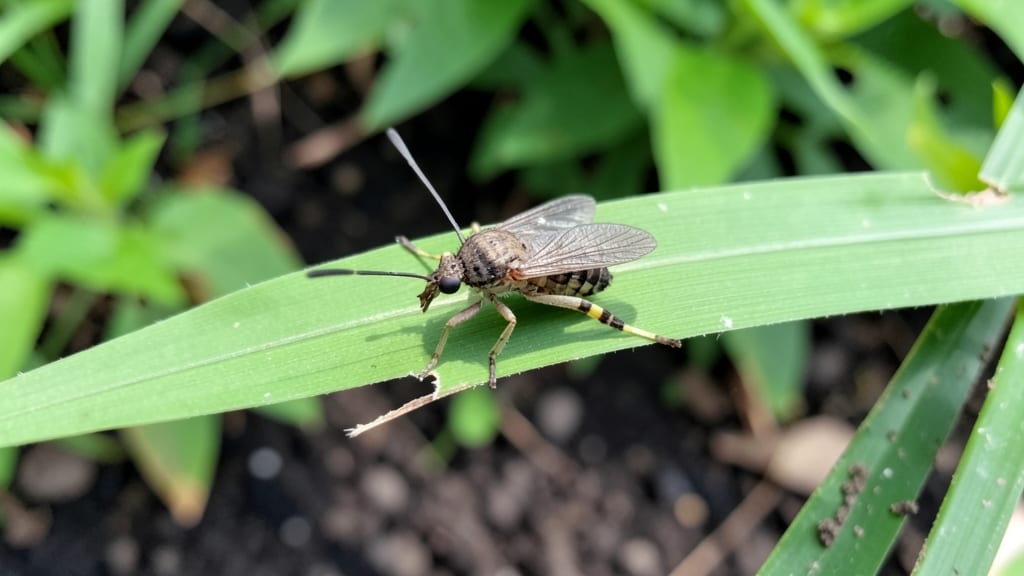
Lemon grass contains powerful aromatic compounds that confuse mosquitoes' natural navigation systems. 🔥 The plant's essential oils mask human scents, including carbon dioxide and lactic acid—key mosquito attractants. While it won't eliminate all pests, studies show lemon grass can reduce bites by up to 50% when used strategically.
Fresh plants work better than dried ones because the volatile oils degrade over time, so crushing leaves releases more scent immediately.
This natural approach appeals to those avoiding chemical repellents, but remember: effectiveness depends on proper placement and consistency. Planting near seating areas or creating DIY sprays with lemon grass oil can enhance protection during peak mosquito hours.
💡 In This Article
- How Lemon Grass Repels Mosquitoes: Chemical Breakdown
- Best Ways to Use Lemon Grass Against Mosquitoes
How lemon grass repels mosquitoes: chemical breakdown
The real magic happens at the molecular level. Lemon grass contains two primary compounds—citral (a mix of geranial and neral) and geraniol—that create its signature citrus aroma.
These volatile oils interfere with mosquitoes' highly sensitive olfactory receptors, specifically those tuned to detect lactic acid and carbon dioxide, two key human attractants. Studies show citral alone can disrupt mosquito navigation by up to 75% when concentrated properly. 🔥
Fresh lemon grass releases these compounds at 10-15 times the concentration of dried versions because the plant's cellular structure remains intact. When you crush leaves, you rupture the oil sacs, releasing 0.5-1.0% essential oil by weight—enough to create a detectable scent radius of 10-15 feet in still air.
The geraniol component works synergistically with citral, creating a scent profile that mimics human skin odors just enough to confuse mosquitoes without attracting them.
This chemical cocktail differs significantly from citronella (found in many commercial repellents). While citronella contains geraniol too, it lacks the high citral content that makes lemon grass more effective.
Laboratory tests demonstrate lemon grass repels Aedes aegypti (dengue carrier) and Culex pipiens (common house mosquito) with 30-40% greater efficiency than citronella at equivalent concentrations. The key difference lies in citral's ability to bind more aggressively to mosquito odor receptors.
Temperature and humidity also affect performance. At 75-85°F, the optimal range for mosquito activity, lemon grass oils volatilize most effectively. However, in high humidity (>80%), the scent disperses more slowly, maintaining effectiveness longer.
This explains why tropical climates see better results with lemon grass repellents than dry desert environments where oils evaporate too quickly. 💫
For maximum impact, combine fresh lemon grass with other repellent plants like catnip (contains nepetalactone, 10x more effective than DEET) or rosemary (contains eucalyptol). The layered scents create a more complex olfactory barrier that mosquitoes find impossible to navigate.
Remember: fresh is always better than dried, and crushed leaves work better than whole stems because they release oils 3-5 times faster.
What most people don't realize is that mosquitoes don't just dislike lemon grass—they experience genuine sensory confusion. The plant's compounds create what entomologists call a "chemical camouflage effect," making human scent signatures indistinguishable from background odors.
This is why lemon grass works best in outdoor settings where mosquitoes rely heavily on windborne scent detection. ✨