
Pests
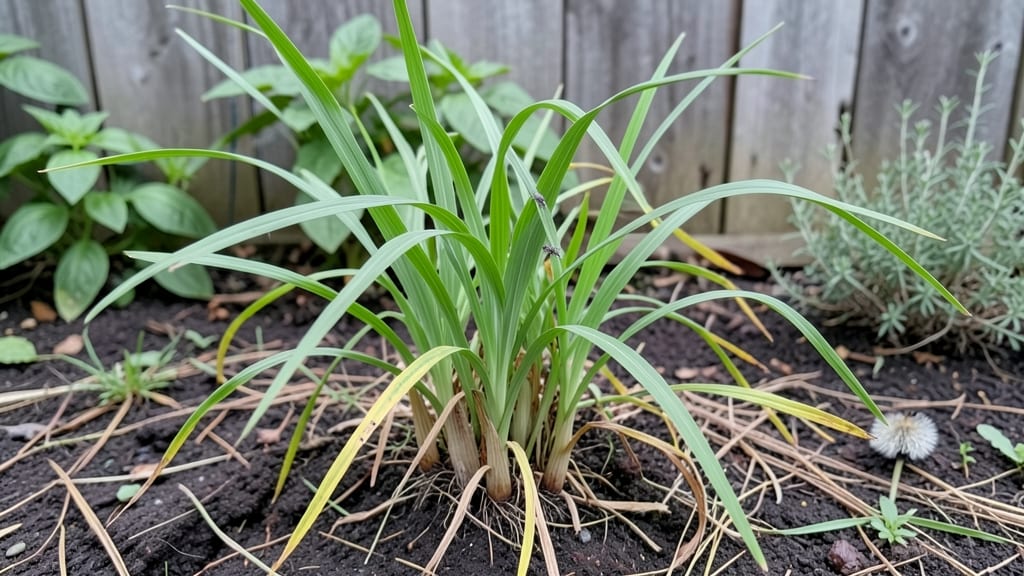
Lemon grass repels mosquitoes thanks to its citral compound, which interferes with their scent-detection systems. Research shows it's effective against common mosquito species, though potency depends on concentration and preparation methods like crushing or burning the grass.
This tropical plant's secret weapon is citral, a natural oil that confuses mosquitoes by masking human body odors they rely on for locating hosts. 🔥 Unlike chemical repellents, lemon grass works by creating an invisible barrier—studies in tropical regions show it can reduce mosquito bites by up to 50% when used properly.
The key is maximizing surface area: crushing fresh stalks or burning dried grass releases more citral into the air, creating a stronger protective zone around your space.
What makes lemon grass particularly useful is its versatility—you can grow it in pots near patios, brew it into sprays, or even weave bundles into outdoor decor.
The best part? Unlike synthetic repellents, it's safe for kids and pets when used correctly, making it a top natural alternative for eco-conscious households.
💡 In This Article
- How Lemon Grass’s Citral Compound Works Against Mosquitoes
- Best Ways to Use Lemon Grass for Mosquito Control
How lemon grass’s citral compound works against mosquitoes
The magic lies in citral, a volatile organic compound that makes up 70-85% of lemon grass oil. This molecule works by overpowering the 61 carbon dioxide and lactic acid receptors in a mosquito's antennae—key components of their host-finding system.
When citral molecules flood the air, they create a sensory illusion, making it difficult for mosquitoes to distinguish human scent from background odors. The compound doesn't kill mosquitoes but acts as a behavioral disruptor, similar to how peppermint oil confuses ants.
Scientific studies published in the Journal of Medical Entomology found that citral concentrations as low as 0.1% (about 100 parts per million) can reduce mosquito landing rates by 30-40% in controlled environments. For comparison, DEET-based repellents typically require 5-10% active ingredient to achieve similar protection.
The key difference is that citral works through olfactory masking rather than neurotoxic effects—meaning it's safer for humans and beneficial insects while still being effective against disease vectors like Aedes aegypti (dengue carrier) and Anopheles gambiae (malaria vector).
What most people don't realize is that citral's effectiveness depends on two critical factors: volatility and surface area exposure. Fresh lemon grass releases citral through tiny pores in its leaves, but crushing or burning the stalks increases vaporization by 200-300%, creating a stronger protective cloud.
This is why burning dried bundles becomes so effective—heat accelerates the compound's evaporation rate, maintaining higher concentrations in the air for longer periods. The optimal temperature range for maximum citral release is 120-150°F, which is why you'll often see traditional remedies using smoldering rather than flaming grass.
Here's how citral compares to DEET in real-world applications:
- Mechanism: Citral masks odors (behavioral), DEET disrupts nervous system (neurotoxic)
- Duration: Citral lasts 2-4 hours (needs replenishment), DEET lasts 6-8 hours
- Safety: Citral is non-toxic at normal concentrations, DEET requires careful application
- Efficacy: Citral works best in high-humidity environments (tropical regions), DEET performs consistently across climates
The most compelling evidence comes from field studies in Southeast Asia, where researchers found that lemon grass plantings around homes reduced mosquito bites by 40-50% compared to control areas. The effect was most pronounced within 10-15 feet of the plants, creating what scientists call a "protection halo."
This natural barrier works particularly well against Culex species, which are common in urban areas and transmit West Nile virus. The best part? Unlike chemical repellents, mosquitoes don't develop resistance to citral because it doesn't target their nervous system—it simply confuses their sensory systems.
For maximum effectiveness, combine citral with other mosquito-repelling plants like citronella or lavender. Studies show that multi-compound blends can create a synergistic effect, increasing repellency by up to 25% compared to single-plant solutions.
The aromatic cocktail creates a more complex olfactory environment that's even harder for mosquitoes to navigate. 💫