
Blooming
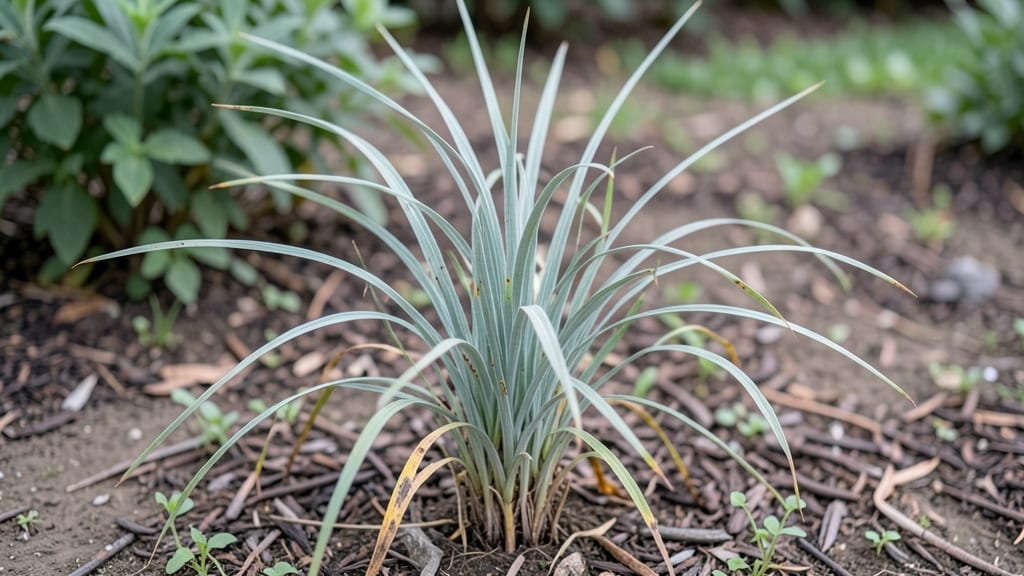
Lemon grass rarely blooms under standard home growing conditions, as its energy prioritizes producing edible stalks instead. Blooms only emerge in tropical climates or when mature plants (2+ years old) receive consistent warmth, abundant sunlight, and minimal stress. The flowers are delicate, white, and faintly fragrant but seldom appear in temperate zones.
Lemon grass is a perennial herb that naturally allocates most of its resources toward growing those thick, citrus-scented stalks we use in cooking. 🌱 The plant's flowering impulse is triggered by specific conditions—like consistent temperatures above 75°F and 12+ hours of daylight—which are hard to replicate in most home gardens.
Even when blooms do occur, they signal the plant is shifting energy toward reproduction, which can weaken stalk production. If you're growing lemon grass for culinary use, focusing on ideal soil, regular harvesting, and protecting it from cold snaps will keep it thriving without the distraction of flowers.
That said, the rare blooms themselves are a sight to behold—clusters of tiny, star-shaped white flowers that release a subtle, sweet fragrance. These flowers are technically edible (though bitter) and attract pollinators, but they're more of a bonus than a gardener's priority.
The real magic happens in the stalks, which stay tender and flavorful when the plant isn't diverting energy elsewhere.
💡 In This Article
- Lemon Grass Flowering Conditions and Plant Biology
- Encouraging Lemon Grass Growth Without Flowers
Lemon grass flowering conditions and plant biology
Lemon grass (Cymbopogon citratus) is a monocarpic perennial, meaning it allocates nearly all its energy to vegetative growth—those thick, citrus-scented stalks—until it reaches a critical maturity threshold. This biological strategy ensures the plant maximizes its edible yield before ever considering reproduction.
The flowering impulse is triggered by photoperiodism (daylight length) and thermoperiodism (temperature cycles), both of which are rare in temperate climates. In its native tropical regions, lemon grass experiences consistent 12-14 hour daylight periods and nighttime temperatures above 70°F, signaling it's time to shift resources toward flowering.
The plant's meristem (growth center) at the base of the stalks must reach a critical size—typically after 24+ months of growth—before it can initiate flowering. This explains why even mature plants in home gardens rarely bloom: they're constantly being harvested, preventing the meristem from reaching this threshold.
When conditions do align (like in a greenhouse with supplemental grow lights), the plant produces racemes—loose clusters of tiny, white, tubular flowers with a faint lemony aroma. These blooms are not the same as culinary lemon grass and are often bitter, though they're technically edible in small quantities.
Temperature plays a critical role in this process. Lemon grass is not frost-tolerant—even brief exposure to temperatures below 50°F can trigger stress responses that redirect energy away from growth and toward survival mechanisms.
In tropical climates, the consistent warmth (daytime highs of 85-95°F) combined with high humidity (70%+) creates ideal conditions for flowering. Without these, the plant defaults to vegetative growth, prioritizing stalk production over reproduction.
This is why most gardeners in USDA Zones 8-10 (where winters dip below freezing) will never see lemon grass flowers unless they use container growing and bring plants indoors during cold months.
Here’s what’s actually happening at the cellular level: The plant’s auxin hormones (growth regulators) suppress flowering until environmental cues—like long daylight and warmth—override them. Once triggered, the meristem produces floral primordia (flower buds) instead of new leaves or stalks.
This shift is irreversible—once lemon grass starts flowering, its stalk production declines sharply. In the wild, this ensures the plant’s energy goes toward seed production rather than maintaining edible biomass.
For home gardeners, this means harvesting regularly (cutting stalks at the base) keeps the plant focused on growth rather than reproduction.
Even when lemon grass does bloom, the flowers are short-lived—typically lasting only 3-5 days before wilting. The real visual spectacle comes from the seed heads that follow, which can develop into fluffy, cotton-like structures resembling dill or fennel.
These seeds are not viable for regrowing lemon grass (the plant reproduces primarily via rhizomes), but they add an unexpected ornamental touch. For culinary purposes, however, these flowers are a red flag—they indicate the plant is aging and its stalk quality may be declining.
What most people don’t realize is that stress can also trigger premature flowering. Overcrowding, nutrient deficiencies (especially potassium or phosphorus), or sudden changes in watering can force lemon grass to bloom early.
To prevent this, maintain well-draining soil with a pH of 6.0-7.0, fertilize with a balanced 10-10-10 formula every 6-8 weeks, and avoid letting the soil dry out completely. These conditions keep the plant stress-free and focused on stalk production.