
Flowers
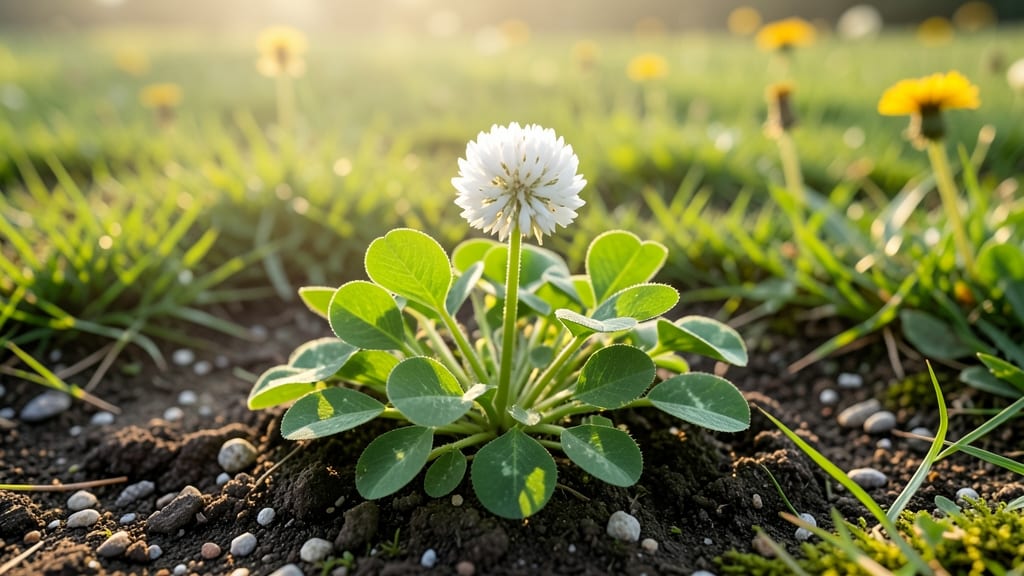
Those stubborn tiny white flowers popping up in your lawn? 🌱 They’re not just ruining your perfect green carpet—they’re probably clover, chickweed, or another weed that spreads faster than you can say "mow."
I’ve spent too many weekends pulling these little invaders, only to see them back the next week, so I’m sharing the exact steps that finally worked for me. The problem starts with lawn neglect: thin grass, poor soil, or overwatering creates the perfect welcome mat for weeds.
Most people grab herbicides first, but that can kill your grass too. Instead, I focus on three simple fixes: overseeding bare spots, adjusting watering, and spot-treating weeds with vinegar or targeted sprays—no harsh chemicals needed.
By late summer, your lawn will look dense and uniform, with those white blooms nowhere in sight. The key is consistency: feed the grass, not the weeds, and they’ll retreat for good. If you’d rather embrace wildflowers, I’ll show you how to turn them into a low-maintenance meadow instead.
Works for any lawn type, from sunny backyards to shady patches. Let’s reclaim that green space—without the white interlopers.
Hidden Triggers Behind Lawn Blooms
Those unexpected tiny white flowers popping up in your lawn aren’t just a surprise—they’re often the result of specific conditions your grass is signaling. Understanding the root causes helps you tackle the issue before it spreads. Here’s why your lawn might be suddenly covered in delicate white blooms:
Many tiny white-flowering weeds, like chickweed or clover, lie dormant in soil until conditions become favorable. When your lawn receives more sunlight—due to thinning grass, recent construction, or even seasonal shifts—they germinate rapidly.
These weeds thrive in compacted or nutrient-poor soil, where grass struggles to compete. Their shallow roots also mean they’re the first to sprout when moisture levels rise after dry spells.
Actionable clue: If the flowers appear in patches where grass is sparse or yellowing, sunlight exposure is likely the trigger.
Excess moisture—whether from overwatering, heavy rainfall, or poor soil drainage—creates the perfect environment for moisture-loving weeds like dandelions or ground ivy. These plants thrive in soggy conditions because their seeds germinate quickly in damp soil.
Even "dry" lawns can suffer if water pools in low-lying areas, encouraging weeds to outcompete grass roots.
Key sign: Check for puddles or spongy ground after rain. If water sits for more than 24 hours, drainage issues are likely at play.
Lawns deficient in nitrogen or phosphorus often see a surge in broadleaf weeds, including white-flowering varieties. Grass needs balanced nutrients to outcompete weeds, but if your soil lacks essentials like potassium or calcium, weeds fill the gap.
Even over-fertilization (especially with high-phosphorus lawn foods) can stimulate weed growth while weakening grass.
Test this: Conduct a simple soil test kit ($10–$20) to check pH and nutrient levels. A pH below 6.0 or above 7.5 can also invite weeds.
Physical disruption—whether from aeration, foot traffic, or even animal activity—breaks soil crusts and exposes dormant weed seeds. Tiny white flowers often appear after:
- 🔥 Spring aeration: Opens up compacted soil, letting seeds germinate.
- 👟 Heavy foot traffic: Compacts soil unevenly, creating micro-habitats for weeds.
- 🐾 Animal digging: Raccoons, moles, or even pets can unearth buried seeds.
Weeds like prostrate spurge or henbit capitalize on these disturbances by sending up rapid shoots.
Sudden temperature changes—like early spring warmth or late-fall heatwaves—trick weed seeds into germinating. Many white-flowering weeds (e.g., shepherd’s purse) are winter annuals, meaning they sprout in fall, flower in spring, and die by summer. If your lawn experiences uncharacteristic warmth in shoulder seasons, expect a bloom surge.
Pro tip: Monitor local frost dates. Weeds often appear before grass greens up in spring.
While herbicides target broadleaf weeds, overuse or misapplication can create resistance or kill beneficial microbes that suppress weeds. Pesticides, too, may disrupt soil ecosystems, allowing weeds to dominate. Even "organic" lawn treatments (like vinegar sprays) can leave gaps where weeds like white clover thrive.
Watch for: Flowers appearing in stripes or patterns where herbicides were recently applied.
Quick Fixes for Unwanted Blooms
If your lawn is suddenly dotted with tiny white flowers, don’t panic—there are practical ways to tackle the issue before it spreads. The solution depends on the cause, but most cases involve a mix of removal, lawn care adjustments, and prevention.
Below, we break down the steps for each common culprit, keeping it simple and effective.
If your lawn is invaded by white clover or wildflowers, the best approach is to weaken their presence while strengthening your grass.
🔥 Step 1: Mow High and Often
- Set your mower to 3–4 inches to shade out weeds and encourage grass growth.
- Mow regularly (about once a week) to prevent seeds from maturing.
👨🍳 Step 2: Hand-Pull or Dethatch
- For small patches, grab weeds at the base (gloves help!).
- If the lawn is thick with thatch, dethatch in early spring to improve grass health.
🥘 Step 3: Overseed and Fertilize
- Spread high-quality grass seed in bare spots after pulling weeds.
- Apply a balanced fertilizer (like 10-10-10) to help grass outcompete invaders.
✨ Pro Tip: If clover persists, try a natural vinegar spray (1 gallon vinegar + 1 oz dish soap) for spot treatment—just avoid spraying desirable plants!
If tiny white flowers are a sign of fungal spores (like powdery mildew) or insect activity, focus on restoring lawn health.
🔪 Step 1: Improve Drainage
- Test soil moisture—water deeply but infrequently (early morning is best).
- If soil is compacted, aerate in fall to help roots breathe.
🌡️ Step 2: Apply Fungicide (If Needed)
- For powdery mildew, use a copper-based fungicide or baking soda spray (1 tbsp baking soda + 1 quart water + a drop of soap).
- Avoid overwatering to prevent fungal spread.
💡 Pro Tip: If grubs or chinch bugs are the issue, treat with beneficial nematodes or milky spore powder for organic control.
If Creeping Charlie (with tiny white flowers) is taking over, aggressive removal is key.
🍳 Step 1: Smother with Cardboard or Mulch
- Cover affected areas with cardboard + mulch for 4–6 weeks to block sunlight.
- Alternatively, solarize in hot months by laying clear plastic.
🔥 Step 2: Spot-Treat with Vinegar
- Mix 1 part white vinegar + 1 part water + 1 tsp dish soap and spray directly on leaves (avoid grass).
- Reapply every 3–5 days until dead.
🎯 Step 3: Prevent Regrowth with Pre-Emergent
- Apply a pre-emergent herbicide in early spring to stop new seeds.
✨ Pro Tip: For dandelions or chickweed, a boiling water treatment works well—just pour carefully on the base!
The best defense? A healthy lawn that crowds out weeds naturally.
| Action | When to Do It | How to Do It |
|---|---|---|
| Aerate | Early fall | Rent a core aerator or hire a pro. |
| Overseed | Late summer/early fall | Use a mix of fescue or ryegrass. |
| Fertilize | Spring & fall | Use a slow-release, organic option. |
| Water Deeply | Early morning | 1–1.5 inches per week, less often. |
💡 Pro Tip: If your lawn is shady, choose shade-tolerant grasses like fine fescue to reduce weed growth.
Once you’ve removed the unwanted blooms, keep them from coming back with these habits:
- Mow high (3–4 inches) to shade out weeds.
- Test soil pH (ideal: 6.0–7.0)—adjust with lime or sulfur if needed.
- Pull weeds early before they seed.
- Avoid over-fertilizing—too much nitrogen = weak grass.
- Encourage beneficial insects (like ladybugs) to control pests naturally.
Final Thought: With the right approach, your lawn can go from weed-prone to lush and low-maintenance in just a season. Start with one method, monitor progress, and adjust as needed—your green thumb will thank you! 🌿💚
Frequently asked questions
Are tiny white flowers in my lawn always weeds?
Not necessarily! While many—like clover or chickweed—are weeds, some could be beneficial wildflowers or even edible plants. For example, white clover adds nitrogen to soil, while wild strawberries produce tiny white blooms. Check their leaf shape and growth habit before deciding to remove them.
How do I tell if these flowers are clover vs. something else?
Clover has three leaflets (like a tiny shamrock) and grows low to the ground, while chickweed has smooth, oval leaves in pairs and a slightly fuzzy stem. For dandelions, look for jagged leaves and a single flower stem. Use a plant ID app or consult a local garden center if you're unsure.
Will vinegar really kill these flowers without harming grass?
Only if used carefully! A 1:1 vinegar-water mix with dish soap works best on broadleaf weeds like clover, but avoid spraying grass—it can burn it too. For spot treatment, apply only to the leaves and avoid windy days. Test a small area first to check for grass sensitivity.
Can I just ignore tiny white flowers and let them grow?
It depends! If they're clover or wildflowers, they might improve soil health. But if they're aggressive weeds like Creeping Charlie, they'll spread and weaken your lawn. For a balanced approach, pull them early before they seed, or let them grow in one corner as a "wildflower meadow" if you prefer low-maintenance beauty.
Why do these flowers keep coming back even after I remove them?
Most weeds have deep root systems or spread through seeds that lie dormant in soil. Even pulling them out may leave roots behind. For stubborn cases, smother with cardboard or use a pre-emergent herbicide in early spring to prevent new growth. Consistency is key—check for regrowth every 2 weeks.