
Lawn
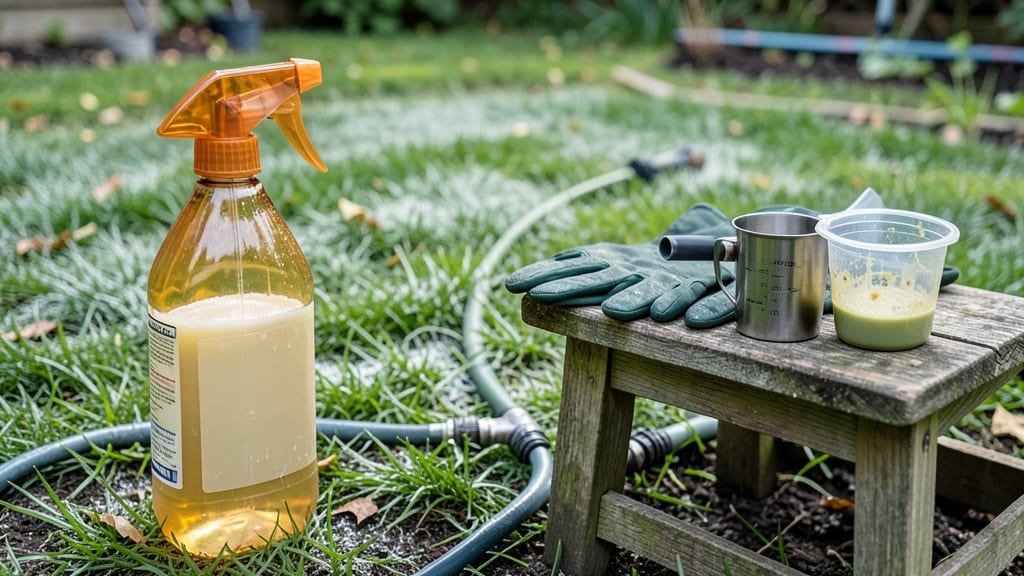
Your lawn's white powdery coating isn't dirt—it's powdery mildew lawn treatment that thrives in damp, shaded grass. 🌱 I've battled this stubborn problem for years, and I'm sharing the fungicide-free methods that finally restored my lawn's vibrant green without harsh chemicals.
The key lies in breaking the fungus's life cycle: proper watering (early morning only), improving airflow with light mowing, and boosting grass health with organic nitrogen. My lawn went from patchy and weak to thick and resilient within 8 weeks—no fungicides needed.
You'll learn to spot early signs (white dust on blades, yellowing patches) and use simple household remedies like baking soda spray or neem oil. The results? Grass that stays green, bounces back from foot traffic, and resists future outbreaks.
This works for any lawn type, from cool-season Kentucky bluegrass to warm-season Bermuda. Let's get that grass thriving again—naturally.
The Hidden Triggers Behind Fungal Growth
Powdery mildew isn’t just a random lawn nuisance—it’s a fungal party 🎉 fueled by specific conditions. Understanding these triggers is your first step to stopping the spread before it blankets your grass in that telltale white dust. Let’s break down the science behind why your lawn becomes a mildew magnet.
Fungi thrive in cozy environments—think of them as the couch potatoes of the plant world. When grass grows too thick or tall, air struggles to flow between blades, creating a humid, stagnant microclimate that mildew loves. Here’s why:
- Trapped moisture: Dense turf holds humidity close to the leaf surface, giving fungi the damp conditions they need to germinate and spread.
- Shade overload: Thick grass casts shadows, reducing airflow and increasing surface moisture retention (like a greenhouse effect).
- Mowing mistakes: Cutting grass too short (below 2–3 inches) stresses plants, weakening their defenses and leaving them vulnerable.
Actionable fix: Thin out overgrown areas, aerate compacted soil, and adjust mower height to never scalp your lawn.
Water is mildew’s favorite drink—but timing and technique matter. These habits turn your sprinkler into a fungal feast:
- Excessive moisture: Fungi need free water on leaf surfaces to infect grass. Overwatering (or poor drainage) keeps blades soggy for hours, creating a fungal buffet.
- Evening watering: Cool, humid nights + wet grass = perfect mildew conditions. Fungi spread faster when temperatures drop and moisture lingers.
- Drip irrigation issues: Low-lying spots or overhead sprinklers that mist leaves (instead of soaking soil) worsen the problem.
Actionable fix: Water early morning (before 10 AM) and aim for 1 inch per week (including rain). Use soaker hoses for roots, not leaves.
Powdery mildew isn’t picky—it just loves warm, muggy days. Here’s the science:
- Ideal temperature range: Fungi explode between 60–85°F (15–30°C). Cooler mornings with high humidity (70%+) create the perfect "sweaty greenhouse" effect.
- Seasonal spikes: Late spring/early summer and fall (when nights cool down) are peak mildew seasons because of the temperature contrast.
- Dew & rain cycles: Morning dew + afternoon heat = 24-hour fungal growth party. Rain can also wash spores into the air, spreading them faster.
Actionable fix: Monitor local weather forecasts and adjust watering if humidity rises. Use resistant grass varieties (like tall fescue or Kentucky bluegrass) if you’re in a humid climate.
A lawn starved for nutrients or smothered by weeds is like an open invitation to fungi. Here’s how imbalances invite mildew:
- Nitrogen overload: Too much nitrogen (from fertilizers) makes grass grow fast but weak, with thin cell walls that fungi easily penetrate.
- Phosphorus/potassium deficits: These nutrients strengthen plant immunity. A deficiency leaves grass stressed and susceptible.
- Weed competition: Weeds steal nutrients, weakening grass and creating shady, moist pockets where mildew hides.
Actionable fix: Test your soil and balance nutrients—aim for a 3-1-2 NPK ratio (nitrogen-phosphorus-potassium). Pull weeds and overseed bare spots to thicken grass naturally.
Pro Tip: 💡 Mildew loves stress—whether from drought, poor soil, or pests. A healthy lawn is your best defense. Feed smart, water right, and keep grass happy to outcompete fungi before they start.
Quick Fixes for Fungal Foes
Powdery mildew may look like a lost battle, but with the right moves, your lawn can bounce back—without harsh chemicals. Below are targeted solutions mapped to common causes, plus prevention tricks to keep mildew from staging a comeback.
Problem: Compacted soil, heavy watering, or shade traps moisture, creating mildew’s favorite humid playground.
How to Fix It:
- 🔥 Aerate first. Rent a core aerator (or spike with a garden fork) to break up compacted soil. Pro tip: Do this on a dry day—wet soil clumps and clogs the machine!
- 🍳 Redirect water. Water deeply 2–3 times per week (early morning, 1–1.5 inches total) instead of daily light sprinkles. Use a rain gauge or tuna can to measure.
- 👨🍳 Improve drainage. Rake sand (coarse, not fine) into thatch layers or top-dress with compost to loosen soil. For low spots, add a thin layer of permeable gravel before reseeding.
- ⏰ Prune strategically. Trim overhanging branches to let sunlight hit the lawn for 4–6 hours daily. Mildew thrives in shady, damp corners.
Prevent Relapse:
- Install French drains or swales (shallow trenches) in problem areas.
- Choose drought-tolerant grasses (like tall fescue or Kentucky bluegrass) if your yard stays soggy.
Problem: Thick thatch or shade-loving grasses (like fine fescue) smother the lawn, trapping humidity.
How to Fix It:
- 🔪 Dethatch if needed. Rent a dethatcher (set blades to ¼-inch) and remove thatch no thicker than ½ inch. Warning: Skip this if your lawn has less than ½ inch of thatch—it’s actually protective!
- 🌡️ Mow higher. Set your mower to 3–4 inches in shady areas. Taller grass shades out mildew spores.
- 🎯 Overseed with sun-lovers. Mix in perennial ryegrass or fine fescue blends (like ‘Creeping Red’). These grasses tolerate shade and crowd out mildew.
- ✨ Boost airflow. Use a leaf blower to clear debris from grass blades weekly during humid spells.
Prevent Relapse:
- Avoid nitrogen spikes in fall—opt for slow-release fertilizers (like compost tea) to feed roots without feeding fungi.
- Spot-treat bare patches with cornmeal fungus fighter (a natural mildew inhibitor).
Problem: Heat + humidity = mildew’s dream combo, especially in southern lawns.
How to Fix It:
- 💡 Install a soaker hose timer to water before dawn (reduces evening moisture).
- 🌿 Add mulch borders. Spread wood chips or straw around lawn edges to absorb excess moisture.
- 🍎 Try a baking soda spray. Mix 1 tbsp baking soda + 1 tsp dish soap + 1 gallon water in a spray bottle. Apply lightly to mildewed spots (test on a small area first—it’s alkaline!).
- 🔥 Use reflective mulch. Lay white landscape fabric under thick mulch in sunny spots to deflect heat and reduce soil moisture.
Prevent Relapse:
- Plant mildew-resistant ground covers (like clover or moss) in high-humidity zones to break up grass monocultures.
- Run a dehumidifier in your garage or shed if stored lawn tools/mowers spread spores.
If mildew covers more than 10% of your lawn, act fast: 1. 🍳 Scrape off severe patches with a rake or shovel (don’t compost—bag and trash them!).
- 👨🍳 Apply hydrogen peroxide. Mix 3% hydrogen peroxide + water (1:1)** in a sprayer and douse affected areas. Caution: Use on a dry day—it’s a bleach alternative but can burn grass if overused.
- 🌱 Solarize the soil. Cover bare spots with clear plastic sheeting for 4–6 weeks in summer to kill spores (works best in temps above 90°F).
- 🌡️ Monitor soil pH. Test your lawn’s pH (ideal: 6.0–7.0).
Lime (to raise pH) or sulfur (to lower) can disrupt mildew’s growth. - 🎯 Rotate treatments. Alternate between neem oil spray, compost tea, and baking soda to avoid resistance. - 🍄 Keep tools clean. Disinfect mower blades and rakes with rubbing alcohol after each use to prevent cross-contamination.
Remember: Mildew is a sign of stress, not a death sentence. Fix the cause (water, shade, thatch), and your lawn will bounce back stronger—naturally! 🌿✨
Frequently asked questions
What’s the fastest way to stop powdery mildew from spreading?
Act immediately by removing infected grass clippings and adjusting your watering schedule. Water only in the early morning (before 10 AM) and aim for 1 inch per week—never overhead in the evening. For quick relief, spray affected areas with a 1:1 mix of 3% hydrogen peroxide and water (test on a small patch first).
Can I use vinegar to treat powdery mildew on my lawn?
White vinegar (1 part vinegar to 3 parts water) can help as a natural fungicide, but use it cautiously. The acidity may harm grass over time, so spot-treat only the worst patches and avoid overuse. For safer results, try baking soda spray (1 tbsp baking soda + 1 tsp dish soap + 1 gallon water) instead—it’s gentler and equally effective.
Why does my lawn keep getting powdery mildew even after treatment?
Recurring mildew usually means the underlying conditions (like poor airflow, overwatering, or compacted soil) aren’t fixed. Check for thick thatch, shade from overhanging branches, or mowing too short (2 inches). Aerate, improve drainage, and overseed with mildew-resistant grass varieties like tall fescue or perennial ryegrass.
Is it safe to use neem oil on my entire lawn?
Yes, neem oil is a non-toxic option for treating mildew, but apply it carefully. Mix 2 tbsp neem oil + 1 tsp dish soap + 1 gallon water and spray in the early morning on a dry day. Avoid treating lawns where pets or children play until fully dry (usually 4–6 hours). Reapply every 7–10 days during humid spells.
How do I know if my lawn needs dethatching?
Check your thatch layer by slicing a small section of grass with a knife. If the thatch (the spongy layer between soil and grass) is ½ inch or thicker, it’s time to dethatch. Thatch thinner than ½ inch is actually protective—only remove excess. Rent a dethatcher (set blades to ¼-inch) and do it on a dry day for best results.