
Lawn
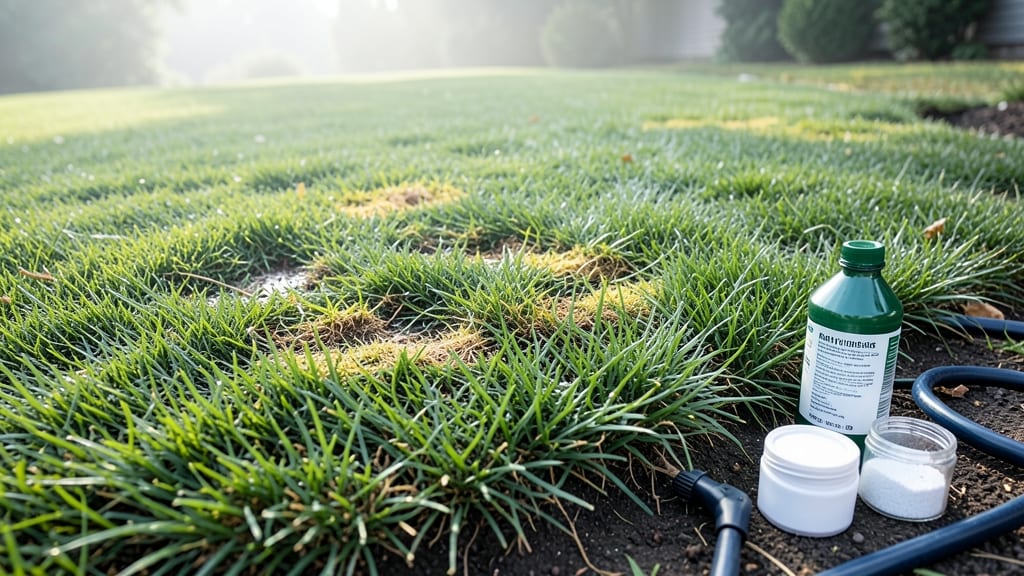
Dog pee lawn treatment turns your lawn into a patchwork of brown—until you try this simple fix. 🌱 I’ve spent years watching grass recover from my own pup’s "accidents," and the key is acting fast with water and soil care.
The damage isn’t permanent if you catch it early, and the right habits keep your yard green all season.
Here’s the thing—dog pee is just too concentrated for grass to handle. When it pools, the ammonia burns roots and leaves behind salt deposits that stunt growth. But with a few quick steps—diluting spots, rinsing, and overseeding—you can bring back that vibrant green in just a few weeks.
Even my black thumb lawns bounce back with this method.
You’ll see new grass blades pushing through within 2-3 weeks of proper care, and the yellow patches will fade completely by summer. The secret? A mix of immediate rinsing, soil amendments, and training your dog to pee in one spot. No harsh chemicals needed—just smart lawn habits.
Works for any grass type, from fescue to Bermuda, and keeps your pup happy too. Let’s get that lawn back to lush!
Why Dog Pee Burns Grass
If your lawn looks like it’s been hit by a yellow streak of lightning after your dog does its business, you’re not alone. Dog urine is a common culprit behind patchy, brown grass—but why does it happen?
The answer lies in the science of urine composition, soil chemistry, and plant biology. Let’s break down the root causes so you can tackle the problem head-on.
Dog urine is packed with nitrogen (up to 10x more concentrated than human urine) in the form of ammonia (NH₃) and urea. When fresh urine hits the grass:
- Ammonia spikes: The high pH (alkaline) of urine disrupts the grass’s cell membranes, causing osmotic shock. Think of it like pouring salt on a slug—cells dehydrate and die.
- Nitrogen overload: While nitrogen is essential for growth, concentrated doses act like a chemical burn. The grass can’t absorb it fast enough, leading to chlorosis (yellowing) or necrosis (brown, crispy patches).
- Soil pH shift: Urine raises soil pH locally, making nutrients like iron and manganese unavailable to grass roots. This mimics lime-induced stress, stunting recovery.
Actionable insight: Dilution is key! Encourage your dog to pee in different spots weekly to spread the nitrogen load. If you have a favorite pee zone, treat it with water or a dilute vinegar solution to neutralize pH.
Beyond nitrogen, dog urine contains sodium, potassium, and chloride—salts that accumulate in the soil. Here’s how they harm your lawn:
- Soil compaction: Salts disrupt soil structure, reducing water and oxygen penetration. Roots suffocate, leading to stunted growth or dead patches.
- Osmotic stress: High salt concentrations draw moisture out of grass roots, causing wilting and browning (similar to how road salt kills plants in winter).
- Microbe disruption: Beneficial soil bacteria and fungi (like mycorrhizae) struggle to thrive in salty conditions, weakening the grass’s natural defenses.
Actionable insight: Test your soil’s electrical conductivity (EC) near high-traffic pee zones. If levels are high, amend the soil with compost or gypsum to flush out salts.
Fresh dog urine isn’t just a soil problem—it physically damages grass blades through:
- Acidic burn (initially): While urine is alkaline, urea breaks down into ammonia, which can temporarily lower pH on contact, bleaching grass tips.
- Protein coagulation: Urine contains uric acid and creatinine, which can denature proteins in grass cells, causing them to crisp and turn brown.
- Light sensitivity: Damaged grass blades become photosynthesis-inefficient, turning yellow as they struggle to produce chlorophyll.
Actionable insight: Train your dog to avoid peeing on the same spots by using pee pads or designating a gravel or mulch area for bathroom breaks. If burns occur, rinse the area with water within 10 minutes to dilute the urine.
Not all lawns react the same way to dog urine. These factors amplify damage:
- Drought or heat: Urine concentrates salts and ammonia faster, increasing burn risk. Water-stressed grass is 3x more vulnerable.
- Clay soil: Holds urine longer, preventing dilution and trapping ammonia near roots.
- Thin or weak grass: Young seedlings or dormant grass (like in winter) can’t recover from urine’s shock.
- Frequent peeing**: Repeated urination in the same spot over-fertilizes the area, leading to nitrogen toxicity.
Actionable insight: If your lawn is sandy or well-draining, flush urine spots with water immediately. For clay soil, apply a thin layer of compost to improve drainage and buffer pH.
Next up: Learn how to reverse the damage with natural remedies that restore your lawn’s health—without harsh chemicals. 🌱
Quick Fixes for Dog Pee Damage
Reviving your lawn after dog urine doesn’t have to be a guessing game. The key is understanding the root cause—whether it’s nutrient burn, soil acidity, or dehydration—and applying the right remedy.
Below, we break down practical, step-by-step solutions tailored to each issue, plus prevention tips to keep your grass lush and happy long-term.
---
If your lawn looks bleached or straw-like where your pup pees, the ammonia in urine has likely overwhelmed the grass. The good news? This is often the easiest problem to reverse.
#### 🍳 Step 1: Flush the Area Immediately - Act fast! The moment you notice yellowing, dilute the urine by hosing down the spot with water for 10–15 seconds.
This washes away excess ammonia before it damages roots. - Pro tip: 💡 Use a gentle spray nozzle (not a jet stream) to avoid disturbing the soil.
#### 👨🍳 Step 2: Apply a Nitrogen Boost Dog urine is high in nitrogen, but too much at once burns grass.
Balance it out with: - Organic lawn fertilizer (look for a low-nitrogen, high-potassium blend like 5-10-10). - Compost or grass clippings (sprinkle a thin layer over the area to replenish nutrients naturally). - Avoid synthetic fertilizers right after flushing—they can worsen the burn.
#### 🥘 Step 3: Water Deeply & Frequently - Water the affected area 2–3 times per week (early morning is best). - Aim for 1 inch of water per session to encourage deep root growth. - 🌡️ Watch for recovery: If the grass turns green within 1–2 weeks, you’re on the right track!
---
If your lawn stays dull and yellow even after flushing, the urine may have lowered soil pH, making nutrients harder for grass to absorb.
#### 🔪 Step 1: Test Your Soil - Grab a DIY soil test kit (available at garden centers) to check pH. - Ideal pH for grass: 6.0–7.0. If it’s below 6.0, your lawn is too acidic.
#### ⏰ Step 2: Neutralize with Lime - Spread garden lime (calcium carbonate) over the lawn using a broadcast spreader. - Rate: Follow package instructions (typically 20–50 lbs per 1,000 sq ft). - Water thoroughly after applying to help it absorb into the soil. - 🎯 Time it right: Apply lime in early spring or fall for best results.
#### ✨ Step 3: Use a Chelated Iron Supplement - Yellowing from acidity? Try a chelated iron supplement (like Ironite). - How to apply: Mix with water and spray over the lawn, focusing on yellow patches. - Grass should green up in 3–7 days.
---
If the grass around pee spots stays dry and brittle, your dog’s urine may have disrupted the soil’s moisture balance.
#### 💡 Step 1: Improve Soil Drainage - Aerate the lawn (rent a core aerator or use a manual lawn aerator) to help water penetrate deeper. - Top with sand or compost (¼ inch) to improve soil structure.
#### 🌿 Step 2: Mulch with Grass Clippings - Mow frequently and leave clippings on the lawn—they act as a natural mulch, retaining moisture. - For severe spots: Sprinkle straw or wood chips (¼ inch thick) over dry areas.
#### 🔥 Step 3: Adjust Watering Habits - Water deeply but less often (e.g., 3x per week for 20 mins instead of daily light sprinkles). - Use a rain gauge to ensure 1 inch of water per week (including rainfall). - 🌡️ Morning watering (before 10 AM) reduces evaporation and fungal growth.
---
Once you’ve revived your lawn, keep it thriving with these low-effort habits:
| Problem | Prevention Fix | How Often | |---------------------------|--------------------------------------------|------------------------| | Urine burn | Train your dog to pee in one designated area (use a pee pad or gravel patch). | Daily (retrain if needed) | | Soil acidity | Spread lime every 2–3 years (test pH first). | Spring/fall | | Dehydration | Water deeply 2–3x per week (not daily light watering). | Seasonal adjustment | | Weak grass | Fertilize with slow-release organic fertilizer (like milorganite). | Every 6–8 weeks | | Fungal growth | Rake up clumps of urine-soaked grass immediately. | After each pee session |
--- 💡 Bonus Pro Tip: If your dog is a frequent pee-er, consider planting clover in high-traffic areas—it’s more urine-resistant than grass and adds nitrogen to the soil!
--- By tackling the specific issue (burn, acidity, or dehydration) and preventing future damage, your lawn can bounce back faster than you think—without harsh chemicals. 🌱🐾
Frequently asked questions
Why does my dog's pee turn grass yellow so quickly?
The high ammonia and nitrogen concentrations in dog urine create an instant chemical burn. When urine hits grass, it disrupts cell membranes within minutes, causing rapid dehydration and yellowing. The ammonia also raises soil pH locally, blocking nutrient absorption—especially iron and manganese—which makes grass blades turn yellow almost immediately.
Can I use vinegar to neutralize dog pee spots?
Yes, but use it carefully! Mix 1 part white vinegar with 3 parts water and spray affected areas immediately. The acetic acid helps dilute the urine's alkalinity and flush out salts. Avoid undiluted vinegar—it can further acidify your soil. Apply in the morning so the lawn has time to dry before nightfall.
How long does it take for grass to recover from dog urine damage?
With proper treatment, most lawns show improvement within 1-2 weeks. If you flush the area immediately and apply compost or fertilizer, new grass blades should emerge in 3-4 weeks. Severe cases may need 6-8 weeks of consistent care, especially in hot/dry conditions. The key is acting fast and maintaining proper moisture levels.
Will overseeding help repair dog pee damage?
Overseeding is one of the best ways to restore damaged areas. Choose a fast-growing grass seed mix (like perennial ryegrass) and spread it over the yellowed spots after treating the soil. Keep the area moist for 2-3 weeks to help new growth establish. This works particularly well for high-traffic pee zones that keep getting hit.
What's the best way to train my dog to pee in one spot?
Start by designating a gravel or mulch area (about 2x3 feet) and consistently take your dog there after meals or playtime. Use a cue word like "go potty" and reward with treats when they use the spot. For stubborn dogs, try a pee pad in the designated area. Consistency is key—most dogs learn within 2-4 weeks of daily practice.