
Pests
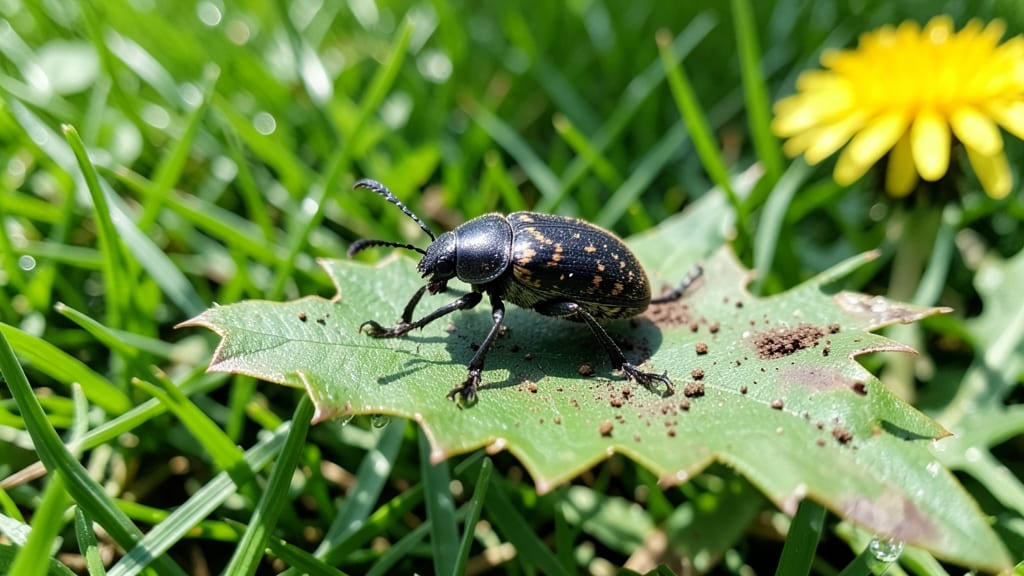
Coffee grounds work best against soft-bodied pests because the caffeine disrupts their nervous systems, while the acidity creates an inhospitable environment. 🔥 However, this method won’t stop beetles, grubs, or larger insects that aren’t affected by these compounds.
The real magic happens when you combine coffee grounds with other organic deterrents like diatomaceous earth or neem oil for broader protection. Just remember—what works for one type of pest might attract others, so always monitor your lawn’s response.
For best results, sprinkle grounds lightly around garden edges or mix them into compost piles. I’ve found that applying them too thickly can actually invite fungus gnats or alter your soil’s acidity over time.
If your lawn already has acidic soil (like blueberry bushes love), coffee grounds might make things worse—so test your soil first. Think of this as a supporting player, not the star of your pest control lineup.
💡 In This Article
- How Coffee Grounds Affect Lawn Pests and Soil
- Best Ways to Use Coffee Grounds for Lawn Pest Control
How coffee grounds affect lawn pests and soil
The caffeine in coffee grounds acts as a natural insect repellent by disrupting the nervous systems of soft-bodied pests like slugs and snails. Studies show that even small concentrations of caffeine (around 0.1-0.3%) can deter these pests from crossing treated areas.
The acidity from spent grounds—typically ranging from pH 4.5 to 6.0—creates an inhospitable environment for many insects, while the coarse texture physically blocks access to plant roots. 🔥 This dual-action approach explains why coffee grounds work better against smaller pests than larger ones, which can bypass these barriers.
However, not all insects react the same way. Earthworms, for example, thrive in slightly acidic conditions and may even benefit from coffee grounds as they break down into nitrogen-rich compost. Bees and other pollinators are generally unaffected, but overapplication can harm their habitat by altering soil structure.
The key factor is balance—what repels pests might also disrupt beneficial soil microbes if applied excessively. Experts recommend treating coffee grounds as a supplementary tool rather than a standalone solution.
When it comes to soil health, the effects depend on how much you use. Fresh coffee grounds are 70-80% organic matter and can improve soil texture when composted, but raw application can create anaerobic pockets that invite fungus gnats.
The caffeine breaks down within 2-4 weeks, but the acidity lingers longer, potentially lowering soil pH below 6.0 if overused. This is why gardeners with acidic soil (like those growing blueberries or azaleas) should proceed with caution or test their soil first.
Research from the University of Florida suggests that coffee grounds work best when applied as a thin layer (1/4 inch or less) around garden edges rather than spread thickly across lawns.
The repellent effect diminishes as grounds decompose, so reapplication every 4-6 weeks during pest seasons (spring and fall) yields the best results. For stubborn pests like grubs, combine coffee grounds with diatomaceous earth or neem oil for broader coverage.
The science behind this involves more than just caffeine—it’s also about the physical and chemical barriers created. The coarse texture of grounds disrupts insect movement, while the acidity interferes with their exoskeletons. However, this method won’t stop larger pests like beetles or moles, which require different strategies.
Think of coffee grounds as a targeted tool in your pest control arsenal, not a universal fix. 💫
For those curious about the sensory experience, freshly applied coffee grounds have a rich, earthy aroma that fades as they decompose. The texture starts coarse and gradually softens into a crumbly consistency.
This transformation is a visual reminder of how organic matter cycles back into the soil—benefiting plants while keeping pests at bay, when used correctly.