
Lawn
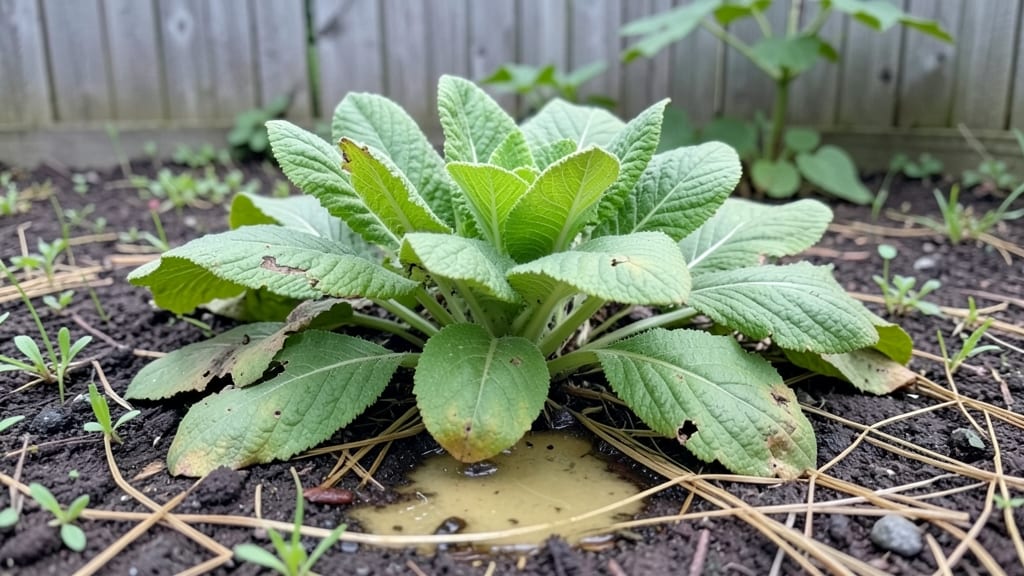
Seeing your dog killing your lawn with urine isn’t just frustrating—it’s a battle between nature’s fertilizer and your grass’s survival instincts. 🌱 I’ve seen firsthand how a few simple steps can turn yellow patches into lush green again, even after years of damage.
The key isn’t guessing what your grass needs but understanding why urine does this in the first place.
Here’s the thing—dog urine is high in nitrogen, which should feed grass, but the acidity and concentration from frequent peeing shock the roots. Most people overreact by watering more or fertilizing harder, which makes it worse.
Instead, we’ll focus on dilution, soil balance, and smarter grass choices that handle traffic better. You don’t need fancy tools or chemicals—just a few targeted fixes.
By the end, you’ll have a lawn that stays green even after your pup does his business. We’re talking thick, resilient grass that recovers faster and resists future damage.
The best part? These methods work whether you’ve got one dog or a pack—no more sacrificing your yard to your pet’s habits.
Confession: I used to think clover was just a weed, but now I swear by it in high-traffic areas. Let’s get your lawn back to looking like the envy of the neighborhood—without the brown spots.
Understanding the root causes
If your once-lush lawn now resembles a patchwork of brown spots after your dog’s frequent visits, you’re not alone. Dog urine damage is a common but often misunderstood issue. The problem isn’t just the urine itself—it’s a mix of chemical composition, soil interactions, and even your pup’s behavior.
Let’s break down the science behind why your grass turns into a crime scene after your dog does his business.
🧪 High Ammonia And Nitrogen Overload
Dog urine is highly concentrated in ammonia and nitrogen, which are byproducts of protein metabolism. When your dog pees, these compounds are released into the soil at levels far exceeding what grass can safely absorb. Here’s how it plays out:
- Initial Burn: The high ammonia content creates a rapid spike in soil pH, often reaching levels between 7.5 and 9.0 (alkaline). Grass thrives in slightly acidic soil (pH 6.0–7.0), so this sudden shift acts like a chemical burn, killing grass blades on contact.
- Nutrient Shock: While nitrogen is essential for grass growth, the sudden influx overwhelms the roots. Instead of nourishing the plant, it disrupts cellular function, leading to oxidative stress and cell death.
- Evaporation Effect: As the urine dries, ammonia gas escapes into the air, but the damage is already done—the grass loses its ability to uptake water and nutrients, turning crispy and brown.
Pro Tip: 💡 Dilution is key. Encourage your dog to take smaller, more frequent pees in the same spot by training them to urinate in one designated area (like a gravel patch). This spreads the nitrogen load over time, reducing the risk of burns.
🌱 Soil Compaction And Root Suffocation
Beyond the chemical damage, dog urine can physically harm your lawn. Frequent urination in the same spots leads to:
- Soil Compaction: Dogs’ paws press down on the soil, reducing air pockets and cutting off oxygen to grass roots. Compacted soil also blocks water drainage, leaving roots waterlogged or parched.
- Microorganism Disruption: Healthy soil relies on beneficial bacteria and fungi to break down organic matter and cycle nutrients. Urine’s high salt content can kill these microbes, further weakening the soil’s ability to support grass growth.
- Thatch Buildup: Over time, decomposed urine and organic matter accumulate, forming a thick thatch layer that smothers grass roots, preventing them from accessing sunlight and nutrients.
Actionable Fix: 🔥 After your dog uses the spot, loosen the soil gently with a rake to restore airflow. If compaction is severe, consider aerating the lawn in the spring or fall to revive root health.
🐕 Dog Behavior And Frequency Factors
Not all dogs are lawn killers—it often comes down to breed, diet, and habits. Here’s how your pup’s behavior worsens the damage:
| Factor | Why It Matters | What You Can Do |
|---|---|---|
| 🐶 High-Protein Diet | Dogs on protein-heavy diets (e.g., raw, kibble with meat byproducts) produce more concentrated urine, increasing ammonia levels. | Switch to a balanced diet with moderate protein (20–25%) and added fiber to dilute urine. |
| 💧 Hydration Levels | Dehydrated dogs release smaller, more potent urine volumes, while well-hydrated dogs produce larger, less damaging pees. | Ensure fresh water is always available and consider adding cucumber or wet food to boost hydration. |
| ⏱️ Territorial Marking | Male dogs (especially unneutered) and female dogs in heat repeatedly urinate in the same spots, creating concentrated damage zones. | Neutering/spaying can reduce marking. Train your dog to use a designated pee area away from the lawn. |
Quick Tip: 🎯 If your dog has a favorite spot, place a dog-safe artificial turf patch or pebble bed there to train them to avoid the grass.
🌡️ Weather And Seasonal Effects
Believe it or not, temperature and humidity play a role in how much damage dog urine causes:
- Hot, Dry Conditions: In summer, urine dries quickly, leaving behind concentrated salts and ammonia that crystallize on grass blades, acting like a slow-motion burn.
- Cold, Wet Seasons: Winter urine may freeze or dilute in the soil, reducing immediate damage, but the nitrogen still builds up over time, leading to springtime shock when grass tries to recover.
- Rainfall Timing: If it rains within 24–48 hours of your dog peeing, the urine gets washed deeper into the soil, where it can harm roots. If it doesn’t rain, the surface burn worsens.
Seasonal Hack: ✨ In summer, water the affected area immediately after your dog goes to dilute the urine. In winter, avoid fertilizing near high-traffic dog zones—excess nitrogen + urine = double the damage.
Fixing Yellow Patches Naturally
Now that you understand why your lawn is suffering from your pup’s urine, it’s time to take action! The good news is that most solutions are simple, budget-friendly, and—most importantly—dog-safe.
Below, we’ll break down the best fixes based on the root cause of the damage, along with preventive tips to keep your grass lush and your dog happy.
🌱 If Your Dog’s Diet Is the Culprit
Urine pH is often the first culprit behind dead patches. If your dog’s diet is high in proteins or minerals, their urine becomes more acidic or alkaline, burning grass on contact.
🍗 Adjust Their Diet for Healthier Urine
- Switch to a balanced diet: Feed your dog high-quality kibble with moderate protein (look for AAFCO-approved brands). Avoid fillers like corn or soy, which can alter urine pH.
- Add natural pH balancers:
- For acidic urine: Feed more vegetables (carrots, spinach) or fish (salmon, sardines).
- For alkaline urine: Incorporate meat-based proteins (chicken, turkey) or bone broth (unsalted, no onions/garlic).
- Hydration is key: Ensure fresh water is always available. Diluted urine is less harmful to grass.
💡 Pro Tip:
If you’re unsure about your dog’s urine pH, a simple at-home test kit (available at pet stores) can help you monitor changes after dietary adjustments.
🚿 If Overwatering or Poor Drainage Is the Issue
If your lawn stays soggy after your dog pees, the urine sits too long, suffocating grass roots.
💦 Improve Drainage in Problem Areas
- Rake the soil gently after your dog uses the spot to aerate the area and help water absorb faster.
- Add compost or sand to heavy clay soil to improve drainage naturally.
- Water the lawn thoroughly before your dog pees—this dilutes the urine and reduces damage.
⏰ Train Your Dog to Pee in Different Spots
- Designate a "pee zone" away from high-traffic grass areas (e.g., near a gravel path or mulch bed).
- Use positive reinforcement: Praise your dog when they use the designated spot and redirect them if they start elsewhere.
🌿 If Your Grass Isn’t Urine-Resistant
Not all grass types can handle frequent urination. If your lawn is thin or prone to burn, it’s time for a dog-friendly upgrade.
🌱 Choose Urine-Resistant Grass Types
Replace damaged patches with these hardy, fast-recovering grasses:
- Buffalo Grass (drought-resistant, tolerates urine well)
- Fescue (deep roots, recovers quickly)
- Clover (nitrogen-fixing, thrives in dog urine)
🛠️ Patch Repair Steps
- Remove dead grass with a trowel or rake.
- Loosen soil in the area to help new seeds root.
- Sprinkle urine-resistant seed and cover lightly with soil.
- Water gently (avoid oversaturating).
🧴 If Urine Burns Are Already Severe
For large yellow patches, you’ll need a two-step approach: neutralize the damage and restore the lawn.
🧼 Neutralize Urine Damage
- Vinegar rinse (for acidic urine):
- Mix 1 part white vinegar with 3 parts water in a spray bottle.
- Lightly mist the affected area (avoid oversaturating).
- Rinse with water after 10 minutes.
- Baking soda (for alkaline urine):
- Sprinkle a thin layer over the spot, water lightly, then rinse.
🌱 Revive the Lawn
- Overseed the area with a fast-growing grass mix (like ryegrass).
- Apply a thin layer of compost to help recovery.
- Avoid heavy foot traffic until the new grass is established (about 2-3 weeks).
🛡️ Long-Term Prevention Tips
- Dilute urine on contact: Train your dog to drink more water before outdoor trips.
- Use pee pads or artificial turf in high-traffic areas.
- Mow higher (3-4 inches) to strengthen grass roots.
- Fertilize with nitrogen (like compost tea) to help grass recover faster.
⚠️ What NOT to Do
- Don’t use harsh chemicals (like bleach or strong fertilizers)—they can harm your dog.
- Avoid overwatering the damaged spots (it worsens root suffocation).
- Don’t blame your dog—this is a fixable issue with the right steps!
With these natural, dog-safe solutions, your lawn can bounce back—and your pup can keep doing their business without guilt. 🐾🌿 Try one fix at a time, monitor progress, and soon, you’ll have a lush, urine-proof yard!
Frequently asked questions
Why does my dog's urine turn grass brown even after watering?
Dog urine contains high ammonia levels that create a chemical burn when concentrated. Watering immediately after your dog pees helps, but the real issue is nitrogen overload and pH spikes. Even if you water, the roots may still suffer from compaction or nutrient imbalance. Try diluting urine by encouraging your dog to drink more water or using designated pee zones.
Will clover really help repair urine-damaged lawns?
Clover is a nitrogen-fixing plant that thrives in dog urine because it converts the nitrogen into plant food. It also recovers faster than grass and handles foot traffic better. Mix clover seeds with your grass repair blend for a hardier, greener lawn that's naturally resistant to urine damage. Plus, it attracts pollinators!
How long does it take to see results after patching damaged spots?
With proper care, you'll see new grass sprouting in 7-14 days, but full recovery takes 4-6 weeks. The key is using fast-growing seeds like ryegrass and keeping the area moist (but not soggy). Avoid walking on repaired patches until the grass reaches 2-3 inches tall to prevent new damage.
Can I use commercial urine-neutralizing products?
Some products like Urine Off or Pet Stain & Odor Remover can help, but they're not always necessary. Natural alternatives like vinegar (for acidic urine) or baking soda (for alkaline urine) work just as well. Always test small areas first and rinse thoroughly to avoid altering your soil's pH balance.
What's the best grass type for high-traffic dog areas?
For urine-prone spots, choose tall fescue or Bermuda grass—both have deep roots that recover quickly. If you want a low-maintenance option, buffalo grass or a clover-grass mix handles urine better than traditional lawn grass. These varieties stay green longer and bounce back faster after damage.