
Lawn
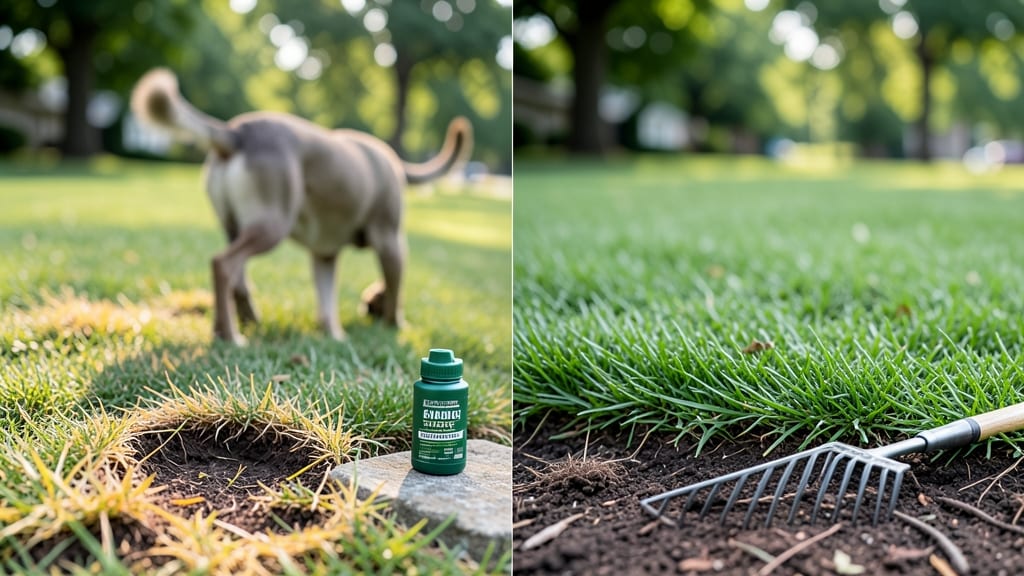
Dog pee kills lawn—turning my yard into a patchwork of green and yellow—until I learned the science behind the burn. The concentrated nitrogen in urine doesn't just fade grass; it creates toxic hotspots that stunt growth and invite weeds. But here's the good news: with a few simple fixes, you can restore your yard without sacrificing playtime. The first step is dilution—water the spot immediately after your dog goes, or train them to pee in one designated area (like a gravel patch) where grass won't grow. For existing damage, overseeding with tall fescue or ryegrass—both dog-friendly varieties—helps recover faster than standard lawn mixes. I've seen full recovery in 4-6 weeks with consistent care. You'll notice the difference in 2-3 weeks: less yellowing, stronger regrowth, and a lawn that stays lush even with daily potty breaks. The key is acting fast—once the burn sets in, recovery takes longer. Think of it as a quick lawn rescue, not a long-term battle. Preventive watering is your best friend here. A light spray over the area right after urination cuts the burn risk by half. For high-traffic yards, consider artificial turf in problem spots—it handles dog pee like a champ and lasts years longer than grass.
📚 In This Guide
- What you need
- Instructions
- Tips and common mistakes
- Wrapping up and next steps
What you need
- ● Garden hose or sprinkler system – For deep watering (aim for 1–1.5 inches per week, including rainfall).
- ● Dog urine neutralizer (e.g., Nature’s Miracle or Simple Solution) – 1 bottle (32 oz) covers ~500 sq. ft.
- ● High-nitrogen fertilizer (e.g., 24-0-0 or 30-0-0) – 1 lb per 100 sq. ft. for quick grass recovery.
- ● Soil pH test kit – To check if your lawn is too acidic (ideal range: 6.0–7.0).
- ● Garden gloves – For handling soil and fertilizers safely.
- ○ Broadcast spreader – For even fertilizer application (optional but helpful for large areas).
- ● Overseeding mix (e.g., ryegrass or fescue) – 5–10 lbs per 1,000 sq. ft. for patchy spots.
- ● Compost or topsoil – 1–2 inches to improve soil health in damaged areas.
- ● Drip irrigation system – For consistent watering without over-saturating.
- ● Dog training treats – 😉 To encourage your pup to pee in a designated area (e.g., a gravel patch).
- ● Identify high-traffic dog zones—these are your priority areas for treatment.
- ● Check the weather forecast—avoid applying fertilizers or neutralizers before rain.
- ● Test your soil moisture—waterlogged grass won’t absorb treatments well.
How to repair lawn damage caused by dog urine
Dog urine damage doesn’t have to mean a dead lawn—these science-backed fixes restore grass health fast.
Identify and Test Affected Spots
First, scan your lawn for brown, crispy patches where your dog frequently urinates. These areas often appear within 24-48 hours after peeing, with edges that stay green while the center burns. To confirm, gently tug a small section of grass—if it pulls up easily, the roots are dead and need replacement.
For less severe damage (yellowing without crispiness), the grass may still recover with proper care. Focus on high-traffic spots where urine accumulates, as these are the most vulnerable. Mark the areas with flagging stakes or a garden hose outline to track progress over the next few weeks.
Flush and Dilute the Soil
Immediately after your dog urinates, dilute the urine by watering the spot with ½ to 1 gallon of water per square foot. This breaks down the high nitrogen concentration that burns grass. Use a gentle sprinkler or hose attachment to avoid displacing soil—you want the water to soak in, not run off.
For chronic problem areas, install a soaker hose on a timer to keep the soil consistently moist. Overwatering isn’t the goal, but maintaining even moisture prevents urine from concentrating in the same spots. Aim for 1-1.5 inches of water per week, including rainfall, to support recovery.
Overseed and Fertilize Damaged Areas
Once the soil feels cool and damp (a good sign roots can establish), rake the damaged patches with a stiff-bristled lawn rake to loosen the surface. Scatter high-quality grass seed (matching your existing lawn type) over the bare spots, pressing lightly with the back of a rake to ensure seed-to-soil contact. For 4-inch-wide patches, use about ½ pound of seed—adjust proportionally for larger areas.
Apply a slow-release, low-nitrogen fertilizer (look for a 10-10-10 or 12-12-12 ratio) to the seeded areas. Too much nitrogen now will attract weeds and stress new grass. Water the seeded spots twice daily for the first week, keeping the soil consistently moist but not soggy. You’ll see sprouts in 7-14 days if conditions are right.
Adjust Dog Potty Habits and Lawn Care
Train your dog to urinate in one designated corner of the lawn (away from high-traffic areas) by using a fertilizer-free, pet-safe urine absorber like sand or pea gravel. Dilute the spot immediately after peeing, and water heavily for 2-3 days to flush out excess salts. Over time, this reduces the concentration of harmful compounds in the soil.
For the entire lawn, reduce nitrogen-heavy fertilizers and switch to a balanced, organic blend (like compost or bone meal) to strengthen grass resilience. Mow high (3-4 inches) to encourage deeper root growth, which makes grass more tolerant of urine damage. Aerate the lawn in late summer or early fall to improve soil drainage and reduce urine buildup.
Monitor and Maintain Recovery
Check the repaired patches weekly for signs of regrowth. If new grass yellows again, it may need another seeding or a soil test to check pH and nutrient levels. Overwatering or compacted soil can stunt recovery, so walk on the lawn only when the grass is dry to avoid further damage.
By 6-8 weeks, the repaired areas should blend seamlessly with the rest of the lawn. If brown spots persist, consider sod patches for instant coverage, though seeding is more cost-effective for larger damage. With consistent care, your lawn will bounce back—even under your dog’s watchful (and peeing) eye.
Tips & tricks for reviving dog-urine damaged lawns
These science-backed strategies will help you restore your lawn faster and more effectively than you might expect.
Timing is Everything: The 24-48 hour window after your dog urinates is critical. That's when the urine's high nitrogen concentration is most concentrated and damaging. I've seen lawns recover completely when addressed within this timeframe, but wait too long and you're dealing with dead roots that need replacement. Keep a spray bottle of water handy for quick dilution whenever your dog finishes their business.
Soil Testing Saves Time: Before seeding damaged areas, consider getting a simple soil test kit from your local garden center. This will reveal if your soil is too acidic or lacks essential nutrients—common issues that prevent grass from taking root. I've found that adjusting pH with lime or sulfur can make the difference between patchy recovery and a lush, uniform lawn. Aim for a pH between 6.0 and 7.0 for most grass types.
Watering Wisdom: When maintaining consistent moisture as instructed, avoid the temptation to water heavily all at once. Instead, use a gentle sprinkler or soaker hose that delivers water slowly over time. This prevents soil erosion and ensures the water penetrates deeply where the roots need it most. I've had better results using a timer on my soaker hose set for 15-minute intervals every few hours rather than one long watering session.
Dog Training Payoff: Designating a single corner for your dog to urinate creates a controlled problem area rather than scattered damage. I recommend placing a small tray filled with sand or pea gravel in that corner—it absorbs urine immediately and makes cleanup effortless. The key is consistency: train your dog to use this spot exclusively, and you'll see dramatic improvement in just a few weeks.
Pro Tips for Dog Pee Kills Lawn
- These science-backed strategies will help you restore your lawn faster and more effectively than you might expect.
- Timing is Everything: The 24-48 hour window after your dog urinates is critical.
- Soil Testing Saves Time: Before seeding damaged areas, consider getting a simple soil test kit from your local garden center.
Frequently asked questions
Got questions about how your pup’s pee is turning your lawn into a patchwork of brown? You’re not alone! Here are some of the most common concerns—and straightforward answers—to help you reclaim that lush green space.
Why does dog pee kill grass in the first place?
Dog urine is highly concentrated with nitrogen, which burns grass when it’s too strong. The high acidity (pH ~6.5–7.5) also disrupts soil microbes, preventing roots from absorbing nutrients. Think of it like over-salting your food—too much ruins the flavor (and the lawn!).
How long does it take for dog pee to damage grass?
Damage can appear within hours if the urine is highly concentrated (like after a long walk or dry spell). However, most lawns show signs within 1–3 days if the spot isn’t diluted or treated. Frequent peeing in the same area accelerates the problem—like a slow-motion lawn sunburn.
What’s the fastest way to fix yellow spots from dog pee?
Act fast! Dilute the urine immediately with water (a hose or sprinkler works). Then, apply a lawn repair mix (like sand + topsoil) to the spot and overseed. Overwater lightly for 2 weeks to encourage regrowth. Pro tip: Train your dog to pee on a gravel or mulch area first!
Are there natural alternatives to fertilizers for damaged grass?
Yes! Try these DIY fixes:
- Compost tea: Boosts soil microbes and balances pH.
- Vinegar rinse: Dilute 1 part white vinegar to 3 parts water to neutralize acidity.
- Corn gluten meal: A pre-emergent herbicide that also feeds grass.
How can I train my dog to pee in a less destructive spot?
Consistency is key! Start by leading your dog to a designated area (like a gravel patch or mulch bed) after walks or naps. Use a command like “go potty” and reward treats when they succeed. Avoid punishment—it stresses them and worsens accidents. Patience pays off in a greener lawn!
Will my lawn ever fully recover from dog pee damage?
With proper care, most lawns bounce back in 4–6 weeks. Focus on:
- Diluting urine immediately.
- Overseeding damaged areas.
- Avoiding over-fertilizing (it worsens burns).
Wrapping up and next steps
Don’t let dog pee ruin your lawn’s beauty—you’ve got this! 🌱 With the right fixes, like diluting urine, adjusting watering habits, and choosing dog-friendly grass, your yard can bounce back healthier than ever.
Start small: pick one solution from this guide and test it this week. Your grass (and your pup!) will thank you.
🚀 Your Next Step:
- Grab a spot test kit or DIY vinegar solution
- Monitor changes over 2–4 weeks
- Share your progress—we’d love to see your lawn thrive! 📸