
Fertilization
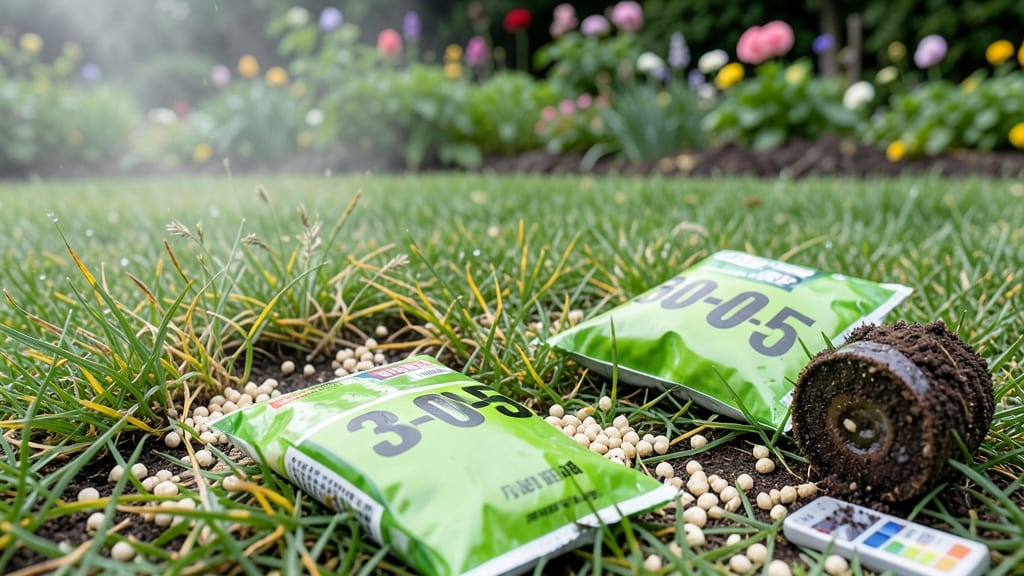
Environmental damage from over-fertilizing lawns creates severe ecological harm through nutrient runoff that fuels toxic algal blooms, creates oxygen-starved dead zones, and disrupts soil health while poisoning beneficial organisms and wildlife habitats.
When you apply more fertilizer than your lawn needs, the excess nutrients—especially nitrogen and phosphorus—don't stay put. 🌱 These chemicals wash away with rain or irrigation, traveling through storm drains straight into rivers, lakes, and coastal waters.
The problem escalates when these pollutants trigger explosive algal growth that blocks sunlight and consumes oxygen, suffocating fish and aquatic life. Even worse, the buildup of chemicals in soil kills off beneficial microbes that help plants thrive, creating a vicious cycle where your lawn becomes less resilient over time.
What makes this particularly damaging is how quickly the effects ripple outward.
A single over-fertilized lawn might seem harmless, but when millions of yards do it, the cumulative impact creates massive dead zones like the one in the Gulf of Mexico—an area larger than New Jersey where marine life can't survive. The good news?
Simple changes like soil testing, choosing slow-release organic fertilizers, and planting native grasses can dramatically cut these harmful effects while keeping your lawn lush and healthy.
💡 In This Article
- How Excess Fertilizer Pollutants Harm Aquatic Ecosystems
- Sustainable Lawn Care Alternatives to Reduce Fertilizer Overuse
How excess fertilizer pollutants harm aquatic ecosystems
When you apply synthetic fertilizers to your lawn, the nitrogen and phosphorus—key nutrients in these products—don't magically disappear.
Instead, they follow the water cycle, washing away during rainfall or irrigation. 🌧️ This runoff carries concentrated doses of nutrients into nearby water bodies, where they act like an all-you-can-eat buffet for algae.
The problem is, algae can't control their appetite—when given unlimited nutrients, they multiply explosively, creating what scientists call "harmful algal blooms" (HABs). These blooms can turn water green, brown, or even red, depending on the algae species.
The real damage happens when these blooms die and decompose. Bacteria break down the organic matter, consuming dissolved oxygen in the process.
In severe cases, oxygen levels can drop below 2-3 parts per million (ppm)—the threshold where fish and aquatic life suffocate. 🐟 The Gulf of Mexico's dead zone, spanning up to 6,000 square miles annually, is a prime example of this phenomenon, caused largely by agricultural and lawn runoff from the Mississippi River watershed.
Even small bodies of water like ponds or lakes aren't spared—studies show that a single gram of phosphorus can trigger blooms in 10,000 liters of water.
Beyond oxygen depletion, these pollutants create a cascade of ecological problems. Nitrogen runoff can lead to "eutrophication," where water bodies become overly enriched, disrupting entire food chains.
Phosphorus, meanwhile, can accumulate in sediments, creating long-term toxicity. 🌊 The chemicals also harm filter-feeding organisms like clams and mussels, which are critical to maintaining water quality.
What's worse, some algal blooms produce toxins that can contaminate drinking water supplies or harm pets and livestock that drink from affected water sources.
Synthetic fertilizers also introduce additional chemicals that don't break down easily. For instance, some contain cadmium or arsenic as impurities, which accumulate in sediments and enter the food chain. These heavy metals can persist for decades, continuing to harm ecosystems long after the initial runoff event.
The cumulative effect is a slow but steady degradation of aquatic habitats that takes years to recover from—if it ever does.
What makes this particularly insidious is how these effects compound over time.
A single application might seem harmless, but repeated overuse creates a feedback loop: more runoff leads to more algal blooms, which further deplete oxygen, making it harder for native plant and animal species to recover. 🌿 The result is a water body that becomes increasingly dominated by opportunistic species that thrive in these nutrient-rich but oxygen-poor conditions, pushing out the delicate balance of a healthy ecosystem.
The damage isn't just ecological—it's economic too. Municipalities spend millions annually on water treatment to address contamination from agricultural and lawn runoff. For example, the city of Tampa, Florida, has invested over $100 million in upgrades to handle algal bloom-related water quality issues.
The costs ripple outward to fishermen, boaters, and tourism industries that rely on clean, healthy waterways.
Understanding this process helps explain why even small changes in lawn care practices can have outsized environmental benefits. When you reduce fertilizer use, you're not just helping your lawn—you're protecting the entire watershed ecosystem that depends on clean water. 💧