
Lawn
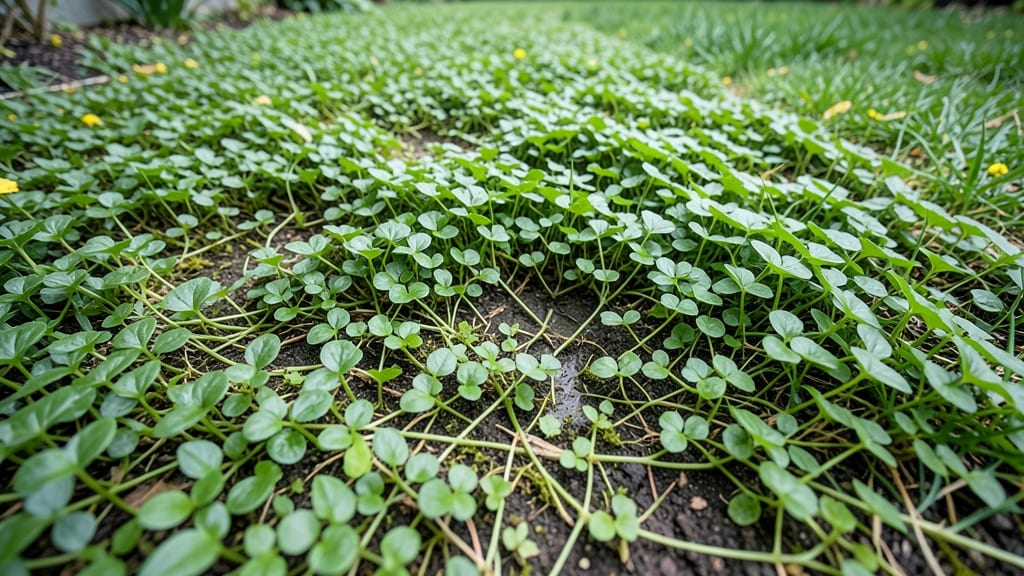
Struggling to identify those lush, fern-like intruders crowding your lawn? These 10 common weeds mimic desirable ferns but thrive aggressively—often choking grass and spreading uncontrollably. Learn how to spot them fast and eliminate them naturally without harsh chemicals.
Cinnamon Fern Mimic: Lady Fern
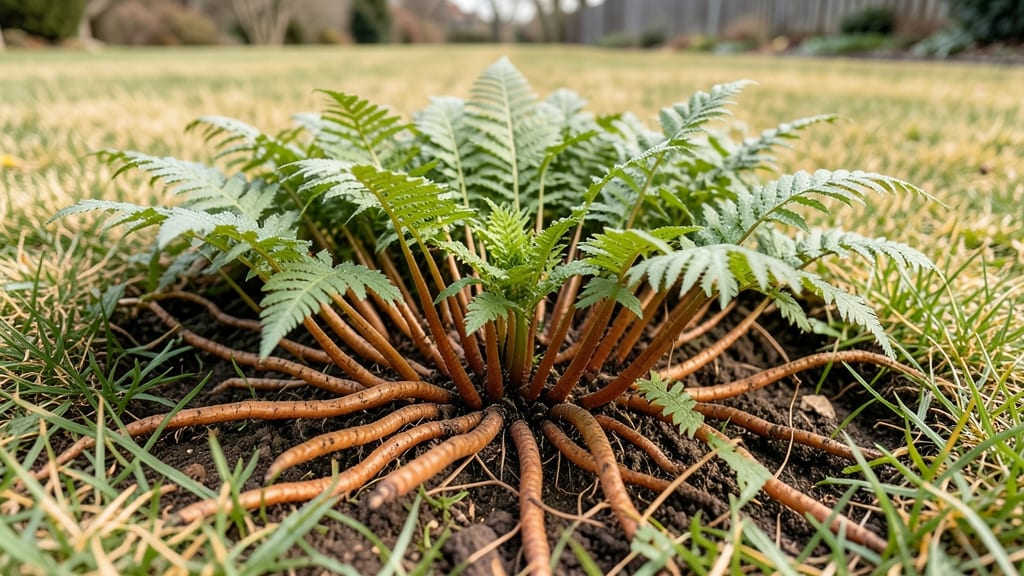
Spot those dense, leafy clumps in your lawn with cinnamon-brown stems? Chances are you’re dealing with lady fern—a fast-spreading weed that mimics ornamental ferns but multiplies aggressively. Unlike decorative ferns, lady fern sends up new fronds from its rhizomes in early spring, creating thick patches that crowd out grass.
To identify it, look for lacy, fan-shaped fronds with a slightly waxy texture and those telltale brown stems at the base. It thrives in moist, shaded areas but can also tolerate partial sun. The key to control? Pull it early in the season before it establishes deep roots, or smother it with cardboard or mulch to block sunlight. This weed is especially tricky for gardeners who love ferns but hate weeds—so act fast! 🌿
Bracken Fern Lookalike: Horsetail Weed
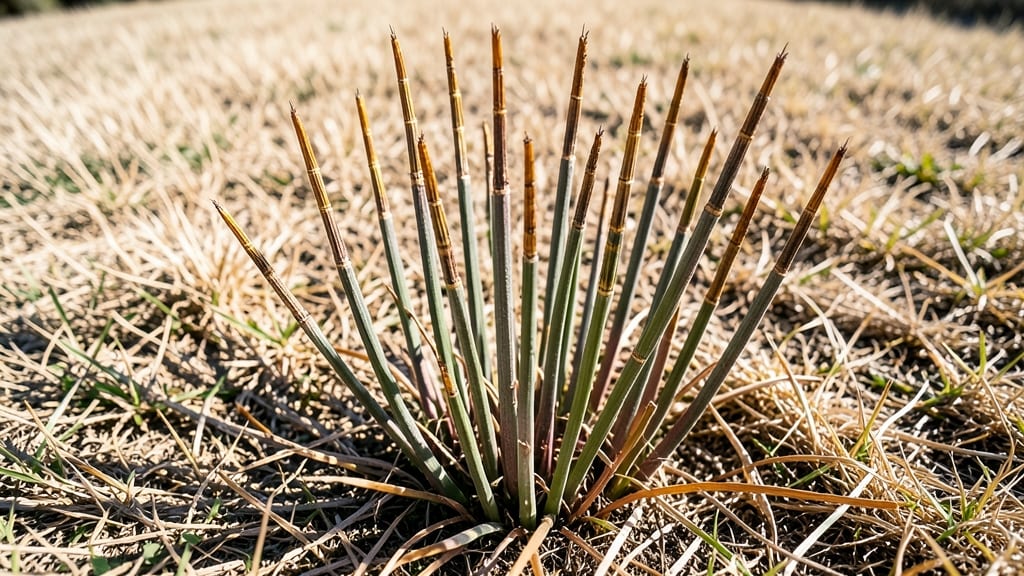
If your lawn has stiff, upright clumps that look like ferns but refuse to stay delicate, you’re likely dealing with horsetail weed—a tough, fast-spreading plant that thrives in dry, sunny spots where grass struggles. Unlike ornamental ferns, horsetail grows in rigid, segmented stems that turn golden-brown as they mature, often outcompeting grass for water and nutrients.
This weed thrives in poorly drained or compacted soil, making it a common nuisance in lawns with low organic matter. Pulling it by hand is difficult because of its deep, creeping roots, but you can smother it with thick mulch or use a vinegar-based herbicide (20-30% acetic acid) for spot treatment. For prevention, aerate your lawn annually to improve soil health and reduce its dominance.
Horsetail is especially problematic for gardeners in dry climates or areas with sandy soil, where it spreads aggressively. If you’re dealing with bare patches or struggling grass, this weed could be the culprit—act fast to reclaim your lawn! 🌻
Maidenhair Fern Imposter: Narrowleaf Plantain
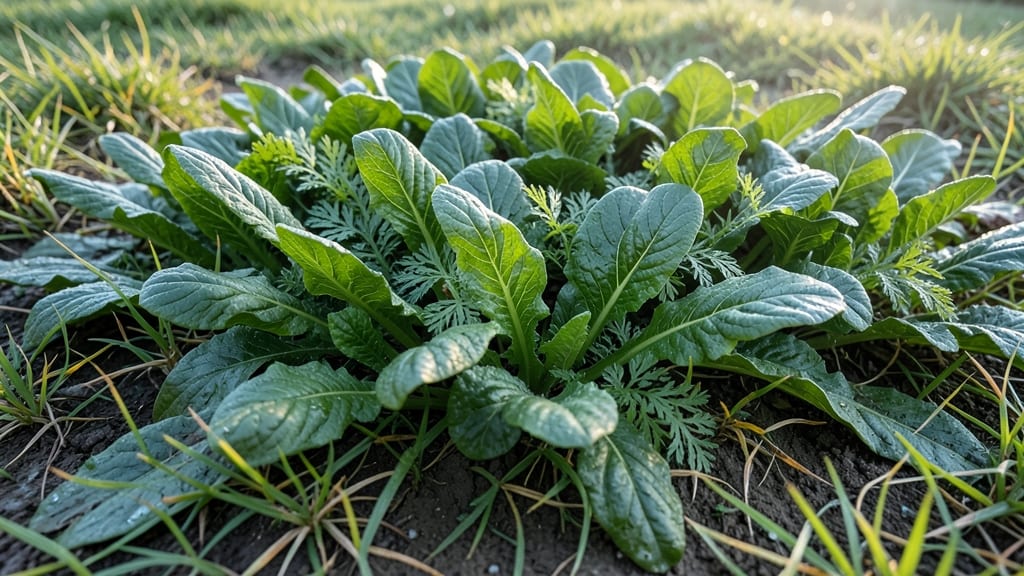
That delicate, feathery fern you’re admiring might actually be narrowleaf plantain—a sneaky weed with thick, ribbed leaves that mimic maidenhair ferns but crowd out grass instead. Unlike its ornamental cousins, this weed thrives in compacted or wet lawns, forming dense patches that resist mowing and outcompete grassroots.
Here’s how to spot it: Look for long, lance-shaped leaves with visible ribs and serrated edges, often growing in tight clusters. Unlike true ferns, narrowleaf plantain lacks delicate fronds and instead produces small, inconspicuous flowers on stalks in late summer. To remove it, pull young plants by hand or use a vinegar-based herbicide (3% acetic acid) for established patches—just avoid spraying on grass.
This weed is especially stubborn in shady, poorly drained lawns, making it a common nuisance for homeowners with heavy clay soil or frequent foot traffic. If you’ve got a lawn that stays damp or gets compacted from play, narrowleaf plantain is likely the culprit. 🌱
Ostrich Fern Double: Broadleaf Plantain
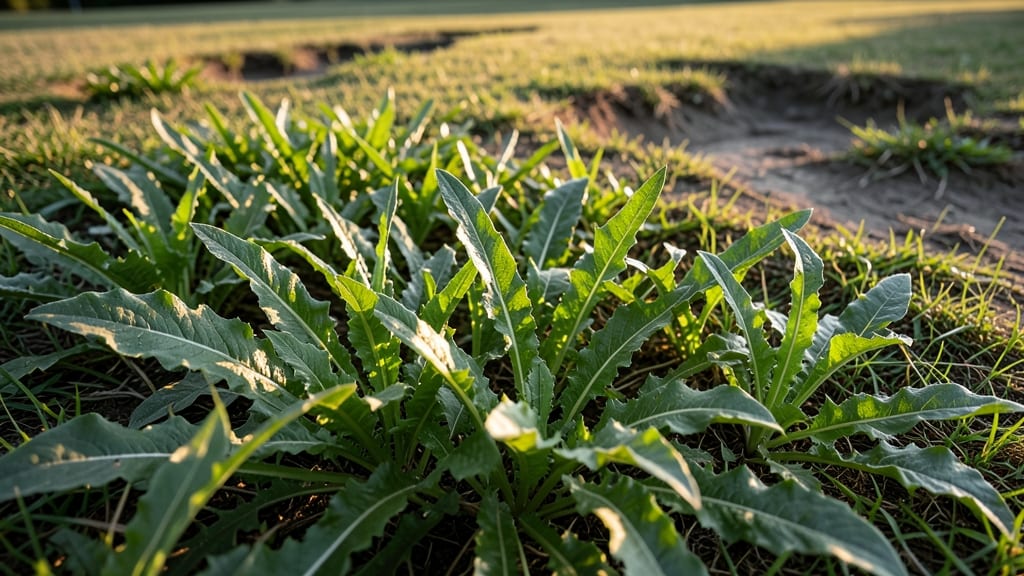
If your lawn’s bare spots or footprints are suddenly filled with lush, fern-like growth, you’re likely dealing with broadleaf plantain—a weed that mimics ornamental ostrich ferns but thrives where grass struggles. Unlike delicate ferns, this weed loves high-traffic areas, filling in gaps with its thick, velvety leaves.
Identify it by its wide, oval leaves with parallel veins and a slightly ribbed texture. It spreads via seeds and forms dense patches that crowd out grass, especially in compacted or disturbed soil. The good news? It’s shallow-rooted, making it easier to pull by hand or smother with mulch. For stubborn patches, spot-treat with vinegar or corn gluten meal in early spring.
This weed is a common nuisance for homeowners with pet-friendly lawns or high-use areas like patios, as it’s tough to eradicate once established. Early action is key—don’t let it take over before your grass has a chance to recover! 💪
Japanese Painted Fern Lookalike: Creeping Charlie
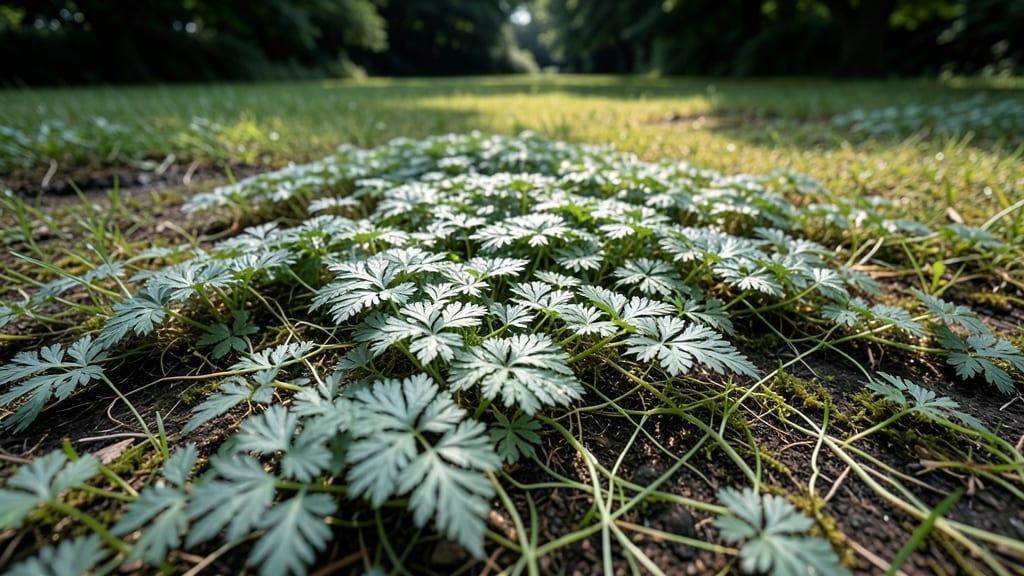
If your shady lawn is covered in dense, silvery-green mats that look like delicate ferns but refuse to stay contained, you’re likely dealing with Creeping Charlie. This persistent weed mimics the elegant look of Japanese painted ferns but spreads aggressively through underground runners, smothering grass and other plants in its path.
To identify it, flip over the leaves—you’ll spot the telltale silvery undersides, a dead giveaway. Unlike ornamental ferns, Creeping Charlie thrives in shady, moist conditions and forms thick, carpet-like patches that outcompete grass. The best time to tackle it is in early spring or fall, when the soil is moist but not waterlogged, making it easier to pull by hand or smother with thick mulch.
This weed is especially tricky for homeowners with wooded lawns or shaded yards, where it can quickly take over. The key to control? Consistency—repeat treatments every few weeks until the lawn reclaims its space. 🌿
Holly Fern Imposter: Wild Ginger
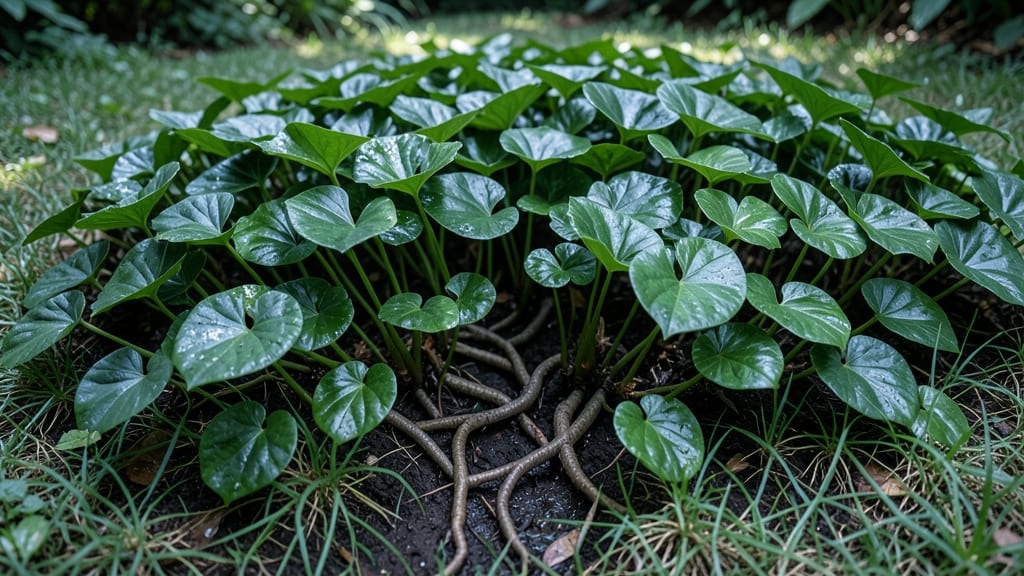
If your lawn has glossy, heart-shaped leaves that look like a fern but refuse to stay contained, you’re likely dealing with wild ginger—a sneaky ground cover that thrives in damp, shaded spots. Unlike ornamental ferns, wild ginger spreads via underground rhizomes, forming dense mats that smother grass and other plants.
This fern-like weed thrives in moist, shaded lawns where grass struggles, often appearing in late spring with its distinctive heart-shaped leaves that feel slightly leathery. The key identifier? Its aromatic scent when crushed—a spicy, ginger-like fragrance that sets it apart from true ferns. Pulling it by hand works for small patches, but larger infestations may require a vinegar-based herbicide or smothering with cardboard for 4-6 weeks.
Wild ginger is particularly stubborn in wooded lawns or areas with poor drainage, making it a favorite of gardeners with shady spots. If you’ve got a damp corner where grass won’t grow, this is likely your culprit—and the sooner you tackle it, the easier it is to reclaim your lawn. 🌿
Lace Fern Double: Common Sorrel
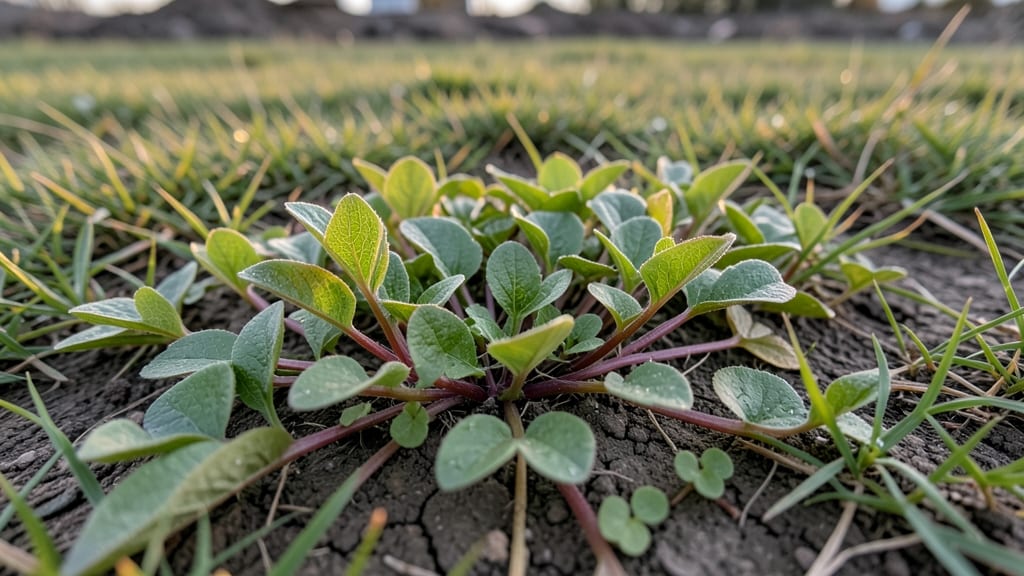
That delicate, fern-like foliage creeping into your lawn might actually be common sorrel, a weed that mimics ornamental ferns with its arrow-shaped, pointed leaves. Unlike true ferns, sorrel thrives in acidic or disturbed soil, often popping up after construction or heavy foot traffic where grass struggles to recover.
This weed spreads quickly through both seeds and underground runners, forming dense patches that outcompete grass. Look for its bright green, slightly succulent leaves with a tangy taste (a dead giveaway if you’ve ever nibbled on it!). It’s especially aggressive in shady, moist areas where lawns are thin or patchy.
Gardeners with acidic soil or those recovering lawns after disturbances should watch for sorrel’s rapid spread. Pull young plants by hand or smother established patches with thick mulch to starve it out naturally. 🌱
Bird’s Nest Fern Lookalike: Wood Sorrel
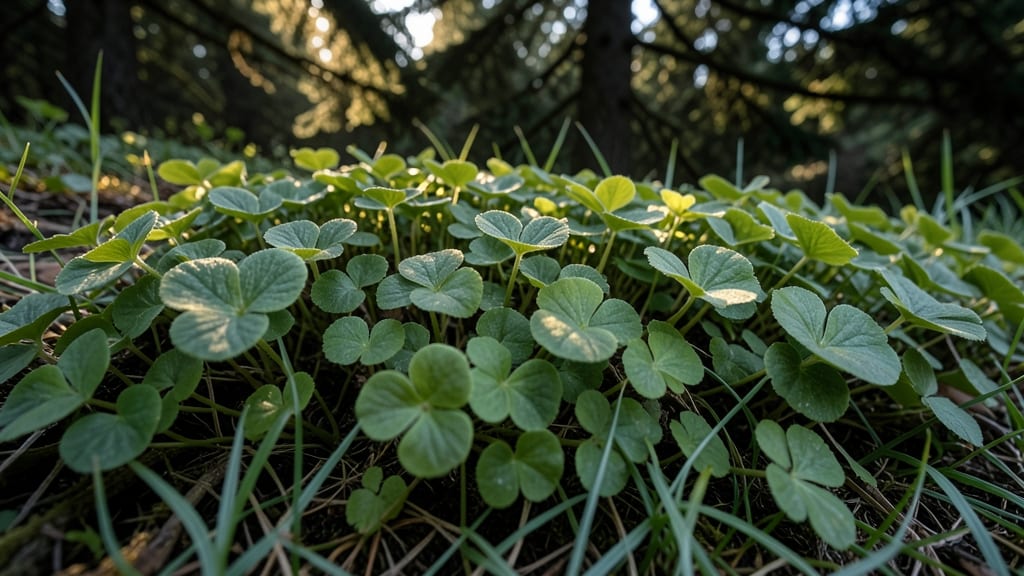
If your shady lawn has clusters of delicate, three-leafed plants that look like tiny ferns but spread like weeds, you’re likely dealing with wood sorrel. This charming imposter thrives where most lawns struggle—under tree canopies and in low-light conditions—making it a sneaky competitor for grass.
Wood sorrel’s clover-like leaves and bright green color fool many into thinking it’s ornamental, but its rapid spread and shallow roots smother grass. The key identifier? Its yellow flowers in spring and the slightly tangy taste of its leaves (a dead giveaway if you’re curious!). Pull it early in the season before it develops deep roots, or smother it with thick mulch to starve out new growth.
This weed is especially tricky for gardeners with wooded lawns or shaded areas where sunlight barely reaches. If you’ve got patches of this lookalike, act fast—it’s far more persistent than it appears. 💚
Sword Fern Imposter: Yellow Nutsedge
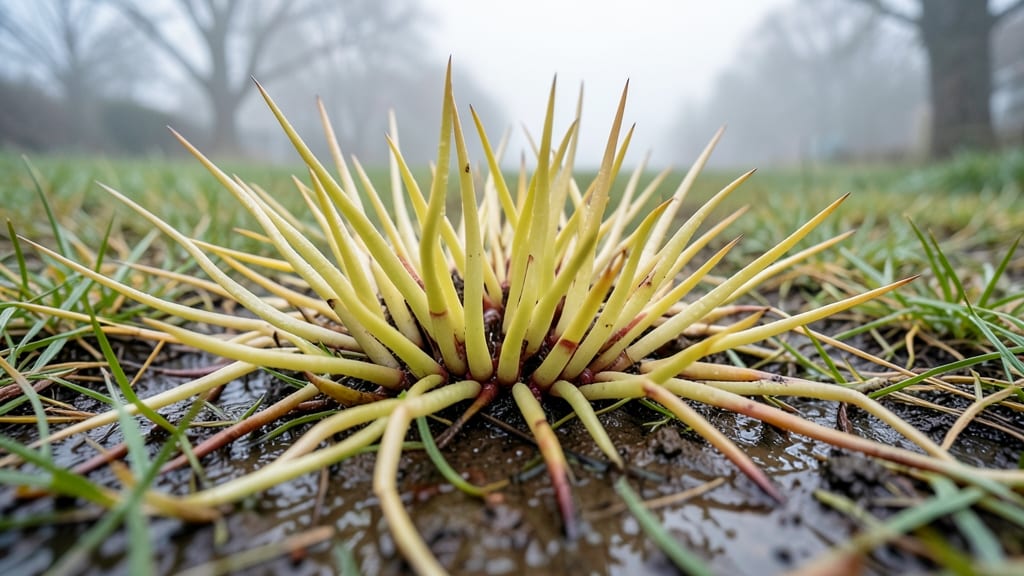
That fern-like weed with triangular stems growing in your soggy lawn isn’t a fern at all—it’s yellow nutsedge, a cunning imposter that spreads faster than you can say "lawn care." Unlike delicate ferns, this weed thrives in wet or poorly drained areas, forming dense clumps that smother grass roots.
Yellow nutsedge produces nut-like tubers underground, which means even a tiny piece left behind can sprout into a full-blown infestation. The key to spotting it? Look for tall, grass-like stems with a three-sided (triangular) shape—unlike the rounded stems of true ferns. For removal, dig out the entire plant (including those tubers) or smother it with thick mulch to starve it of light.
This weed is especially tricky for gardeners with low-lying or poorly drained lawns, where it takes over like a green carpet. The good news? Once you learn its tricks, you can outsmart it before it chokes your grass. 💪
Maidenhair Spleenwort Double: Ground Ivy

If your lawn has mysterious, patchy green carpets that look like delicate ferns but refuse to stay put, you’re likely dealing with ground ivy—a sneaky spreader that mimics maidenhair spleenwort but multiplies via underground runners. Unlike ornamental ferns, this weed forms dense, creeping mats that smother grass and leave behind bald spots when removed.
The key to spotting it? Look for small, rounded leaves arranged in square-stemmed clusters (a dead giveaway!) and its preference for moist, shaded areas. It thrives in partial shade and spreads aggressively, making it a top contender for lawns with uneven sunlight. Pull it early in spring before runners establish deep roots, or smother patches with thick mulch or cardboard to starve it out.
This weed is especially tricky for homeowners with shaded lawns or wooded edges—it’s the perfect disguise for a plant that’ll take over if ignored. 💚