
Lawn
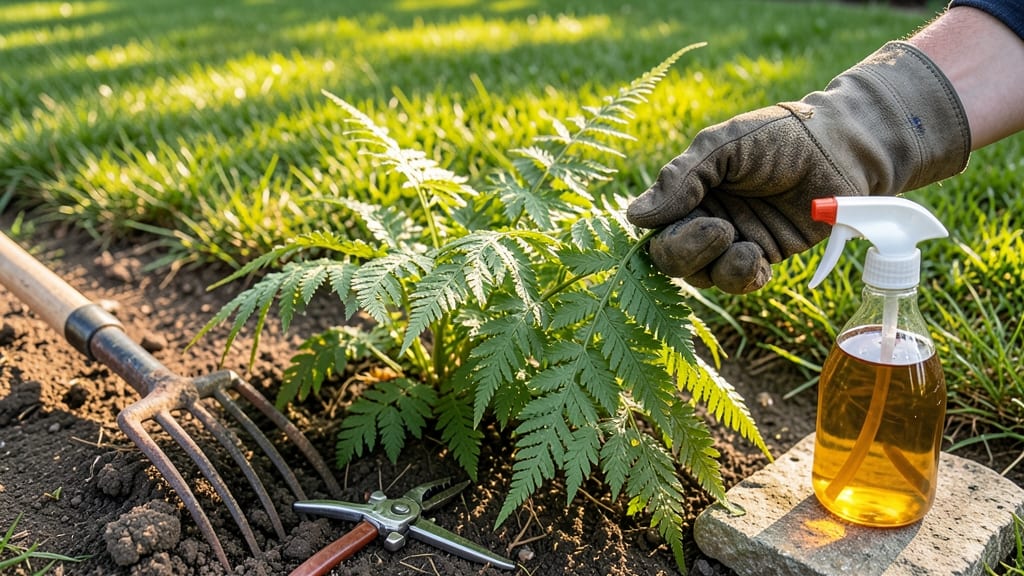
Fern weeds creeping into your lawn aren’t just unsightly—they’re stealing sunlight and nutrients from your grass. 🌿 I’ve battled these tough, leafy invaders in my own yard, and I’ll show you how to reclaim your lawn in just three steps without resorting to harsh chemicals.
The problem starts when ferns spread from nearby wooded areas or garden beds, thriving where grass struggles. They’re not just weeds—they’re opportunists that multiply fast, leaving behind a patchy, uneven lawn. But here’s the good news: they’re shallow-rooted and respond well to targeted removal.
You’ll learn how to spot them early, pull them out before they spread, and restore your grass to a lush, uniform green. The key is timing—spring and fall are your best windows for action, when ferns are most vulnerable. Let’s get your lawn back to its full potential.
First, identify the ferns by their delicate, feather-like fronds and lack of flowers or seeds. They often grow in clusters and feel slightly leathery to the touch.
Once you’ve confirmed they’re ferns (not beneficial ground covers like creeping Charlie), you can tackle them with a mix of manual removal and natural suppression. For organic control, smother the area with thick cardboard or landscape fabric for a few weeks to starve out the roots.
In stubborn cases, a spot treatment of vinegar or corn gluten meal can help prevent regrowth. The goal is to weaken the ferns so your grass can take over—no need for heavy-duty herbicides.
After removal, overseed the bare spots with a shade-tolerant grass mix and keep the area moist until new growth appears. Within a few weeks, your lawn will fill in smoothly, and those fern patches will be nothing but a memory.
The secret? Consistency—check for new fronds regularly, especially after rain, when ferns spread fastest.
If your lawn is already heavily infested or the ferns keep coming back, it might be time to call in a pro. But for most cases, these steps will give you the spotless, healthy lawn you’re dreaming of. No more hiding those patchy corners—just vibrant grass that’s all yours.
Root Causes Of Unwanted Fern Growth
Fern weed—those delicate, feathery intruders—don’t just appear out of nowhere. They thrive in lawns due to specific conditions that favor their growth over grass. Understanding these triggers is the first step to reclaiming your yard. Let’s break down the why behind their persistence.
Fern weed loves shade. Unlike grass, which struggles in low light, ferns thrive in dappled sunlight or deep shade, where they outcompete turfgrass. Here’s why:
- Photosynthesis efficiency: Ferns have adapted to low-light environments by developing broad, thin fronds that maximize light absorption. Grass, however, relies on direct sunlight for energy, making it weak and sparse in shaded areas.
- Competitive advantage: In shady spots, grass often thins out, leaving bare soil or moss. Fern spores land in these gaps and germinate quickly, filling the void before grass can recover.
- Soil moisture retention: Shaded areas stay damp longer, creating ideal conditions for fern spores to sprout and spread. Grass, in contrast, requires good air circulation to prevent fungal issues.
Actionable fix: If your lawn has heavy shade, consider shade-tolerant grass varieties like fine fescue or creeping red fescue. Alternatively, thin out dense tree canopies or prune branches to allow more sunlight to reach the ground.
Fern weed adores moisture. While grass needs consistent watering, ferns take advantage of overly wet or poorly drained soil. Here’s the science:
- Spores thrive in moisture: Fern spores require high humidity to germinate. If your lawn stays soggy after rain or irrigation, spores land and sprout rapidly.
- Root competition: Grass roots need oxygen-rich soil to thrive. In waterlogged conditions, grass roots suffocate, while fern roots adapt to anaerobic (low-oxygen) environments.
- Organic matter buildup: Wet soil often accumulates decomposing leaves, grass clippings, or thatch, creating a nutrient-rich layer that ferns exploit. Grass, however, chokes in thick thatch layers.
Actionable fix: Test your soil’s drainage by digging a 12-inch hole and filling it with water. If it drains slowly (more than 6 hours), amend the soil with sand or organic matter to improve aeration. Install a French drain or swales if your yard has chronic water pooling.
Fern weed often invades lawns with acidic soil (pH below 6.0) or imbalanced nutrients. Here’s how it happens:
- pH preference: Ferns prefer slightly acidic to neutral soil (pH 5.5–7.0), while many turfgrasses (like Kentucky bluegrass) thrive in slightly alkaline conditions (pH 6.5–7.5). If your soil is too acidic, grass weakens while ferns flourish.
- Nitrogen vs. phosphorus: Ferns favor soils high in phosphorus but low in nitrogen. If your lawn fertilizer is heavy on nitrogen (for green grass) but lacks phosphorus, ferns will dominate.
- Decomposing organic matter: Fallen leaves, pine needles, or compost piles lower soil pH over time, creating pockets where ferns sprout.
Actionable fix: Test your soil’s pH with a home kit or send a sample to a local extension office. If the pH is below 6.0, apply pelletized lime to raise it gradually. Avoid high-phosphorus fertilizers; opt for a balanced 10-10-10 or 16-4-8 formula instead.
Pro tip: 💡 Combine fixes for best results. For example, improving drainage (H3: Poor Drainage) while adjusting pH (H3: High Acidity) will weaken ferns’ grip on your lawn faster than tackling one issue alone.
Banish Stubborn Lawn Invaders
Fern weed in your lawn isn’t just an eyesore—it’s a sneaky competitor for nutrients and space. But don’t worry! With the right approach, you can reclaim your grass in just a few steps.
Below, we’ve mapped out practical fixes based on the root cause of your fern weed problem, plus prevention tips to keep it from creeping back.
If your lawn is sparse or struggling, fern weed thrives in the gaps. The solution? Strengthen your grass first.
#### 🌱 Step 1: Aerate & Overseed (Spring or Fall)Fern weed loves compacted soil. Loosen the turf with a core aerator (rent one if needed) to let air, water, and nutrients reach the roots. Then, overseed with a fast-growing grass mix (like ryegrass or fescue) to fill bare spots.
- ⏰ Best time: Early morning or late afternoon to avoid heat stress.
- 💡 Pro tip: Water lightly after seeding to help germination.
Use a slow-release, nitrogen-rich fertilizer (like 24-0-4) to encourage dense grass growth. Fern weed can’t compete with a healthy, thick lawn.
- 🎯 Apply: Follow package rates—overdoing it can harm grass.
- ✨ Bonus: Add compost to improve soil health long-term.
Fern weed often takes over shady areas where grass struggles. If your lawn has partial or full shade, tweak the environment to discourage it.
#### 🌳 Step 1: Thin Overhanging BranchesTrim back trees or shrubs to let at least 4–6 hours of sunlight reach the lawn daily. Even a little more light helps grass outcompete ferns.
#### 🍂 Step 2: Use Mulch StrategicallyIf shade is unavoidable, mulch nearby garden beds with wood chips or pine straw to block fern spores from spreading via wind or water.
- 💡 Pro tip: Keep mulch 2–3 inches away from the lawn edge to avoid smothering grass.
For stubborn fern weed patches, selective herbicides can help—but use them carefully to avoid damaging grass.
#### 🔪 Step 1: Choose the Right HerbicideLook for ferns-specific treatments like:
- Iron-based herbicides (e.g., Iron X or Ironite) – Safe for pets/kids after drying.
- Glyphosate (Roundup) – Kill all plants first, then reseed (use in fall for best results).
- Triclopyr (e.g., Ortho Weed B Gon) – Best for spot treatment (follow label for grass safety).
Fern weed is most vulnerable in early spring or fall when it’s actively growing. Avoid spraying if rain is forecast within 24 hours.
- 💡 Pro tip: Water the lawn first to help herbicide stick to fern leaves.
- ⚠️ Warning: Never use herbicides on wet ferns—it can spread the chemical to grass.
Once you’ve banished fern weed, lock it out with these habits:
- 🌱 Mow high: Keep grass at 3–4 inches to shade out weeds.
- 💧 Water deeply but less often: Encourages deep grass roots that crowd out ferns.
- 🧹 Remove debris: Clear fallen leaves and mulch from the lawn edge to stop spore spread.
- 🔄 Test soil yearly: pH imbalances (too acidic) invite fern weed—adjust with lime if needed.
With these steps, your lawn will go from fern-infested to lush and weed-free in no time. 🚀
Frequently asked questions
How do I tell if those leafy patches are actually fern weed?
Look for delicate, feathery fronds without flowers or seeds—fern weed lacks the broad leaves of ground covers like creeping Charlie. The fronds grow in circular clusters, and the plants feel slightly leathery. Check for tiny brown dots (spore clusters) on the undersides of leaves.
Will vinegar kill fern weed without harming my grass?
Vinegar (20-30% acetic acid) can work, but it’s risky for grass. Apply undiluted vinegar to fern fronds on a dry, sunny day—avoid windy conditions. Test a small area first, as vinegar can burn grass. For safer results, use iron-based herbicides instead.
Why do ferns keep coming back after I pull them?
Fern weed spreads via spores, not seeds, so even small root fragments can regrow. Always pull the entire plant (roots and all) or smother the area with cardboard or mulch for 4-6 weeks to starve remaining roots. Prevent future growth by improving soil drainage and sunlight.
Can I use corn gluten meal to stop fern weed?
Yes! Corn gluten meal (20 lbs per 1,000 sq ft) is a natural pre-emergent that blocks fern spores from germinating. Apply in early spring or fall when ferns are most active. It won’t kill existing ferns but prevents new growth—ideal for long-term control. Water lightly after application.